



Beyond the Static PDF
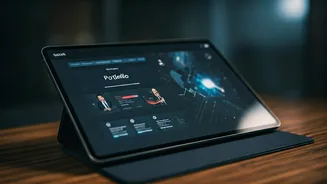
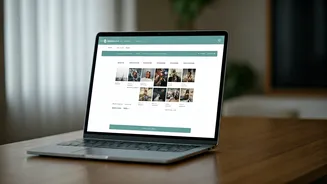
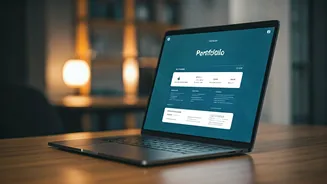
First, let's clarify what an 'interactive web-based digital portfolio' actually is. It’s not just your CV saved as a PDF and uploaded to a website. It is a living, dynamic personal website that acts as a central hub for your professional identity. Unlike
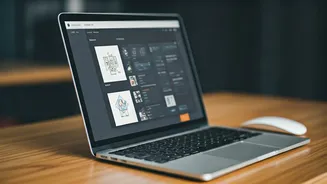
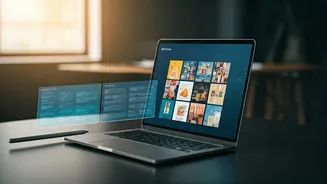
a static, two-page document, it can host a rich variety of media: high-resolution images of your design work, embedded videos of you presenting, clickable links to live projects you’ve built, or even interactive data visualisations. The key word is 'interactive'—it invites a recruiter, client, or mentor to engage with your work, not just read a list of your past responsibilities. It transforms you from a list of bullet points into a multidimensional professional whose skills can be seen and experienced in real-time.
The Power of 'Show, Don't Tell'
A traditional CV tells people what you’ve done. A digital portfolio shows them *how* you did it and proves your capabilities. This is the single biggest reason mentors champion them. For a graphic designer, it means showcasing the final logo alongside the initial sketches and explaining the design process. For a software developer, it means embedding a link to a GitHub repository and a live demo of the application. For a writer, it means presenting polished articles in a clean, readable format. This 'proof of work' is far more compelling than a line on a resume that says 'Proficient in Adobe Suite' or 'Experienced in Python.' It answers the hiring manager’s silent question: 'Can this person actually do the job?' Your portfolio provides irrefutable evidence.
A Window into Your Process and Personality
Mentors understand that companies don’t just hire skills; they hire people. A well-crafted digital portfolio offers a glimpse into your personality, your problem-solving approach, and your passion for your field. By including short case studies or project descriptions, you can narrate the story behind your work. What was the challenge? What was your thought process? What was the outcome? This storytelling element reveals crucial soft skills like critical thinking, communication, and resilience. A CV can’t convey the enthusiasm in your voice when you describe a passion project or the meticulous planning that went into a successful campaign. The portfolio makes you memorable and helps a potential employer or collaborator see if you’re a good cultural fit.
The Strategic Sharing Advantage
In a world of networking and social media, a web-based portfolio is a strategic asset. You can link to it in your email signature, your LinkedIn profile, and your social media bios. When you meet someone at a conference or connect online, you can share a single, professional link that contains everything they need to know about you. This is far more effective and professional than attaching multiple files to an email. Furthermore, a web-based portfolio is easily updatable. Finished a new project? Add it in minutes. Acquired a new skill? Create a new section to demonstrate it. This agility ensures that your professional brand is always current, reflecting your latest achievements without the hassle of redesigning a document from scratch.
Standing Out in a Crowded Market
In competitive fields across India, from tech and design to marketing and consulting, differentiation is key. When a recruiter receives hundreds of similar-looking CVs, the candidate with a polished, engaging digital portfolio immediately stands out. It signals that you are tech-savvy, proactive, and serious about your career. It shows an investment of time and effort in your personal brand, which mentors know is a powerful indicator of a committed and forward-thinking professional. Building one isn’t just about showcasing your past; it's a strategic move to secure your future, demonstrating a level of professionalism that goes far beyond the standard application.