




Before You Leave: Vehicle First
A safe trip begins before you even turn the key. A thorough vehicle check is non-negotiable. First, inspect your tyres. The treads should be deep enough to handle wet, slippery roads; bald tyres are a major risk for skidding. Ensure they are inflated
to the correct pressure. Second, check your brakes. Wet conditions increase braking distance, so ensure your brake pads have plenty of life. Third, test your wipers. They are your first line of defense against downpours that can reduce visibility to near-zero. Top up the windshield washer fluid. Finally, make sure all lights are working, especially headlights, taillights, and fog lamps, which are crucial for being seen in dense fog and heavy rain.
On the Road: Slow and Steady Wins
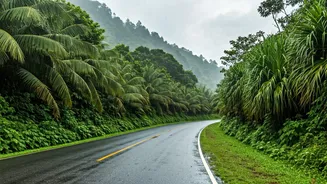
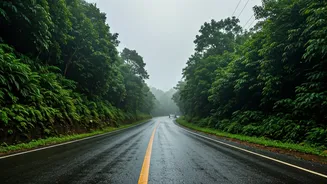
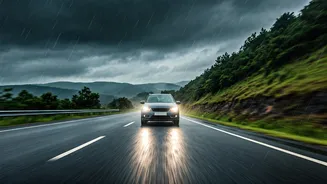
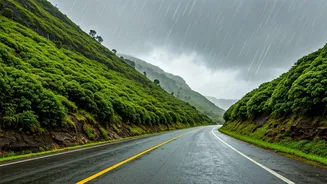
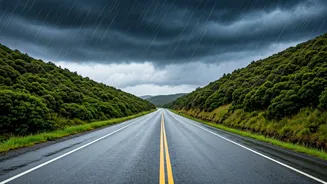
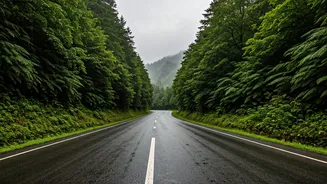
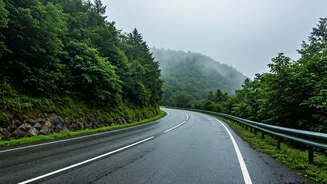
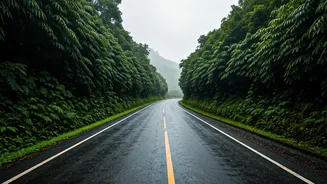
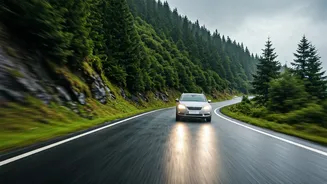
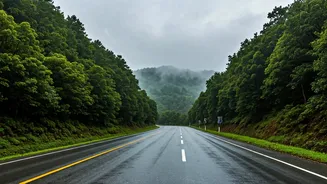
The golden rule for monsoon driving in the ghats is to slow down. Your car takes longer to stop on wet roads, and the risk of hydroplaning on puddles is high. Maintain a significantly larger distance from the vehicle in front of you. One of the biggest dangers is the dense fog that can envelop the Mumbai-Pune Expressway and the ghat sections without warning, drastically reducing visibility. Always drive with your low-beam headlights on, even during the day, to help other drivers see you. Avoid aggressive steering, braking, or accelerating, as sudden movements can cause you to lose control. Be particularly cautious on hairpin bends and blind curves; honk to announce your presence.
Navigating the Ghats: Master the Slopes
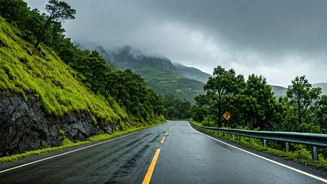
Driving on winding ghat roads requires specific techniques. When driving downhill, never coast in neutral. Instead, use a low gear (second or third) to let engine braking assist you, preventing your brakes from overheating. A crucial rule of thumb on narrow sections is to give way to traffic moving uphill, as they have the harder task and less momentum. Be patient when overtaking. Only do so on straight stretches where you have a clear view of oncoming traffic; never on a blind curve. Be aware of the increased risk of landslides and falling rocks, especially after prolonged heavy rain. Authorities often close lanes adjacent to hillsides as a precaution.
Weather and Route Awareness
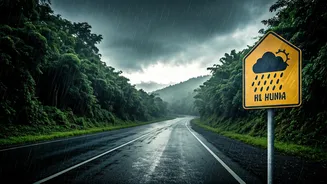
The weather in the ghats can change in minutes. Before and during your trip, check weather forecasts from reliable sources like the India Meteorological Department (IMD). Heavy rainfall warnings, often issued as yellow, orange, or red alerts, should be taken seriously. An orange or red alert may indicate the possibility of road closures, severe waterlogging, or landslides. Be flexible with your plans; if the forecast is severe, it's safer to postpone your trip. Also, check for real-time traffic updates and road closures on social media pages of local police or highway authorities before you start.
Emergency Preparedness
Even with the best planning, things can go wrong. Being prepared can make all the difference. Keep a well-stocked first-aid kit, a powerful flashlight, and a fully charged power bank for your phones. It is also wise to pack extra food and water in case you get stranded due to traffic jams or road closures. Ensure you have the numbers for roadside assistance and local emergency services saved on your phone. A waterproof bag for your electronics and documents is also a good idea. Given that mobile network can be patchy in remote areas of the ghats, it's helpful to inform someone of your itinerary and expected arrival time.
Beyond the Car: Safety at Viewpoints
The dangers don't end once you park your car. The main attractions in Lonavala and Mahabaleshwar during monsoon are the viewpoints and waterfalls, which are also high-risk areas. Basalt rock, common in the region, becomes extremely slippery when wet. Tourists have been involved in incidents by getting too close to cliff edges for selfies or venturing into fast-flowing streams. Never climb on waterfall rocks or attempt to swim in plunge pools; water levels can rise suddenly and without warning. Stick to marked paths, heed warning signs, and always wear sturdy footwear with good grip.