



The Contenders: HIIT vs. LISS
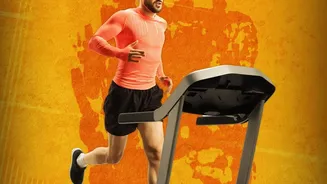
In one corner, you have High-Intensity Interval Training (HIIT), known for its explosive, short workouts. In the other, there's Low-Intensity Steady-State (LISS) cardio, a gentler, more sustained approach. HIIT involves alternating between short bursts
of all-out effort and brief recovery periods. Think 30 seconds of sprinting followed by 90 seconds of walking, repeated for 15-20 minutes. LISS, on the other hand, means maintaining a consistent, moderate pace for a longer duration, typically 30 to 60 minutes. Common LISS activities include brisk walking, light jogging, or steady cycling. Both can dramatically improve your fitness, but they cater to very different needs, especially for those of us tethered to a chair.
The Case for HIIT: Maximum Results, Minimum Time
For the time-crunched professional, HIIT is a game-changer. Its primary appeal is efficiency; you can achieve significant health benefits in sessions as short as 15 to 30 minutes. Studies have shown that these intense bursts are incredibly effective for improving cardiovascular health and boosting your metabolism. One of HIIT's most touted benefits is the 'afterburn effect,' scientifically known as excess post-exercise oxygen consumption (EPOC). This means your body continues to burn calories for hours after you've finished exercising. For desk workers, this can be a powerful tool to counteract the metabolic slowdown from prolonged sitting. Workplace studies have even found that short HIIT sessions can lead to better sleep, improved motivation, and increased energy levels throughout the workday.
The Case for LISS: Sustainable, Gentle, and Stress-Reducing
If the thought of an all-out sprint makes you want to hide under your desk, LISS might be your ideal match. This form of exercise is much gentler on the joints and less demanding on the body, making it perfect for beginners or those recovering from an injury. Because you're working at a lower intensity—around 50-65% of your maximum heart rate—it's a sustainable practice you can maintain for the long haul. For desk workers who deal with high levels of stress, a LISS session can be a form of moving meditation. The steady, rhythmic nature of activities like walking or swimming can help clear your mind, reduce anxiety, and improve your mood. Furthermore, LISS is excellent for building endurance and improving your body's ability to use fat for fuel.
How to Choose the Right Path for You
The best choice depends entirely on your goals, fitness level, and lifestyle. If your main priority is to burn the maximum number of calories in the shortest amount of time and you're comfortable with high-intensity work, HIIT is the clear winner. It's perfect for squeezing a workout into a packed schedule. However, HIIT is high-impact and carries a greater risk of injury if your form isn't correct, so it's better suited for those with some existing fitness experience. Conversely, if you're new to exercise, have joint issues, or are looking for a workout that helps you de-stress and build a solid fitness foundation, LISS is the safer and often more enjoyable option. Its main drawback is the time commitment; LISS workouts need to be longer to achieve a similar calorie burn to HIIT.
The Best of Both Worlds: A Hybrid Approach
Many fitness experts agree that you don't have to choose just one. In fact, the most well-rounded fitness plan often includes both HIIT and LISS. This strategy allows you to reap the benefits of each while minimizing their respective drawbacks. For example, you could schedule two HIIT sessions during the week for their metabolic and time-saving benefits. On other days, you could incorporate two or three LISS sessions, such as a long walk or a gentle swim, to aid in active recovery, burn fat, and manage stress. This balanced approach builds both power and endurance, making your body more resilient and adaptable.