





The Power of a World-Class Spectacle
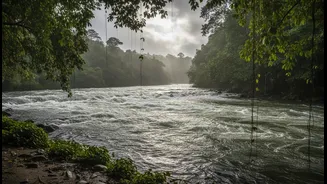
The Malabar River Festival has firmly established itself as southern India's only whitewater kayaking championship and one of the premier events of its kind in Asia. Scheduled for late July, it transforms the Chalipuzha and Iruvazhinjipuzha rivers into
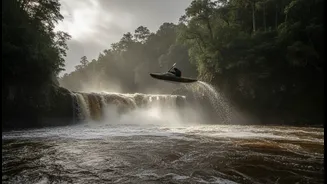
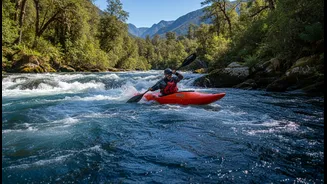
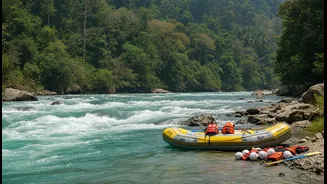
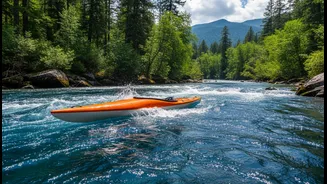
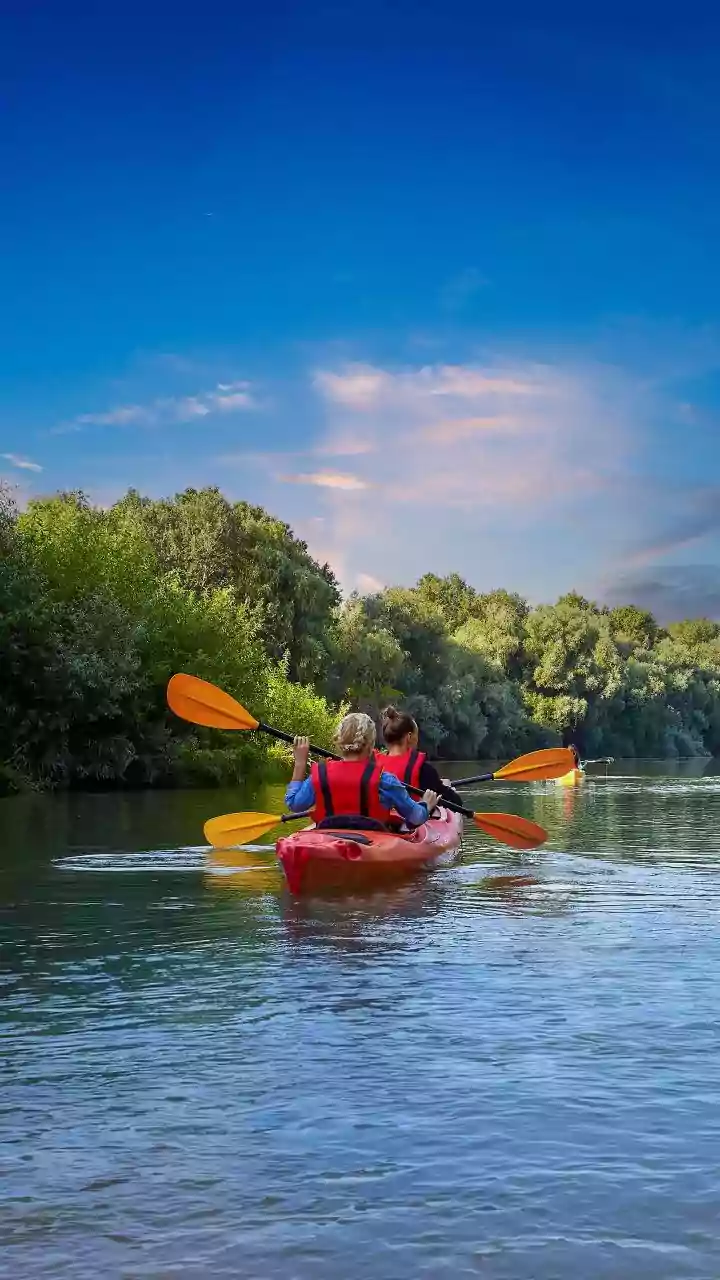
a world-class arena. Attracting elite kayakers from over 20 countries and more than 100 of India's best, the festival is a dazzling display of skill, courage, and athleticism. Spectators witness competitors navigate treacherous rapids in events like the Extreme Race and Boater Cross, vying for the coveted titles of 'Rapid Raja' and 'Rapid Rani'. This high-octane environment, set against the lush backdrop of the Western Ghats, does more than just entertain; it ignites a spark, showcasing the pinnacle of adventure sports and planting a seed of ambition in onlookers.
From Spectator to Participant
The festival's most crucial role is arguably as a gateway to the sport. Organizers have noted that a primary objective is to inspire both professional and local kayakers. When a local teenager sees an international athlete master a difficult stretch of river, the impossible suddenly seems achievable. This inspiration is a powerful catalyst for grassroots growth. The festival encourages this transition by including amateur categories and pre-event programs designed to foster wider public participation. This direct exposure is invaluable. It’s one thing to read about kayaking; it’s another entirely to feel the spray of the river and hear the roar of the crowd. This experience demystifies the sport and creates a tangible entry point for curiosity to turn into passion, encouraging many to seek out their first lesson.
The Sobering Reality of Whitewater
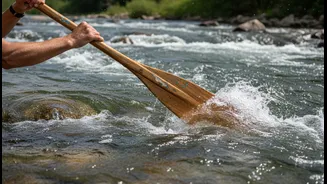
However, the thrill of the festival can mask the serious nature of whitewater kayaking. It is an inherently high-risk activity that demands respect, skill, and extensive training. Across India, the adventure sports sector has faced challenges with inconsistent safety standards, sometimes leading to tragic accidents. While festival organizers provide technical support and ensure international safety standards during the event, the skills on display are the result of thousands of hours of dedicated practice. Watching a professional execute a flawless run is not a substitute for learning foundational safety techniques, such as how to perform an Eskimo roll, read river currents, and handle unexpected capsizes. The danger is that raw enthusiasm, without proper guidance, can lead to overconfidence and put newcomers in hazardous situations on the water.
The Bridge Between Inspiration and Skill
This is where the argument for proper training becomes critical. The inspiration generated by the Malabar Festival must be channeled into a structured and safe learning pathway. Formal training, provided by certified instructors, is non-negotiable. Organizations like the Adventure Tour Operators Association of India (ATOAI) have developed safety guidelines for a reason. Proper instruction covers essential skills, equipment knowledge, and emergency procedures that are vital for a kayaker's safety. The festival itself acknowledges this by separating professionals from amateurs and offering kayak training sessions. For the sport to grow sustainably, India needs more than just exciting annual events; it needs a robust ecosystem of training schools and certified guides who can turn inspired novices into competent, safety-conscious paddlers.
Building a Lasting Legacy
The Malabar River Festival should not be seen as an end in itself, but as the annual heartbeat of a thriving watersports culture. Its success creates a powerful incentive to develop the infrastructure needed for year-round training and engagement. By leveraging the festival's international profile, state and local bodies can promote the development of permanent kayaking schools, standardize guide certifications, and ensure that safety protocols are enforced nationally, not just during high-profile events. The festival's legacy shouldn't just be the champions it crowns, but the community it builds. It is a celebration that can and should coexist with the methodical, unglamorous work of training. One provides the dream, the other provides the tools to chase it safely.