


What Exactly Is a Meteor Shower?
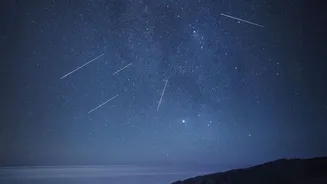
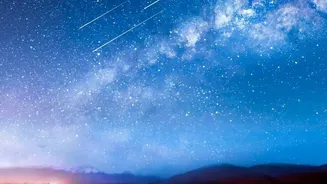
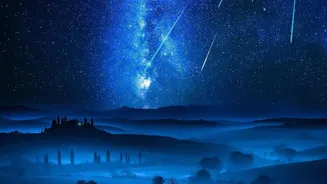
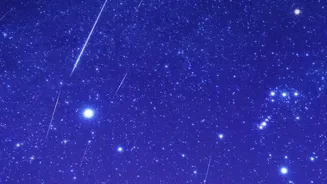
Often called 'shooting stars', meteors are not actually stars at all. They are tiny bits of space debris, often no bigger than a grain of sand, left behind by comets. As Earth orbits the Sun, it sometimes passes through these dusty trails. When these particles,
called meteoroids, hit our atmosphere at incredible speeds, they burn up due to friction, creating the brilliant streaks of light we see from the ground. The Perseid shower is created by debris from Comet Swift-Tuttle, while the Orionids are born from the famous Halley's Comet.
When and How to Watch in 2026
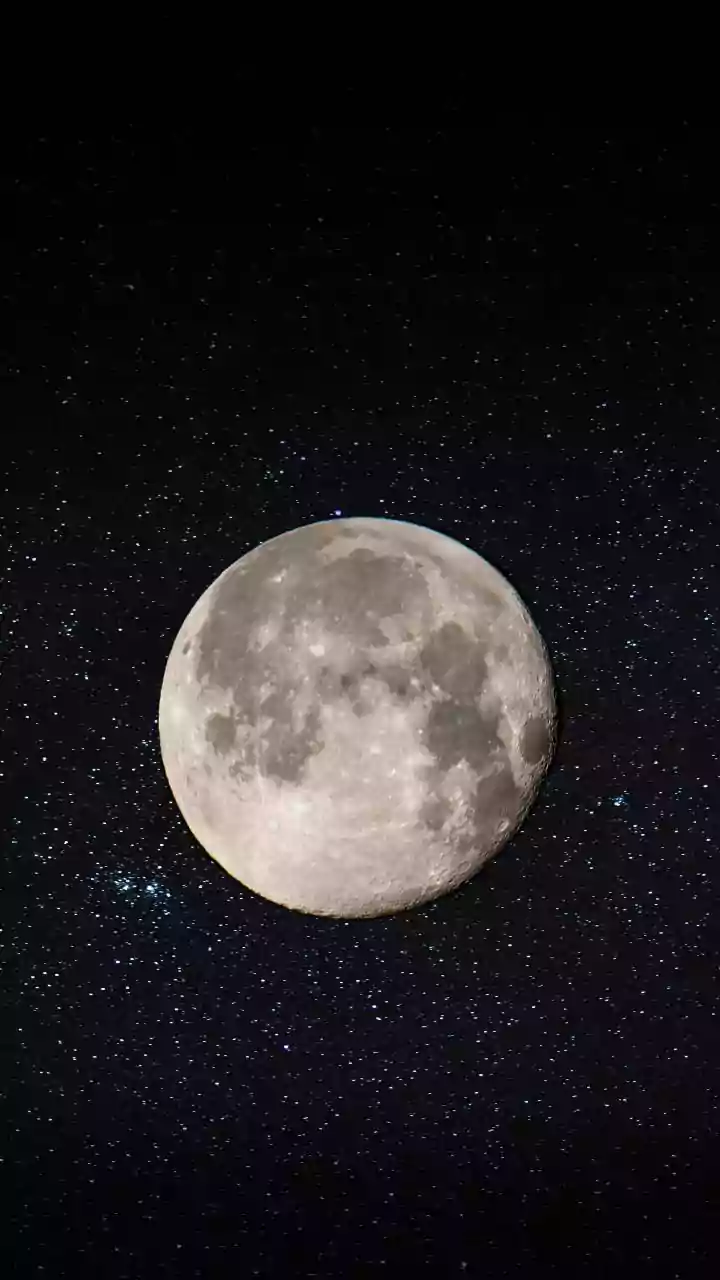
The Perseid meteor shower peaked on the nights of August 12-13, 2026. This year was particularly special because the peak coincided with a New Moon, creating ideal dark-sky conditions for viewing the up to 100 meteors per hour visible under perfect conditions. For those who missed it, the next major event is the Orionid meteor shower, which peaks on the night of October 21-22, 2026. The Orionids are best viewed in the hours before dawn, after midnight. Although the moon will be a waxing gibbous, it sets in the early morning, leaving a window of dark sky for observers. During its peak, you can expect to see around 15 to 25 meteors per hour in a dark location. No special equipment is needed; in fact, meteor showers are best viewed with the naked eye.
The Key: Escaping the City Glow
The single most important factor for a successful meteor shower viewing is getting away from urban light pollution. City lights wash out the night sky, making it impossible to see all but the brightest meteors. To truly experience the spectacle, you need to travel to a 'non-metro' location where the sky is dark. These spots allow your eyes to adapt, revealing thousands more stars and the faint streaks of meteors you would otherwise miss. The difference between watching from a city balcony versus a remote, dark location is, quite literally, night and day.
India's Premier Dark-Sky Havens
India is blessed with several locations perfect for stargazing. The Hanle Dark Sky Reserve in Ladakh is considered the best, boasting some of the darkest skies in Asia at an altitude of 4,500 metres. Other prime spots in the Himalayas include Spiti Valley in Himachal Pradesh, known for its clear, high-altitude desert skies. For those in other parts of the country, the Rann of Kutch in Gujarat offers a stunning, unobstructed 360-degree horizon against a white salt desert. The Thar Desert near Jaisalmer, Rajasthan, provides one of the most accessible dark-sky experiences. In the south, Coorg in Karnataka is a practical option for escaping city lights.
Simple Tips for a Memorable Night
To make the most of your stargazing trip, a little preparation goes a long way. First, be patient. It takes about 20 to 30 minutes for your eyes to fully adjust to the darkness, so avoid looking at your bright phone screen. Find a comfortable spot with a wide, open view of the sky, lie back on a blanket or reclining chair, and simply look up. Meteors can appear anywhere, not just near their radiant point (the constellation they are named after). Dress warmly, as even summer nights can get chilly, especially at higher altitudes. Finally, don't forget to just enjoy the moment; the experience of watching the universe put on a show is a reward in itself.