




The Deluge Descends Again
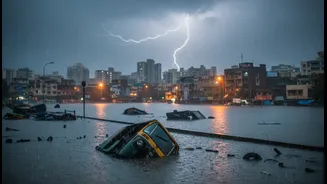
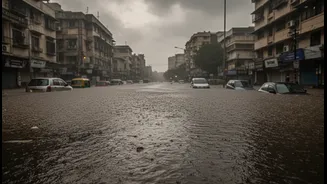
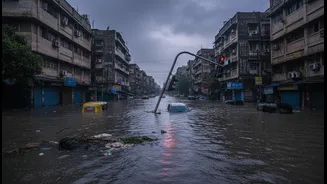
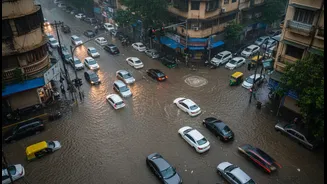
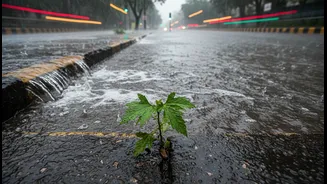
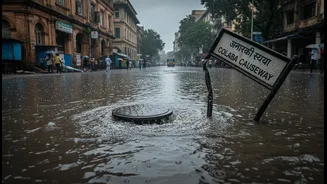
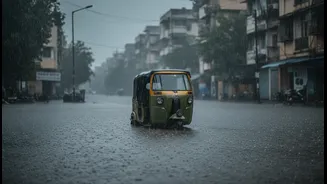
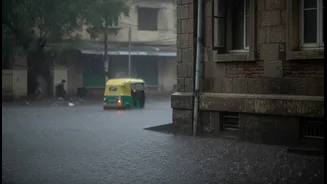
This year's monsoon arrived with exceptional intensity, with Mumbai receiving a significant portion of its seasonal average rainfall in just the first few weeks. Recent days have seen relentless downpours trigger severe waterlogging across the city and
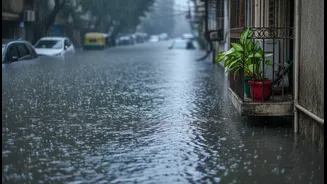
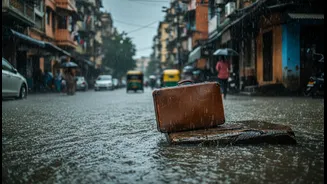
its suburbs, turning major roads into rivers and inundating low-lying neighbourhoods. Areas like Andheri, Sion, and the Vasai-Virar region have been particularly hard-hit, with water entering homes and disrupting daily life. The scenes are a stark reminder of the city's vulnerability, as even brief, intense spells of rain can bring the bustling metropolis to a standstill. The India Meteorological Department (IMD) has issued repeated alerts, urging citizens to exercise caution amidst forecasts of continued heavy rainfall.
A Commuter's Nightmare
For millions, the monsoon turns the daily commute into a gruelling test of endurance. Mumbai's local train network, the city's lifeline, has faced significant disruptions. Services on the Western, Central, and Harbour lines have been running with delays of 25-30 minutes, and in some cases, have been suspended entirely. Recent heavy rains in the Vasai-Virar belt left thousands of commuters stranded overnight, forcing many to walk along flooded railway tracks or pay exorbitant prices for tractor rides to get home. The situation is compounded by landslides disrupting long-distance train routes and waterlogged roads causing massive traffic jams, highlighting the fragility of the city's transport infrastructure.
The Renter's Precarious Position
Beyond the visible chaos on the streets, a quieter crisis unfolds inside many of Mumbai's rented homes. For tenants, the monsoon brings a unique set of anxieties. Many live in older, poorly maintained buildings, including thousands of cessed structures that are decades old. The season exacerbates pre-existing issues, leading to persistent leaks, seepage, and mould. Fights over who bears the cost of repairs—the tenant, the landlord, or the housing society—are a recurring source of conflict. In more extreme cases, residents of dilapidated buildings face the terrifying risk of structural collapse, a danger that has claimed lives in past monsoons. Trapped between soaring rents and the fear of losing their tenancy rights if they vacate, many families are forced to risk their safety in unsafe homes year after year.
An Annual Ritual of Unpreparedness?
Every year, questions are raised about the city's monsoon preparedness. The Brihanmumbai Municipal Corporation (BMC) undertakes pre-monsoon work, including desilting drains and installing dewatering pumps. However, this year has again exposed gaps in execution. The BMC itself admitted to shortcomings in the micro-level monitoring of manholes, with reports indicating that thousands of manholes were yet to be fitted with protective grills past the official deadline. Critics point to rapid, unchecked urbanisation, which has replaced open ground with concrete, overwhelming drainage systems that were designed for a much smaller city. While officials conduct reviews and promise improvements, for the average citizen stuck in a flood, these assurances ring hollow.
Resilience in the Face of Resignation
The phrase "spirit of Mumbai" is often invoked to describe the city's ability to bounce back from adversity. Mumbaikars are known for their resilience, helping strangers and finding ingenious ways to navigate the monsoon chaos. Yet, a growing sense of fatigue is palpable. Many residents question whether this celebrated resilience has become an excuse for systemic failures. The annual disruptions are not just an inconvenience; they have a real economic and human cost. The conversation is slowly shifting from merely coping with the monsoon to demanding long-term solutions, better urban planning, and accountability from authorities to ensure that survival is not mistaken for progress.