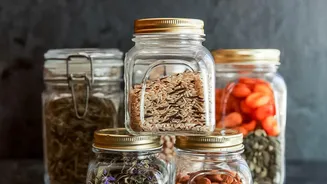





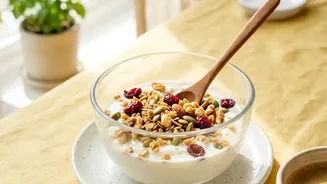
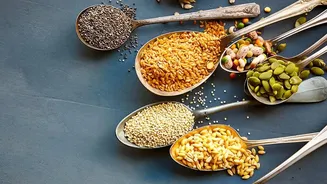
Managing diabetes often starts in the kitchen. A well-stocked pantry can be your greatest ally, and some of the smallest items can have the biggest impact. Tiny but mighty seeds are nutritional powerhouses that can help with blood sugar control.
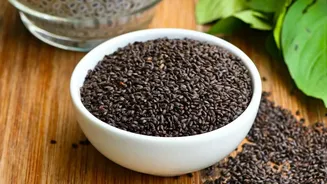
1. Chia Seeds: The Fibre All-Star
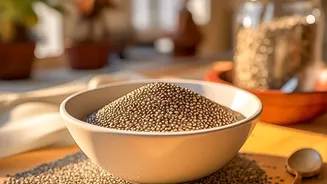
These
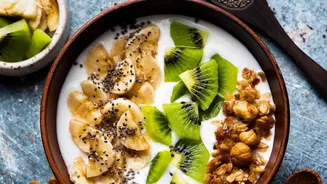
tiny black seeds are celebrated for good reason. Chia seeds are incredibly rich in soluble fibre, which is a game-changer for blood sugar management. When mixed with liquid, they form a gel-like substance in your stomach. This process slows down digestion and the rate at which sugar is absorbed into the bloodstream, helping to prevent sharp post-meal spikes. A single serving packs a significant amount of fibre, protein, and omega-3 fatty acids, all while having a very low glycemic index. Studies suggest regular consumption can improve insulin sensitivity and even reduce inflammatory markers. Beyond blood sugar, their high magnesium content also supports metabolic health, as the mineral is vital for insulin function. To use them, simply soak a tablespoon in water to add to smoothies, mix them into yoghurt, or create a simple chia pudding for a filling breakfast.
2. Flax Seeds: The Lignan Powerhouse
Flax seeds, or 'Alsi' as they are commonly known in India, are another fantastic pantry staple. Their main strength lies in their high content of fibre, alpha-linolenic acid (a plant-based omega-3), and unique compounds called lignans. Like chia seeds, the soluble fibre in ground flax seeds slows down carbohydrate absorption, leading to a more gradual rise in blood glucose levels. Research indicates that daily intake of ground flax seeds can modestly lower fasting blood sugar and improve insulin sensitivity. The lignans have antioxidant properties that may help reduce the inflammation and insulin resistance associated with type 2 diabetes. For the best nutritional benefit, it's recommended to consume flax seeds in their ground form, as the whole seeds can pass through the digestive system undigested. Sprinkle ground flaxseed over oatmeal, blend it into smoothies, or mix it into the dough for chapatis.
3. Pumpkin Seeds: The Magnesium Boost
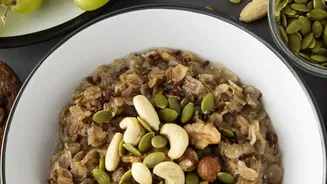
Often discarded during vegetable prep, pumpkin seeds ('kaddu ke beej') are a treasure trove of nutrients beneficial for diabetes management. They are one of the best natural sources of magnesium, a mineral that plays a crucial role in glucose metabolism and insulin action. Many studies have linked higher magnesium intake with a lower risk of type 2 diabetes and better glycemic control. These seeds also provide a healthy dose of fibre, protein, and unsaturated fats, which contribute to satiety and help stabilise blood sugar levels. With a very low glycemic index, they make an excellent snack that won't cause glucose spikes. A daily serving of about a quarter cup is recommended to reap the benefits without consuming excess calories. Enjoy them raw or lightly roasted (unsalted) as a snack, or sprinkle them over salads and soups for added crunch and nutrition.
4. Fenugreek Seeds: The Traditional Regulator
Fenugreek, or 'methi dana', has been used for centuries in traditional medicine and is a staple in Indian cooking. Scientific research now backs its role in blood sugar management. Fenugreek seeds are high in soluble fibre, which helps slow the absorption of sugar in the intestine. Furthermore, they contain compounds and amino acids, like 4-hydroxyisoleucine, that may improve how the body uses sugar and even stimulate insulin secretion. Several studies have shown that fenugreek can lead to a significant reduction in fasting blood sugar levels and improve overall glucose tolerance. Even consuming baked goods made with fenugreek flour has been shown to reduce insulin resistance. The simplest way to consume them is by soaking a teaspoon of seeds in water overnight and drinking the water along with the seeds in the morning.
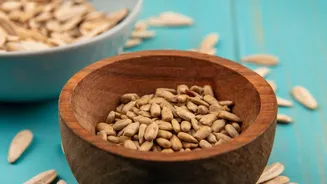
5. Sunflower Seeds: The Vitamin E Defender
Sunflower seeds are more than just a crunchy snack; they are packed with nutrients that support a diabetes-friendly diet. They have a low glycemic index and are a great source of healthy fats, protein, and fibre, which work together to slow sugar absorption and prevent sudden glucose spikes. What makes them stand out is their high content of Vitamin E, a powerful antioxidant that helps combat inflammation. Chronic inflammation can worsen insulin resistance, so managing it is crucial for people with diabetes. Additionally, sunflower seeds contain a plant compound called chlorogenic acid and are rich in magnesium, both of which may contribute to their blood-sugar-lowering effects. A daily portion of about 30 grams has been shown in some studies to help reduce fasting blood sugar over time. Add unsalted, raw, or dry roasted sunflower seeds to salads, trail mixes, or smoothies for a nutritional boost.