






An Atmosphere of Uncertainty
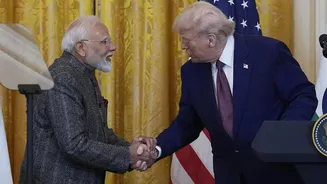
The primary outcome of the recent bilateral meetings, held in Mumbai on October 20-21, is a commitment to continue dialogue and finalize a trade agreement, but without a firm timeline. While both sides welcomed progress, the lack of a conclusive deal
leaves export houses in a precarious position. This uncertainty is a significant challenge in itself. For businesses in cities like Tiruppur, which are heavily reliant on textile exports to the US, the inability to forecast tariff structures beyond the short term complicates long-range planning and pricing strategies. The US remains India's largest export market, and this policy unpredictability from Washington is forcing companies to reassess their market dependence and explore diversification strategies.
The Tariff Tightrope
Tariffs remain the central issue. Discussions are ongoing, but Indian exporters are still wary of sudden policy shifts. Earlier in 2026, the US had imposed new tariffs on various goods, creating significant disruption. For example, a 10% tariff was placed on certain Indian goods over 'forced labour' concerns, which worried the textile industry. In another instance, the US threatened tariffs of up to 100% on goods from countries buying Russian oil, a move that caused panic among Indian exporters before it was temporarily waived. This history of volatile tariff announcements means that even with talks progressing, businesses cannot be complacent. For pharmaceutical exporters in hubs like Bengaluru and Hyderabad, the threat of high duties on patented drugs, first announced in April 2026, remains a major concern, even as generic drugs currently enjoy a temporary reprieve.
Sector-Specific Headwinds and Tailwinds
The impact is not uniform across all sectors. The textile and apparel industry, with nearly a third of its exports heading to the US, is particularly sensitive to any tariff changes. Exporters in Delhi-NCR's garment clusters are watching closely, as even minor tariff adjustments can erode their competitive edge against countries like Bangladesh and Vietnam. On the other hand, the pharmaceutical sector faces a more complex picture. While patented drugs face steep potential tariffs, a September 2026 exemption for certain specialty drugs has provided relief for some niche manufacturers. However, the US has also announced a future plan to impose heavy tariffs on generic drugs starting in 2028 to encourage onshoring, creating a long-term challenge for India's world-leading generics industry.
The View from the Ground
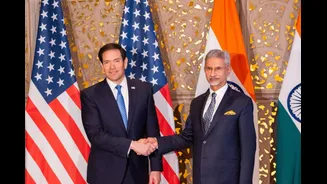
For an export house in Mumbai dealing in engineering goods or gems and jewellery, the key takeaway is the need for agility. The recent meetings reaffirmed a shared goal to more than double bilateral trade to over $500 billion in the coming years, an ambitious target that signals immense opportunity. US Secretary of State Marco Rubio’s visit emphasized cooperation in energy, defence, and technology, potentially opening new avenues for Indian firms. However, converting this potential into actual orders requires navigating a complex web of compliance and staying ahead of policy shifts. Exporter associations have been vocal about the damage that uncertainty causes, stressing that stable trade rules are essential for restoring buyer confidence and protecting jobs.