



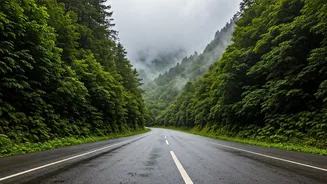


Lonavala: The Convenient Monsoon Getaway
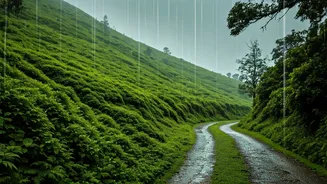
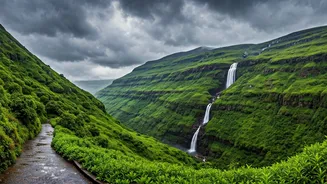
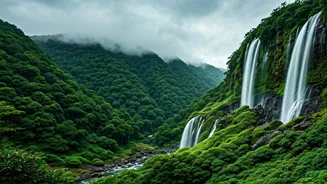
Just a two-hour drive from Mumbai and an hour from Pune, Lonavala is the undisputed champion of quick monsoon escapes. The Mumbai-Pune Expressway itself becomes part of the experience, with waterfalls cascading down cliffs in the Khandala ghat section.
Lonavala's vibe is energetic and often crowded, making it ideal for those seeking a lively atmosphere. It's perfect for a day trip or a one-night stay, especially for spontaneous plans. The town is packed with viewpoints that come alive in the rains, though they can get extremely crowded, particularly on weekends. Its accessibility and vibrant energy make it a perennial favourite for a quick dose of monsoon magic.
What to See and Eat in Lonavala
During the monsoon, Bhushi Dam is the main attraction, with water overflowing onto the steps, but expect massive crowds and traffic. For a slightly less chaotic but equally stunning waterfall experience, head to Kune Falls, one of the tallest in Maharashtra. Viewpoints like Tiger Point and Lion's Point offer dramatic valley views enveloped in thick fog, which becomes an experience in itself. For a dose of history, the ancient Karla and Bhaja Caves are a must-visit. A trip to Lonavala is incomplete without its culinary staples: indulge in hot corn-on-the-cob (bhutta) and spicy vada pav from roadside stalls, and don't forget to pack the iconic Lonavala chikki.
Mahabaleshwar: The Serene Hill Retreat
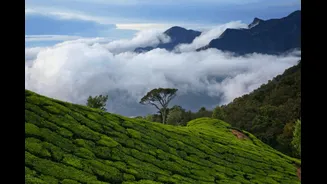
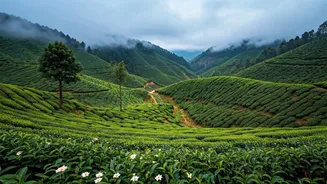
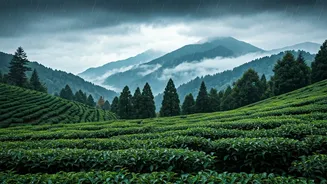
If you have more time and seek tranquillity over crowds, Mahabaleshwar is your answer. The drive is longer—about five to six hours from Mumbai and three to four from Pune—but it rewards you with cooler temperatures and a more relaxed, family-friendly atmosphere. Known as the 'Monsoon Capital', the hill station becomes a world of dense fog and lush greenery. While Lonavala is about the quick, energetic break, Mahabaleshwar invites you to slow down. It's ideal for a trip of at least two to three days, allowing you to explore its numerous viewpoints and soak in the serene environment.
Exploring Mahabaleshwar’s Misty Charms
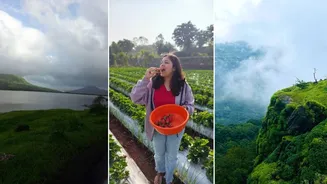
Mahabaleshwar's charm lies in its sprawling viewpoints and natural beauty, amplified by the monsoon. Arthur's Seat, known as the 'Queen of all Points', offers dramatic views of the mist-filled valleys. Other popular spots include Elephant's Head Point and Wilson Point. Boating on Venna Lake, even in a light drizzle, is a magical experience. The Lingmala and Dhobi waterfalls are in their full glory during this season. For foodies, while the strawberry season is primarily in winter, a visit to Mapro Garden for their sandwiches and desserts is a must. Also, be sure to try the local speciality of hot corn patties (makai pattice) and roasted corn, which are perfect for the cool, wet weather.
The Verdict: Which One Is for You?
The choice between Lonavala and Mahabaleshwar depends entirely on your travel style and the time you have. Choose Lonavala if: You're looking for a quick, spontaneous one or two-day trip. You enjoy a lively, bustling atmosphere and don't mind crowds. You're travelling from Mumbai or Pune and want a short, easy drive. Choose Mahabaleshwar if: You have at least two to three days to spare. You prefer a quieter, more relaxed vacation with cooler weather. You enjoy longer drives through scenic ghats and want to explore a wider range of viewpoints and natural attractions.
Essential Monsoon Driving Safety Tips
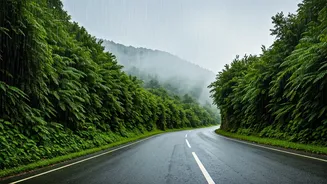
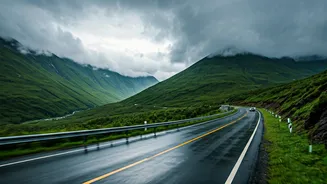
Driving in the Western Ghats during the monsoon requires extra caution. Before you start, ensure your vehicle's tyres, brakes, and wipers are in excellent condition. Reduce your speed, as wet roads increase braking distance. Use low gears when driving downhill to avoid overheating your brakes. Be extremely vigilant for fog, which can drastically reduce visibility, and watch out for waterlogging on expressways, which can cause significant traffic disruptions. Always give way to uphill traffic. It’s also wise to carry a tyre inflator kit and a tow cable, as repair shops can be scarce in remote ghat sections. Most importantly, be patient, avoid overtaking on blind curves, and if visibility drops to near-zero, it's safer to pull over and wait.