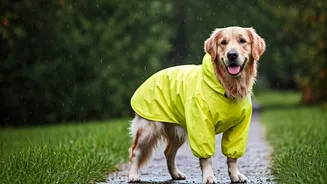

More Than a Style Statement
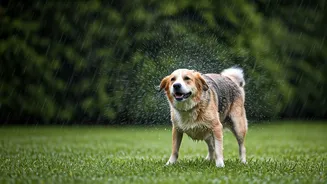
While a dog in a tiny raincoat is undeniably cute, the benefits go far beyond aesthetics. The primary advantage is, of course, keeping your pet dry. This dramatically reduces the dreaded ‘wet dog smell’ that can permeate your home after a rainy walk.
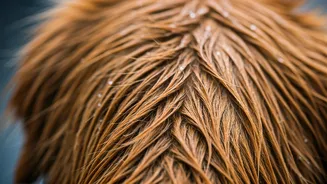
More importantly, it helps protect their health. Constantly damp fur, especially in breeds with thick undercoats, can create a breeding ground for bacteria and fungi, leading to skin infections, hot spots, and general discomfort. A waterproof layer keeps their coat and skin dry, minimising these risks. It also means less time spent wrestling with a towel and a muddy dog at your doorstep, making the entire experience more pleasant for both of you.
The Safety Factor: Why Neon Wins
Rainy weather often means poor visibility. Grey skies, heavy downpours, and misty conditions can make it difficult for drivers of cars, motorcycles, and bicycles to spot a pedestrian, let alone a smaller, four-legged one. This is where neon and brightly-coloured raincoats become a crucial safety feature. Hues like fluorescent yellow, electric green, bright orange, or pink make your dog stand out against the dreary backdrop of a wet street. Many modern dog raincoats also come with reflective strips or piping, which catch the light from headlights in low-light conditions like dawn or dusk. Choosing a neon or reflective coat is a simple but effective step to ensure your dog remains visible and safe from traffic during your outdoor adventures.
Choosing the Perfect Fit and Fabric
Not all raincoats are created equal. When shopping for one, pay close attention to three key things: material, fit, and design. Look for fabric that is genuinely ‘waterproof’ rather than just ‘water-resistant’. Materials like PVC, vinyl, or polyester with a polyurethane (PU) coating offer the best protection against heavy rain. However, waterproofing shouldn't come at the cost of comfort. Ensure the coat has a breathable lining, like mesh, to prevent your dog from overheating. The fit is crucial. It should be snug enough to stay in place but not so tight that it restricts movement. Measure your dog's length (from the base of the neck to the base of the tail), chest girth, and neck. A good coat will offer coverage for their back and belly while leaving room for them to relieve themselves without soiling the garment. Adjustable straps around the chest and belly help achieve a customised, secure fit.
Getting Your Canine Comfortable
Some dogs take to wearing clothes instantly, while others may be suspicious of this new contraption. The key to success is a gradual and positive introduction. Don't just force the raincoat on your dog right before a walk. Instead, start indoors. Let them sniff the coat first. Place it on their back for a few seconds, then remove it and give them a treat and praise. Gradually increase the duration. Try fastening the straps for a short period while offering plenty of encouragement. Have them wear it around the house for a few minutes before you even attempt an outdoor walk. By associating the raincoat with positive experiences like treats and praise, you teach them that it’s not something to be feared, but a precursor to an enjoyable walk.
Beyond the Coat: Other Monsoon Must-Haves
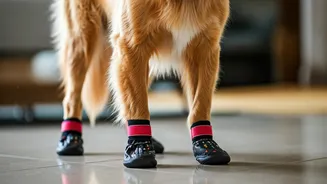
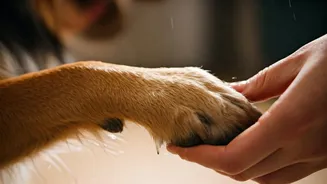
A raincoat is the star player, but a few other items can complete your dog's wet weather kit. Waterproof booties can be a lifesaver, protecting their paws from muddy puddles, sharp objects hidden in dirty water, and potential infections. Just like with the coat, introduce booties gradually. A highly absorbent microfibre towel kept by the door is also a smart investment for drying off any exposed areas like paws, legs, and tails quickly and efficiently. Finally, regular paw checks after a walk are essential to clean any dirt and look for cuts or signs of irritation. With the right gear, the monsoon can transform from a season of cancelled plans to one of new adventures.