







The Uncomfortable Interlude
For months, the southwest monsoon brings relief from the scorching pre-summer heat. But as the rains begin their gradual withdrawal, typically starting from northwest India around the beginning of September, the weather doesn't transition directly into
pleasant coolness. Instead, many parts of the country enter a phase of sultry, oppressive weather. This period is commonly called 'September Heat.' It is characterized not just by rising temperatures but, more significantly, by high humidity, which makes the air feel heavy and much hotter than the thermometer reading suggests. While the monsoon withdrawal is a staggered, six-week process moving southeast across the country, this post-rain heat is a shared experience for many.
The Science Behind the Sweat
So, why does it get so hot and sticky after the rains have stopped? The answer lies in a combination of atmospheric factors. As the monsoon system weakens and retreats, the dense cloud cover that blocked solar radiation disappears. This allows for more direct and intense sunlight to reach the ground, causing a rise in surface temperatures. However, the ground is still saturated with moisture from the preceding weeks of rain. This moisture evaporates into the air, dramatically increasing the humidity. Essentially, you get the clear skies and direct sun of summer combined with the high moisture content of the monsoon, creating a recipe for uncomfortable and potentially dangerous humid heat.
It's Not the Heat, It's the Humidity
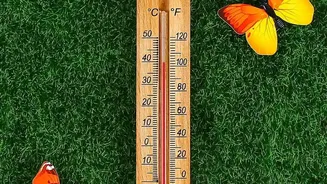
The key to understanding September Heat is the difference between the actual air temperature and the 'feels-like' temperature, or heat index. The human body cools itself by sweating; as sweat evaporates from the skin, it takes heat with it. But when the air is already saturated with moisture (high humidity), this evaporation process slows down drastically. This is why a 33°C day with 80% humidity can feel more oppressive than a 40°C day in the dry pre-monsoon summer. Your body struggles to cool down, leading to increased physiological stress. This moist heat is often considered more dangerous because the body's natural cooling mechanism is compromised.
Impacts on Health and Daily Life
The effects of September Heat are felt in everyday life. The primary concern is public health. The combination of high heat and humidity significantly increases the risk of heat-related illnesses such as dehydration, heat exhaustion, and potentially fatal heatstroke. Outdoor labourers, farmers, the elderly, and children are particularly vulnerable. This weather also puts a strain on infrastructure, leading to a surge in electricity demand as households and offices run air conditioners and fans at full capacity to find relief. This can lead to power cuts in some areas, exacerbating the discomfort.
Consequences for Agriculture
Beyond human comfort, the post-monsoon heat has significant implications for the agricultural sector. For farmers, this period can be challenging. The intense heat can cause stress to standing Kharif (monsoon) crops, potentially affecting yields just before harvest. Furthermore, the heat accelerates the evaporation of crucial topsoil moisture, which is vital for the sowing of the upcoming Rabi (winter) crops. Agricultural workers, who must spend long hours in the fields, face a heightened risk of heat-related health issues, which can in turn impact their productivity and livelihoods.
How to Stay Safe and Comfortable
Navigating September Heat requires awareness and precaution. The most important advice is to stay hydrated by drinking plenty of water throughout the day, even if you don't feel thirsty. It's best to wear light, loose-fitting cotton clothing that allows air to circulate. Try to limit strenuous outdoor activities, especially during the peak afternoon hours between noon and 4 p.m. Pay attention to the signs of heat exhaustion, which include heavy sweating, dizziness, headache, nausea, and muscle cramps. If you or someone else experiences these symptoms, it's crucial to move to a cooler place, rest, and rehydrate.