
An Art Form Born From the Earth
Lippan Kam, also known as mud-and-mirror work, is a traditional mural art form native to the Kutch region of Gujarat. The name itself, derived from the local word 'lipan' meaning 'to apply', points to its origins as a plastering technique. For generations,
women from pastoral communities like the Rabari, Mutwa, and Kumbhar have decorated the interior and exterior walls of their circular mud huts, or 'bhungas'. The process was beautifully simple and sustainable. Artisans would prepare a dough-like mixture of local clay and animal dung, which acted as a natural binder. This mixture was then skillfully applied by hand to create intricate relief patterns on the walls. The final touch involved embedding small pieces of mirror, known as 'aabhla', which would catch the light and illuminate the dark interiors. This art was not just for beauty; the mud plaster helped keep the homes cool in the scorching desert heat.
The Practical Shift to Modern Materials
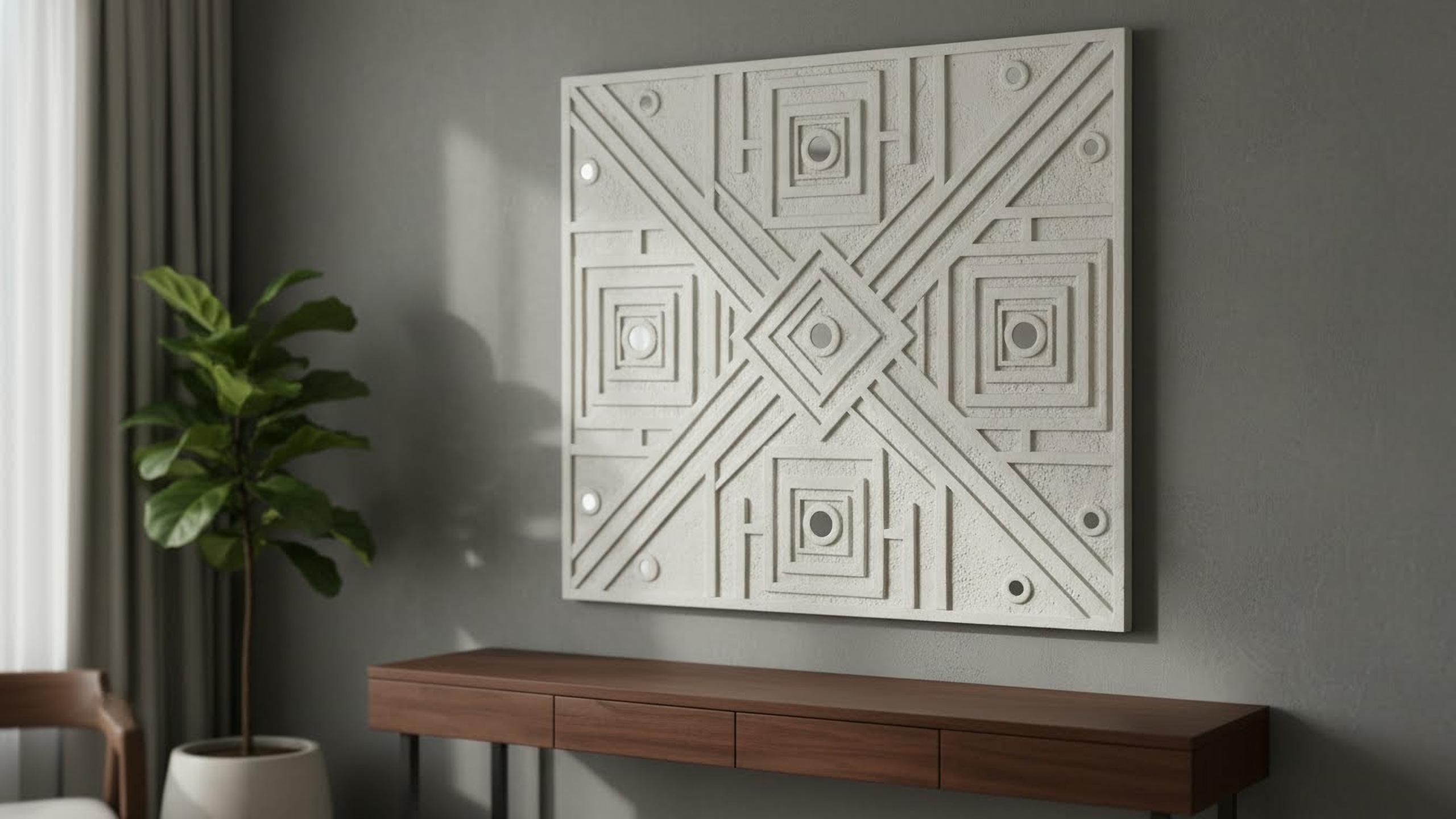
For Lippan Kam to travel beyond the villages of Kutch, it had to overcome a few practical challenges. A wall mural made of clay and dung is fragile and not exactly portable. This is where the ingenuity of the artisans shines. To make their art accessible to a wider urban audience, they began to innovate, starting with the canvas itself. Instead of decorating immovable walls, artisans now create their masterpieces on durable, portable bases like MDF boards, plywood, and canvas. This simple change transformed the art form into a decorative product that could be shipped and sold anywhere. The traditional mixture has also seen a modern makeover. While the original recipe was eco-friendly, it wasn't ideal for modern, air-conditioned homes. Artisans have developed new mixtures using materials like ceramic powder, chalk powder, and strong adhesives. These modern concoctions are more durable, long-lasting, and odour-free, making them perfectly suited for urban interiors.
New Designs for Contemporary Spaces
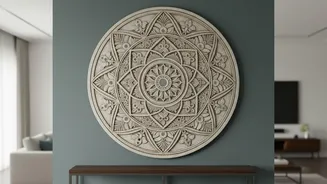
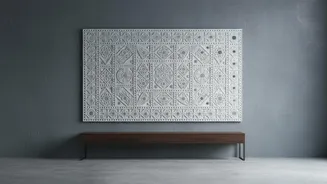
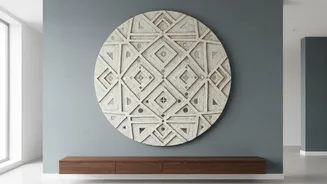
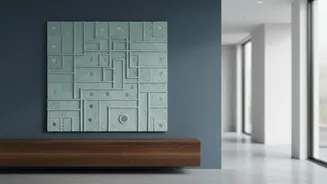
The adaptation of Lippan Kam extends beyond materials to its very aesthetic. Traditional motifs often draw from nature and daily life in Kutch—peacocks, camels, elephants, and mango trees are common themes. While these classic designs remain popular, artisans are now experimenting with patterns that resonate with contemporary tastes. Geometric mandalas, abstract patterns, and minimalist designs are increasingly common. The colour palette has also expanded dramatically. The original art was typically left in its natural earthy tones or coated with white clay. Today, artists use vibrant acrylic paints in every imaginable shade, from deep blues and greens to metallic golds and soft pastels, allowing the pieces to complement various interior design schemes. This fusion allows Lippan art to feel at home in both bohemian-chic living rooms and minimalist office spaces.
From Village Craft to Global Decor
This evolution has been a lifeline for the art form and its creators. What was once an anonymous community craft, passed down through generations, has now become a source of economic empowerment for many artisans, particularly women. The revival was significantly boosted by cultural events like the Rann Utsav, which brought national attention to Kutch's unique crafts. Today, artisans sell their work through online platforms, social media, and exhibitions, reaching customers across India and the world. You can now find Lippan Kam not just as wall panels, but also adorning furniture, coasters, mirror frames, and other home accessories. This commercial success ensures that the skills are not only preserved but are also seen as a viable livelihood, encouraging younger generations to continue the tradition.