



The Science Behind Post-Workout Chills
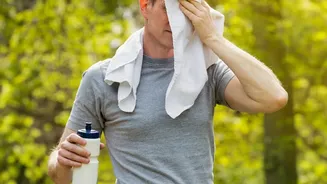
Understanding why you shiver is the first step to preventing it. During exercise, your body generates a tremendous amount of heat. To cool down, it pumps more blood to your skin and you begin to sweat. When you stop your workout, your heat production
drops abruptly. However, your body's cooling mechanisms, especially sweat evaporation, continue to work. This combination of sweat-dampened skin and the cold winter air can cause your core body temperature to plummet, triggering shivering as your body desperately tries to warm itself back up. It's a normal physiological response, but one that can be managed with a smarter approach to your post-workout routine.
The Golden Rule: Ditch the Damp Clothes Immediately
The single most effective way to prevent post-workout chills is to get out of your wet workout gear as quickly as possible. Wet clothing, especially cotton, loses its insulating properties and rapidly draws heat away from your body. Even a five-minute delay can be enough for the chill to set in. Make it a non-negotiable part of your routine. If you've driven to a park or trail, bring a complete change of dry clothes, including socks and a hat. For your winter workouts, choose moisture-wicking synthetic fabrics or merino wool for your base layer. These materials pull sweat away from your skin, keeping you drier and warmer.
Rethink Your Cool-Down Strategy
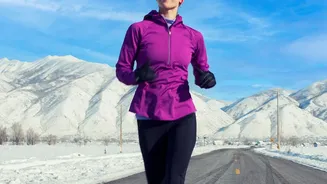
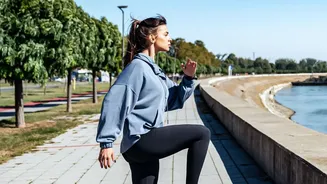
A leisurely, static cool-down outdoors is perfect for a summer day, but it’s a recipe for chills in the winter. The goal is to gradually lower your heart rate without losing too much body heat. Instead of stopping completely, transition to a few minutes of light jogging or brisk walking as you head indoors. Once inside, perform your static stretches in a warm environment. This keeps your muscles pliable for stretching while protecting you from the rapid temperature drop of the cold air. If an indoor space isn't immediately available, shorten your outdoor cool-down jog and plan to do your main stretching routine after you get home and change.
Warm Up from the Inside Out
Your body's internal temperature is just as important as what's happening on the surface. Hydration plays a key role in temperature regulation, and being dehydrated can make you more susceptible to chills. After a cold-weather workout, focus on rehydrating with warm liquids. A mug of herbal tea, warm water with lemon, or even a nourishing soup can help raise your core body temperature from the inside. Pairing this with a small, easily digestible snack containing carbohydrates and protein will also aid recovery and help stabilize your energy levels, further preventing that cold, shaky feeling that can sometimes follow a hard workout.
Embrace the Post-Workout 'Warm-Up'
Consider your routine incomplete until you are dry and warm. After changing out of your workout clothes, a warm shower can feel fantastic and helps bring your body temperature back to a comfortable baseline. Avoid making the water scalding hot immediately; start with a comfortable warmth and gradually increase it. Following your shower, put on comfortable, warm clothing like a sweatshirt and fleece pants. This final step locks in warmth and signals to your body that the recovery process is fully underway, warding off any lingering shivers and allowing you to enjoy the well-earned afterglow of your fitness session.
Know When It’s More Than Just Chills
While post-workout chills are usually harmless, it's crucial to distinguish them from the early signs of hypothermia, a dangerous drop in body temperature. Symptoms of hypothermia can include intense shivering, slurred speech, confusion, drowsiness, and loss of coordination. It can occur even in cool, not just freezing, temperatures, especially if you are wet and tired. If your chills are severe, prolonged, or accompanied by any of these other symptoms, it’s essential to get to a warm place immediately and seek medical attention.