

Prune with Purpose
The monsoon encourages wild, often chaotic, growth. September is your chance to bring back structure and health. Pruning isn't just about aesthetics; it improves air circulation, which is crucial for preventing the fungal diseases that thrive in post-monsoon
humidity. Start by snipping off any yellowing leaves, dead or broken branches, and spent flowers. This maintenance-level tidying can be done on most plants. For flowering shrubs like hibiscus and jasmine, which may have become leggy, a light trim will encourage bushier growth and more blooms. Use clean, sharp shears to make precise cuts, which helps the plant heal faster and reduces the risk of infection. However, be gentle. Avoid hard pruning unless you are certain the plant needs it; the goal is to clean up and shape, not to shock the plant.
Repot for a Refresh
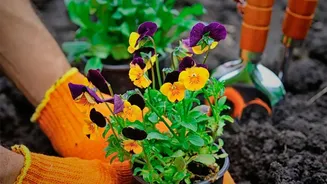
After months of rain, the soil in your pots can become compacted and leached of essential nutrients. Some plants may also have become 'root-bound', with their roots tightly circling the inside of the pot. Signs to look for include slowed growth or roots visibly emerging from the drainage holes. The post-monsoon season is an ideal time for repotting in many parts of India, as the intense summer heat has passed, reducing the stress on the plant. When repotting, choose a container that is only one or two inches larger in diameter. Gently remove the plant, inspect the roots, and trim away any that look mushy or rotten. Place it in the new pot with a fresh, well-draining potting mix. A good combination for balcony pots often includes cocopeat, compost, and perlite to ensure good aeration and prevent waterlogging. After repotting, keep the plant in a shady spot for a few days and avoid fertilising for at least four to six weeks to allow it to recover.
Watch for Post-Rain Pests
The damp, humid conditions following the monsoon are a breeding ground for pests like aphids, mealybugs, slugs, and snails. Before you introduce new plants or begin fertilising, give your existing ones a thorough inspection. Check the undersides of leaves and the joints of stems, as this is where pests often hide. Sticky leaves can be a sign of sap-sucking insects like aphids. If you spot an infestation, act quickly. A simple spray of neem oil mixed with a little liquid soap and water is an effective organic solution for many common garden pests. For slugs and snails, which leave irregular holes in leaves, a barrier of crushed eggshells around the base of your pots can deter them. Keeping your balcony clean and free of debris will also help reduce places where pests can hide and multiply.
Plan for Winter Blooms
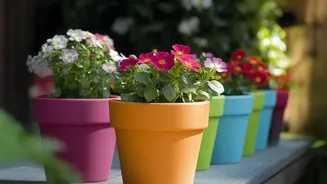
September is the perfect month to plan and sow seeds for India's glorious winter flowering season. The cooler temperatures and pleasant sunlight from October to March create ideal growing conditions for a huge variety of flowers. For your balcony, consider sowing seeds of winter favourites like marigolds, petunias, pansies, dianthus, and calendula directly into pots or seed trays. These varieties are well-suited for container gardening and will reward you with a riot of colour through the winter months. Check the seed packet for specific instructions, but most will germinate readily in the September weather. This is the moment to transition from the lush greens of the monsoon to a vibrant, colourful display. Sowing now gives the seedlings enough time to establish themselves before the temperatures drop further, ensuring a healthy and floriferous winter garden.