
Day 1: Jaipur’s Tie-Dye Treasures
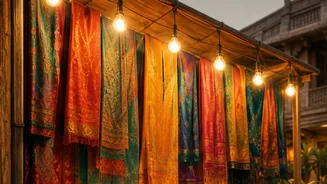
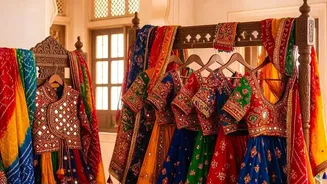
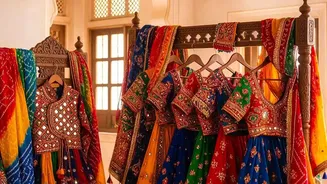
Arrive in the Pink City, Jaipur, a historic hub for some of India’s most famous textile arts. Your journey begins in the bustling lanes of the old city's markets, like Johari Bazaar. Here, you will find stunning examples of Bandhani and Leheriya, two
iconic Rajasthani resist-dyeing techniques. Bandhani, derived from the Sanskrit word 'to tie', involves pinching tiny sections of fabric and tying them with thread before dyeing, creating intricate dot patterns. Leheriya, meaning 'wave', uses a similar resist method but involves rolling the fabric to create mesmerising diagonal stripes that evoke the desert winds. Spend the day absorbing the riot of colours and observing how these ancient crafts, once patronised by Rajput royalty, are still a vibrant part of daily life and celebration. Many shops are run by the same artisan families that have perfected these skills over generations.
Day 2: The Block-Printing Villages of Bagru and Sanganer
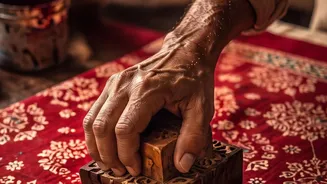
Today is dedicated to the world-renowned craft of hand-block printing. Take a short drive from Jaipur to the neighbouring villages of Bagru and Sanganer, each with its own distinct style. Sanganer, known for its fine lines and delicate floral motifs, often printed on a white or light background, received a Geographical Indication (GI) tag for its unique craft. Artisans here practice direct printing, where carved wooden blocks are precisely pressed onto the fabric one colour at a time. Just 30 kilometres away lies Bagru, a village defined by its earthy tones and the 'dabu' mud-resist printing technique. Here, a special mud paste is applied to the fabric to 'resist' the dye, which is often natural indigo. After dyeing and washing, the mud is removed to reveal the pattern underneath. Many workshops in both villages invite visitors to watch the artisans at work and even try their own hand at printing a small piece of fabric, offering a truly immersive experience.
Day 3: Journey to the Blue City, Jodhpur
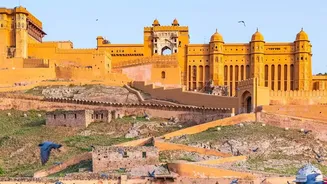
Travel from Jaipur to Jodhpur, Rajasthan’s famous Blue City. The journey takes several hours, offering a chance to watch the desert landscape unfold. Upon arrival, settle in and get your first glimpse of the imposing Mehrangarh Fort, which overlooks a sea of blue-painted houses. In the evening, you can explore the Clock Tower market, a bustling centre of commerce where you can find everything from spices to handicrafts. This is a great place to see finished textile products from the region, including the Bandhani tie-dye that Jodhpur is also famous for, and the robust leather mojris (footwear) that are often intricately embroidered. This evening is about soaking in the atmosphere of this historic city before diving into its specific craft traditions tomorrow.
Day 4: Weavers of Salawas and the Bishnoi Community
Venture just outside Jodhpur to the village of Salawas, a place that is considered by many to be the dhurrie capital of India. In homes and courtyards, you will find artisans working on horizontal looms, weaving beautiful, flat-woven cotton rugs. These dhurries are known for their geometric patterns, durability, and the fact they are reversible. This craft has been passed down through generations, and many artisan families welcome visitors to watch the intricate process and explain their ancestral weaving techniques. Many tours also combine a visit to Salawas with the nearby Bishnoi villages. The Bishnoi community is renowned for its deep reverence for nature and wildlife, as well as its own craft traditions. A visit here offers a profound cultural insight into a way of life that exists in harmony with the environment, complementing the day’s focus on handmade heritage.
Day 5: Jodhpur’s Forts and Final Farewells
Spend your final morning exploring Mehrangarh Fort, one of India's most magnificent and well-preserved forts. Inside, the fort’s museum holds an exceptional collection of royal costumes and textiles, providing context to the crafts you have seen being made. Seeing the fine silks and intricately worked fabrics worn by royalty offers a new appreciation for the skill and artistry of the region's artisans. After your visit, take one last walk through the city's blue lanes or markets for any last-minute souvenirs. Your five-day journey has provided a window into the soul of Rajasthan, not just through its palaces and forts, but through the hands of the artisans who are the living keepers of its cultural flame. Depart from Jodhpur with a deeper understanding of the stories woven into every thread.