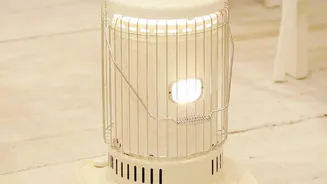







The Science of Thirsty Air
Central heating systems, whether forced-air furnaces, heat pumps, or radiators, all work by warming up the air in your home. The problem is that cold air naturally holds very little moisture. When your heating system warms this air, its capacity to hold moisture increases,
but the actual amount of water vapour in the air remains the same. This causes the relative humidity to plummet, sometimes to levels drier than a desert. This intensely dry indoor air then looks for moisture wherever it can find it, and your skin is an easy target.
How Dry Air Dehydrates Your Skin
Your skin has a natural protective barrier that regulates its moisture levels. This process includes something called transepidermal water loss (TEWL), which is the normal, slow evaporation of water from the skin's surface. However, when the surrounding air is extremely dry, it acts like a sponge, pulling moisture from your skin at an accelerated rate. This excessive water loss weakens the skin's barrier, making it less able to retain hydration. The result is dehydrated skin that feels tight and rough and becomes more vulnerable to irritants, redness, and inflammation.
Recognising the Symptoms
The signs of skin dehydration caused by indoor heating are often mistaken for simple dryness, but they are distinct. Dehydrated skin lacks water, not oil. Common symptoms include a feeling of tightness, visible flakiness or peeling, and increased sensitivity. You might also notice that fine lines and wrinkles appear more prominent, and your complexion looks dull or rough. For those with chronic conditions like eczema or psoriasis, this dry environment can significantly worsen flareups.