

A Symphony for the Senses
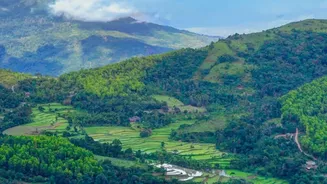
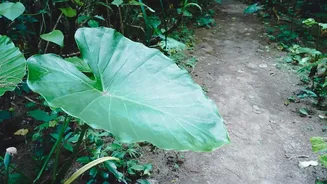
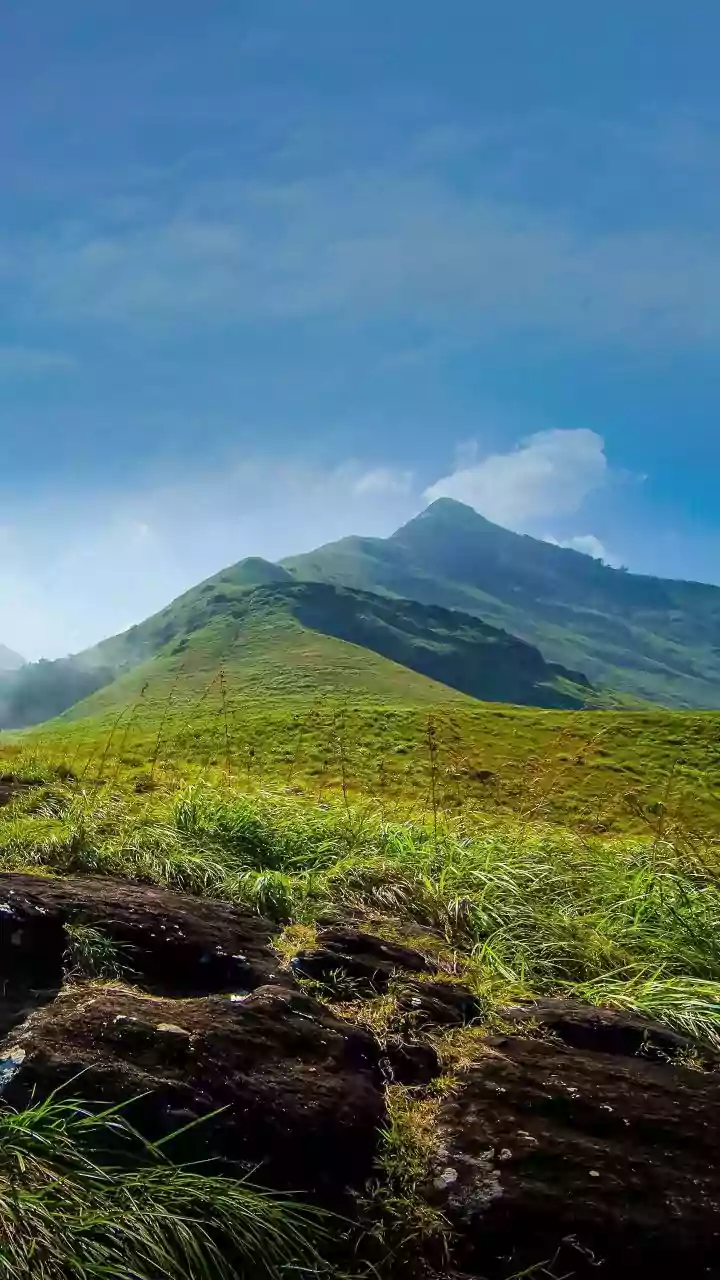
Experienced trekkers know a secret that others might miss: the monsoon doesn't close down the mountains; it brings them to life. The season transforms familiar trails into entirely new worlds. Dry, dusty paths become lush green carpets, sleepy streams
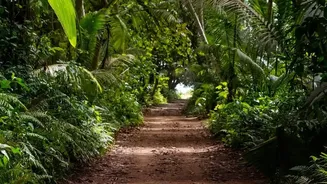
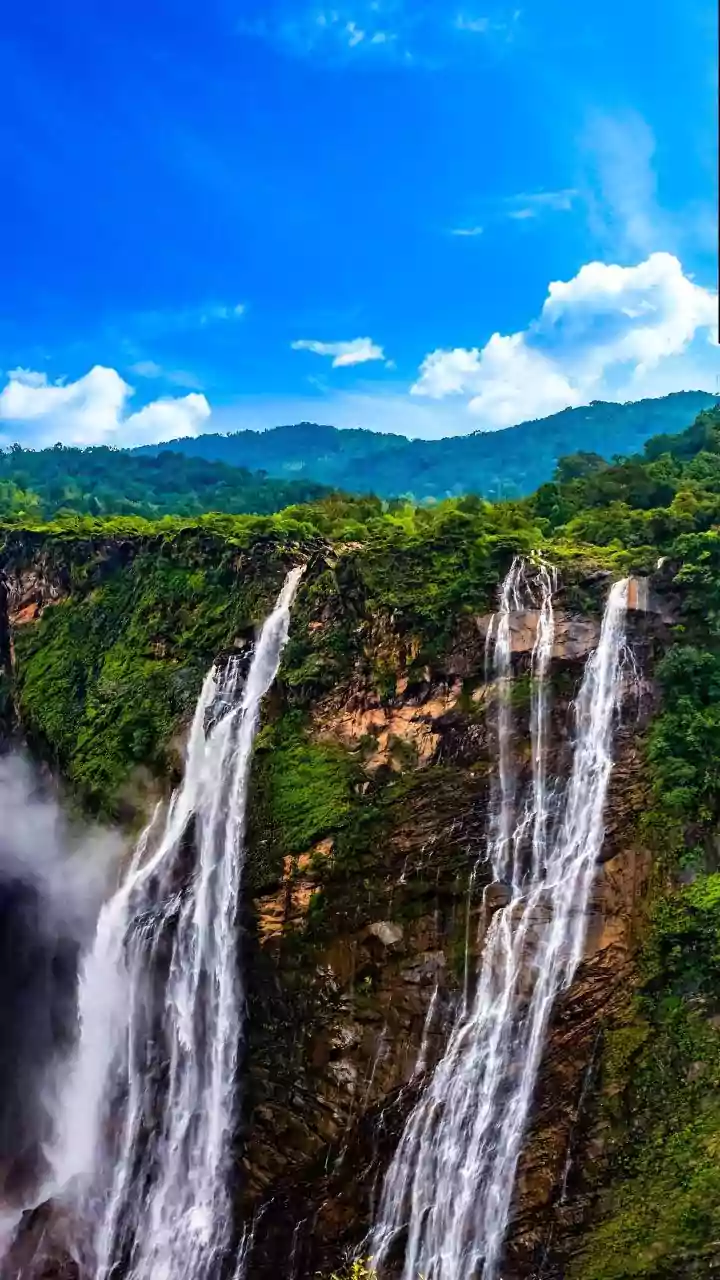
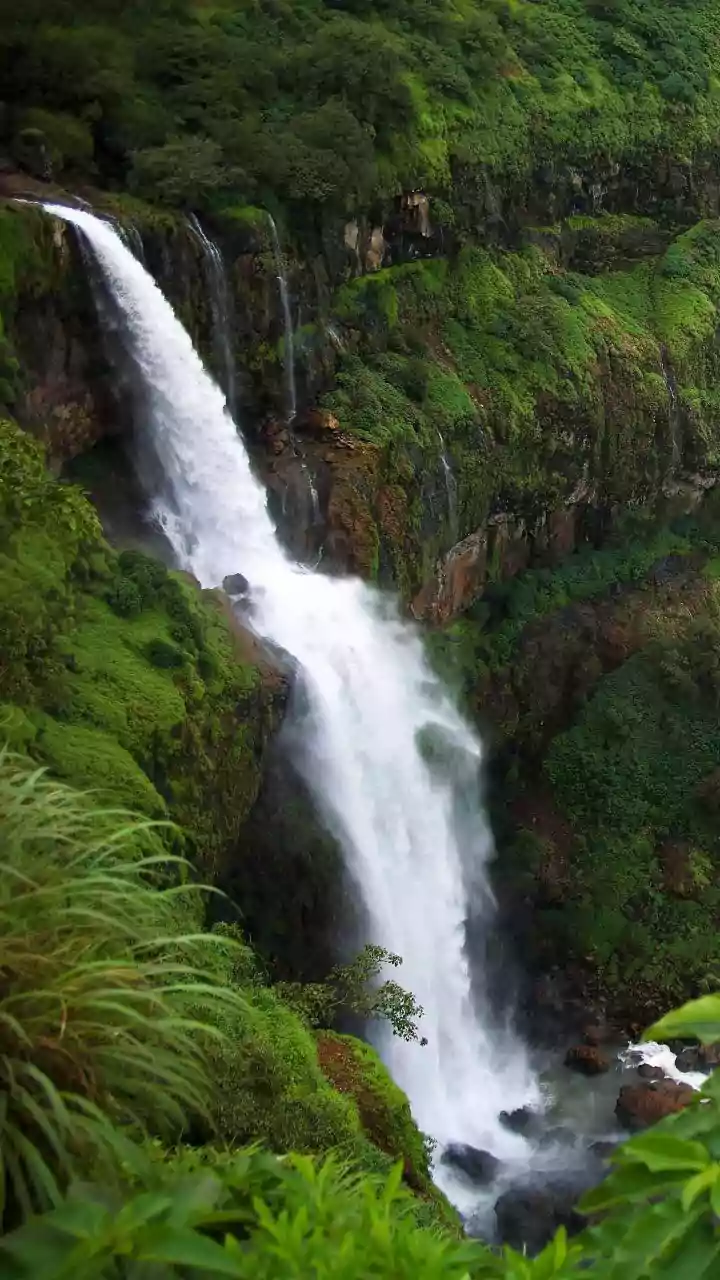
swell into roaring waterfalls, and the air, washed clean of pollutants, feels crisp and easy to breathe. This is a full sensory experience—the earthy smell of petrichor, the sound of rain on a forest canopy, and the sight of mist-covered hills create a deeply immersive and calming atmosphere. Unlike the crowded peak seasons, monsoon trails are often quieter, offering a more peaceful and personal connection with nature.
The Western Ghats: A Green Paradise
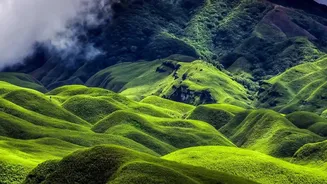
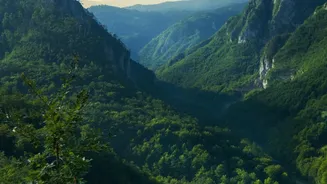
The Sahyadri range in Maharashtra and the hills of Karnataka are legendary for their monsoon beauty. Fort treks near Lonavala and Pune, such as Lohagad, Korigad, and Rajmachi, become spectacularly scenic. Lohagad, a beginner-friendly trail, offers sweeping views of clouds rolling through the valley. In Karnataka, the Kudremukh trek is a standout, its name meaning 'horse face' for the shape of its peak. During the rains, its rolling hills, dense forests, and countless streams create an unforgettable landscape. Further south, trails like Mullayanagiri—Karnataka's highest peak—offer family-friendly routes with stunning vistas.
Himalayan Marvels: Valleys in Bloom
While many high-altitude Himalayan passes are risky during the monsoon, several trails in the lower ranges and rain-shadow areas are at their absolute peak. The most famous of these is the Valley of Flowers in Uttarakhand, a UNESCO World Heritage Site. From late July through August, this valley explodes with hundreds of species of wildflowers, creating a vibrant natural canvas. The trek is considered easy to moderate, making it accessible for beginners. Other excellent Himalayan monsoon options include the Hampta Pass in Himachal Pradesh, which offers a dramatic crossover from the lush Kullu valley to the arid landscapes of Lahaul, and the Tarsar Marsar trek in Kashmir, where alpine lakes are framed by blooming meadows.
Essential Tips for a Safe Monsoon Trek
The magic of a monsoon trek is matched by its challenges, making preparation key. The primary dangers aren't the rain itself, but slippery trails, potential flash floods, and poor visibility. Therefore, choosing the right trail is the most critical safety decision. Always check with local authorities or experienced guides about trail conditions before you go. Investing in proper gear is non-negotiable. High-grip, waterproof trekking shoes are essential to prevent slips and falls. A poncho is often preferred over a rain jacket as it provides better ventilation and also covers your backpack. Pack your electronics and extra clothes in dry bags or thick plastic bags inside your main pack to ensure they stay dry. A trekking pole can provide crucial stability on slick terrain, and a headlamp is vital as rain and fog can reduce visibility even during the day.
Embracing the Elements
A monsoon trek is as much about mindset as it is about gear. It’s about finding joy in the journey, not just the destination. It’s about accepting that you will get wet and muddy, and embracing it as part of the experience. The rain demands a slower, more deliberate pace, forcing you to pay closer attention to your surroundings and your footing. This mindful approach can be a powerful mental reset. It teaches resilience and adaptability while rewarding you with solitude and scenery that few get to witness. It's an opportunity to see a familiar world with fresh eyes, draped in countless shades of green and bursting with life.