







From Global Markets to the Petrol Pump
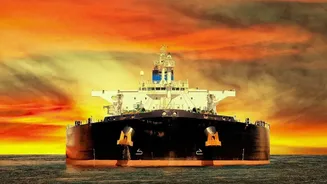
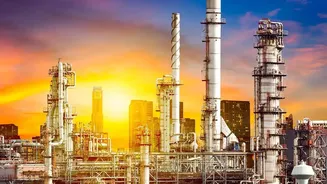
The journey of fuel price changes begins thousands of miles away. India imports over 80% of its crude oil, making its economy highly sensitive to international prices. When the cost of this crude oil rises, the base price for petrol and diesel in India increases.
Oil Marketing Companies (OMCs) calculate this price based on global rates and the USD-INR exchange rate. After the crude is refined, the central government adds its excise duty, and then state governments levy their own Value Added Tax (VAT). These taxes can make up more than half of the final retail price you pay at the pump. This entire calculation is revised daily, which is why fuel prices can change overnight.
The Direct Hit on Your Daily Commute
The most immediate impact for many is on personal transportation. For the millions who rely on motorcycles and cars for their daily commute, a rise in petrol prices directly translates to a higher monthly fuel bill. This erodes household purchasing power, acting almost like a tax on daily life. Even if you don't own a vehicle, you aren't shielded from the effects. Auto-rickshaw and taxi unions often lobby for fare hikes to cover their increased operational costs when fuel prices remain elevated for extended periods. For those using ride-hailing apps like Uber and Ola, higher fuel costs can lead to increased surge pricing or eventually, a revision of the base fares, making that convenient ride to the office or metro station more expensive.
The Ripple Effect Through Logistics
Beyond personal transport lies the massive logistics network that powers the country, and it runs almost entirely on diesel. Trucks carry everything from fresh vegetables and milk to electronics and clothing across states. Fuel is the single largest variable cost for these transport operations. When diesel prices climb, freight rates inevitably follow. This increase in transportation cost doesn't just stay with the trucking company; it gets passed down the supply chain. The manufacturer pays more to ship goods, the wholesaler pays more, the retailer pays more, and ultimately, the consumer sees a higher price tag on the shelf. This is a key reason why rising fuel costs are closely linked to broader inflation, making everything from groceries to gadgets more expensive over time.
Your Online Orders and Food Deliveries
The convenience of the digital economy is also heavily reliant on fuel. Quick-commerce and food delivery platforms like Zomato, Swiggy, and Blinkit depend on a vast fleet of delivery partners, most of whom use petrol-powered two-wheelers. For these gig workers, fuel is a significant operational expense that directly eats into their earnings. When prices spike, platforms may be forced to compensate by increasing delivery fees, introducing handling charges, or raising the minimum order value. So, that late-night snack or last-minute grocery run could start costing you a little extra, not because the food is more expensive, but because the cost of bringing it to your doorstep has gone up.
Taking to the Skies Gets Pricier
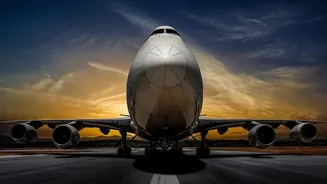
Air travel is not immune either. An airline's operating costs are heavily influenced by the price of Aviation Turbine Fuel (ATF), which can account for 35-40% of their total expenses. When global crude oil prices rise due to geopolitical tensions or supply concerns, ATF prices in India follow suit. While airlines might absorb minor fluctuations, sustained increases in jet fuel costs almost always lead to higher airfares, especially on busy routes. This means that planning a holiday or a business trip can become significantly more expensive as airlines pass on the burden of higher fuel costs to passengers to protect their own narrow profit margins.