





The Silver Tsunami Goes Digital
Not long ago, online fitness was synonymous with youthful, high-impact routines. Think punishing HIIT sessions and complex choreography. Today, a significant and rapidly growing segment of that landscape is dedicated to something far more accessible:
gentle, modified yoga for older adults. YouTube channels, Instagram lives, and subscription apps are now populated with instructors leading 'chair yoga,' 'yoga for seniors,' and 'gentle flow for mobility' classes. These aren't just watered-down versions of traditional yoga; they are thoughtfully adapted practices designed to meet the specific needs of an ageing body. This boom reflects a massive demographic shift. As populations in India and across the world age, there's a growing demand for fitness that prioritizes longevity, stability, and sustainable health over aesthetics and peak performance.
More Than Just a Stretch
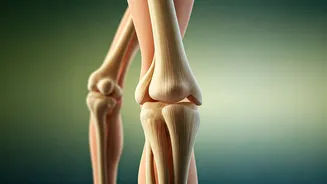
The appeal of yoga for healthy ageing lies in its profound, science-backed benefits. For older adults, maintaining mobility and balance is crucial for preventing falls, which can be a major health risk. Yoga excels here. Poses like Tree Pose (Vrksasana), often modified with a chair or wall for support, directly train the body's stability systems. Furthermore, gentle weight-bearing poses can help maintain bone density, a key concern in combating osteoporosis. Beyond the physical, the practice offers significant mental health advantages. The focus on breathwork (pranayama) has been shown to calm the nervous system, reduce anxiety, and improve focus. In an age of information overload, this element of mindfulness provides a much-needed mental sanctuary, proving that fitness for seniors is as much about mental clarity as it is about physical strength.
Why Now? The Pandemic's Lasting Legacy
The global pandemic acted as a powerful catalyst for this trend. With gyms closed and communities in lockdown, millions of people of all ages turned to online resources for their wellness needs. This period was instrumental in onboarding a generation of older users who may have previously been hesitant to embrace digital fitness. They discovered the convenience and privacy of practising at home, free from the potential intimidation of a traditional studio environment. The habit stuck. Post-pandemic, many have continued with their online routines, appreciating the ability to choose classes that fit their schedule and energy levels. This shift forced the fitness industry to recognise a previously underserved market, leading to a surge in high-quality, senior-focused content.
The Rise of the Mindful Influencer
The faces of this movement are not your typical fitness influencers. Instead of promoting extreme diets or showcasing flawless physiques, these instructors lead with empathy, knowledge, and an inclusive spirit. They are often older themselves or have specialized training in geriatric health or therapeutic yoga. Their language is one of permission and modification. Phrases like “listen to your body,” “do what feels right for you today,” and “the chair is your friend” are common. They build community not through competition, but through shared experience and mutual support. Their success signals a maturation of influencer culture, where authenticity and genuine expertise are valued over pure aspiration. They are less 'gurus' and more like friendly, knowledgeable guides on the path to ageing well.
A New Definition of 'Fitspiration'
Perhaps the most important impact of this trend is its role in redefining what it means to be 'fit.' For years, fitness media has been dominated by images of young, lean, and hyper-athletic bodies. This created a narrow and often unattainable ideal. The visibility of older adults practising yoga online challenges this narrative head-on. It presents a more holistic and realistic picture of health—one that includes wrinkles, celebrates modifications, and values consistency over intensity. This new 'fitspiration' is about vitality, not vanity. It shows that strength, flexibility, and grace are not the exclusive domain of the young. By making fitness for ageing visible and accessible, these online channels are doing more than just teaching poses; they are fostering a more positive and inclusive culture of lifelong wellness.