



What Are Ultra-Processed Foods?
It’s not just any food that comes in a package. The most widely accepted definition comes from the NOVA classification system, which groups foods by their level of processing. Unprocessed or minimally processed foods are things like fresh fruits, vegetables,
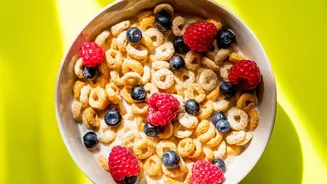
and plain yogurt. At the other end of the spectrum are ultra-processed foods (UPFs). These are not just modified foods; they are industrial formulations made mostly from substances extracted from foods or synthesized in a lab. Think of it this way: canned chickpeas are processed, but a microwaveable curry made with various powders, colour correctors, and flavour enhancers is ultra-processed. Common examples include instant noodles, packaged snacks, sugary cereals, chicken nuggets, and most soft drinks. These products often have long ingredient lists filled with emulsifiers, artificial flavours, and preservatives you wouldn't use in your own kitchen.
Why the Sudden Focus?
The concern around UPFs isn't new, but it has intensified due to a large and growing body of evidence. Recent large-scale studies have found consistent links between high UPF consumption and a range of negative health outcomes. Some of the latest research even suggests that the industrial processing itself—the way the food's structure is broken down and rebuilt—may have harmful effects, independent of the high sugar, salt, and fat content. In India, the scrutiny is particularly relevant. Studies show the market for UPFs grew at a staggering rate of over 13% annually between 2011 and 2021, with these products rapidly replacing more traditional, home-cooked meals. This shift in diet is a major public health concern, as it coincides with rising rates of non-communicable diseases.
The Key Health Concerns
The research paints a concerning picture. Multiple major studies have associated diets high in UPFs with an increased risk for a host of health issues. These include a higher likelihood of developing obesity, type 2 diabetes, and cardiovascular diseases like heart attacks and high blood pressure. But the impact doesn't stop there. Emerging evidence also links high UPF intake to a greater risk of depression, anxiety, and cognitive decline. Scientists believe these foods can contribute to chronic inflammation and disrupt the delicate balance of our gut microbiome, which plays a crucial role in both physical and mental well-being. Furthermore, UPFs are often designed to be 'hyper-palatable', meaning their intense combination of salt, sugar, and fat can override the body's natural fullness signals, encouraging overconsumption.
How to Be a UPF Detective
Spotting UPFs at the grocery store can be tricky, especially when packaging includes words like 'natural' or 'healthy'. A good rule of thumb is to check the ingredient list. If it’s very long (often more than five ingredients) and contains substances you don’t recognise or can't pronounce, it’s likely a UPF. Look for added sugars under various names (like corn syrup or dextrose), artificial sweeteners, hydrogenated fats, and additives like emulsifiers, stabilisers, and artificial colours. Don't be fooled by 'healthy' marketing on some breakfast bars, plant-based meat alternatives, or flavoured yogurts—many of these are considered ultra-processed. The simplest approach is to prioritise whole foods: items that don't need an ingredient list at all, like vegetables and fruits.
Finding a Practical Balance
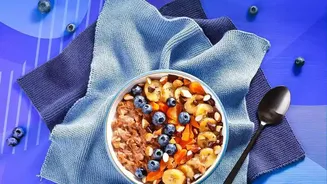
The goal isn't to live a life completely free of UPFs, which can be unrealistic given their convenience and affordability. Instead, the focus should be on reduction and awareness. Start by making small, manageable swaps. Could you replace a sugary breakfast cereal with plain oats and fruit? Could you swap a packaged cookie for a handful of nuts? Cooking more at home is one of the most effective ways to reduce UPF intake, as it gives you full control over your ingredients. It's about shifting the balance of your diet towards unprocessed and minimally processed foods, not about aiming for perfection or feeling guilty about the occasional convenience food. The key is to make conscious choices more often than not.