
Beyond Distance: The Real Measures of Difficulty
When choosing a trail, its length is only one piece of the puzzle. A short but steep hike can be far more demanding than a long, flat one. The two most important factors to consider are elevation gain and terrain. Elevation gain refers to the total amount
you'll be climbing. A trail with over 500 metres of gain is a significant workout, while those exceeding 1,000 metres are for the very fit. Terrain describes the trail's surface — is it a wide, paved path or a narrow, rocky track with loose stones and exposed roots? Parks Canada provides ratings, but always cross-reference with recent hiker reviews to understand the current conditions.
The 'Easy Walk': Scenery Without the Strain
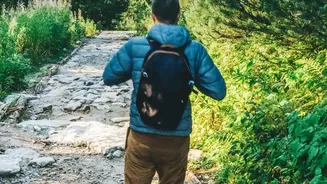
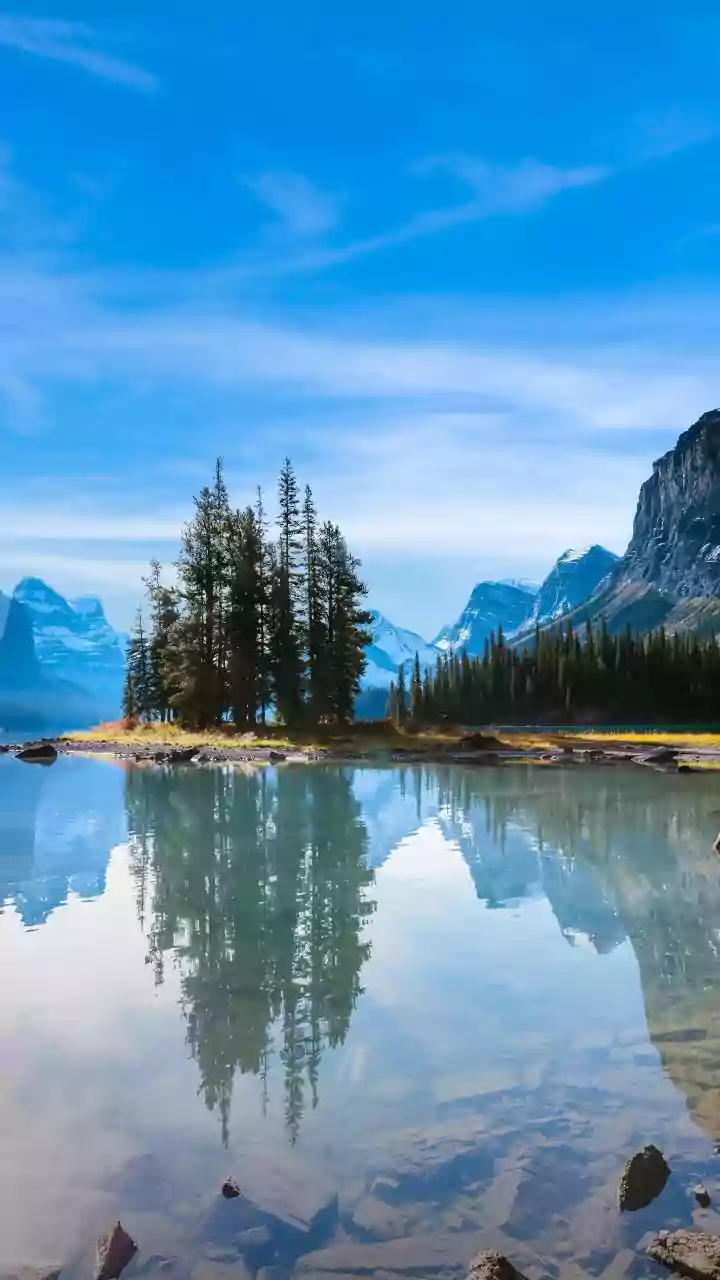
An 'easy walk' is perfect for families, casual sightseers, or those acclimatizing to the altitude. These trails are typically well-maintained, often paved or have a hard-packed surface, and feature minimal elevation gain, usually under 200 metres. They are generally shorter, ranging from one to five kilometres, and can be completed in under two hours. Think of the Fenland Trail or the Bow Falls Trail in Banff, both of which offer stunning forest and river views with almost no climbing. Another classic example is the Johnston Canyon's walk to the Lower Falls, which uses boardwalks to navigate the spectacular gorge. These paths let you soak in the grandeur of the Rockies without requiring specialized gear or peak physical fitness.
The 'Moderate Hike': A Step Up in Effort and Reward
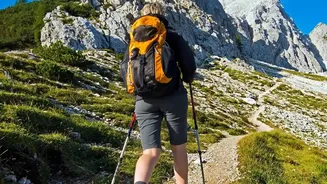
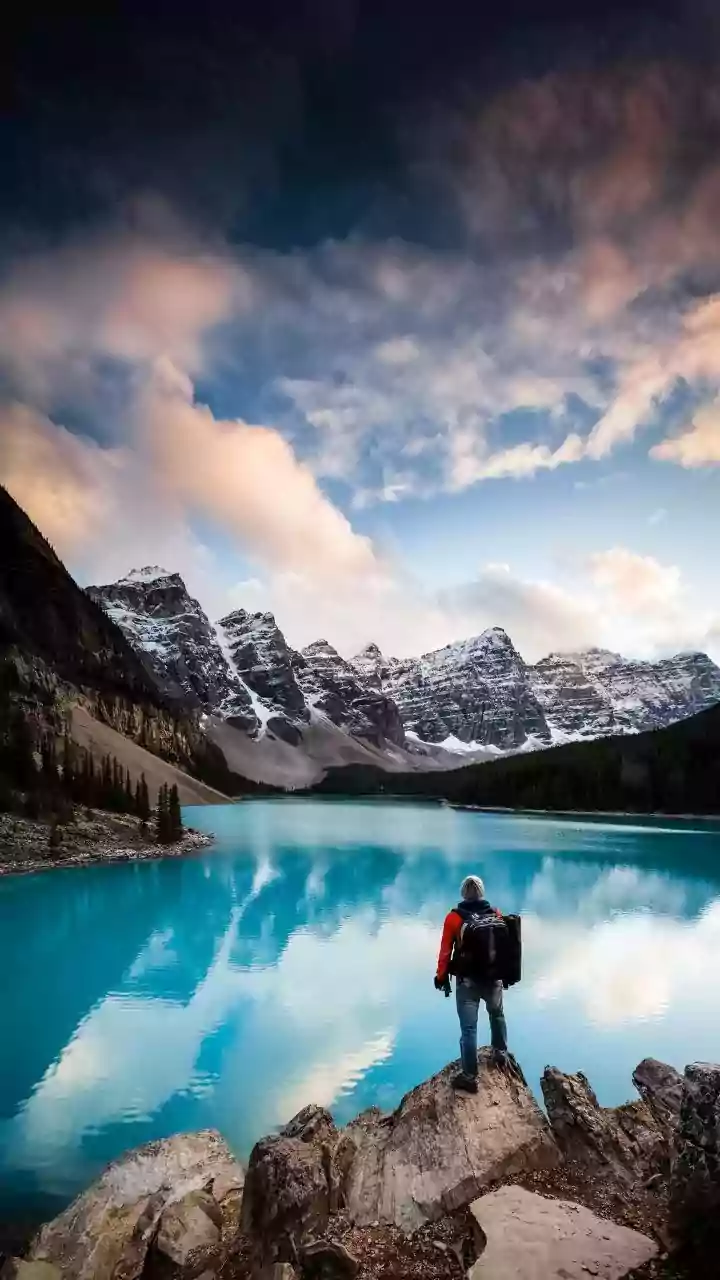
A moderate hike demands more commitment and a solid level of fitness. These trails involve noticeable elevation gain, often between 300 and 700 metres, over a distance that might range from five to fifteen kilometres. The path is likely to be uneven, with rocks and roots, and may include steeper sections that will get your heart pumping. Trails like the Cavell Meadows in Jasper or the Lake Agnes Tea House hike from Lake Louise fall into this category. You’ll climb steadily to reach breathtaking viewpoints, glacial lakes, or alpine meadows. For these hikes, sturdy footwear is non-negotiable, and you should carry a daypack with water, snacks, and extra layers, as weather can change rapidly.
The 'Serious Trek': Demanding and Potentially Technical
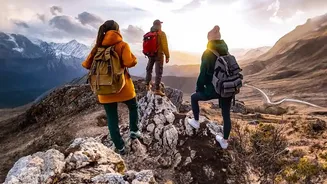
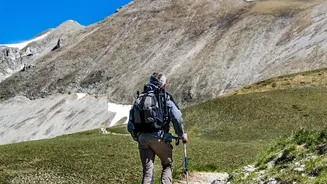
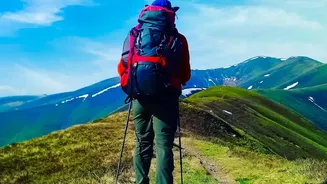
A 'serious trek' is a significant undertaking best reserved for experienced and well-prepared hikers. These routes often feature major elevation gain — frequently over 700 metres and sometimes up to 1,750 metres in a single day. The terrain can be challenging and technical, involving 'scrambling' where you'll need to use your hands for balance and to pull yourself up sections of rock. Trails like Sulphur Skyline in Jasper or the demanding ascent to Crypt Lake in Waterton Lakes National Park are prime examples. Navigation skills may be required as some routes are not clearly marked. These treks require careful planning, an early start, and a deep respect for the mountain environment.
Gear and Preparation: The Great Divide
The gear you need changes dramatically with the trail's difficulty. For an easy walk, comfortable shoes, a water bottle, and a camera might suffice. For a moderate hike, you'll need proper hiking boots or shoes, a daypack with the 'ten essentials' (including navigation, sun protection, extra layers, first-aid supplies), and plenty of water. For a serious trek, your pack becomes a lifeline. In addition to the essentials, you'll need trekking poles for stability on steep sections, a headlamp, possibly a helmet for scrambling routes, and bear spray that you know how to use. The more challenging the trail, the more self-sufficient you must be.