



Beyond the Big Booking Portals
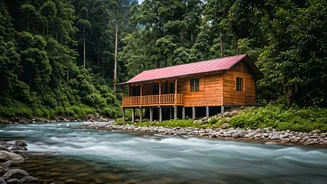
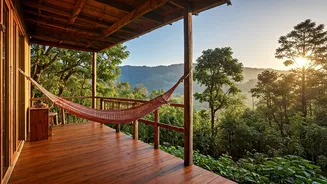
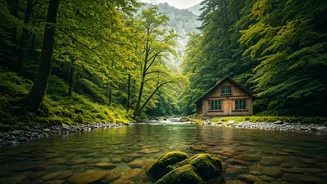
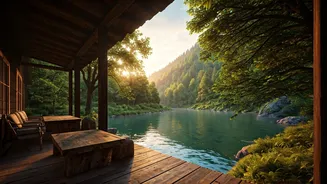
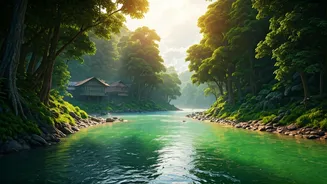
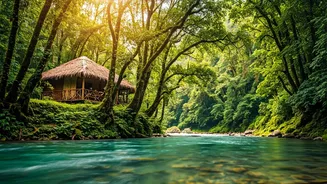
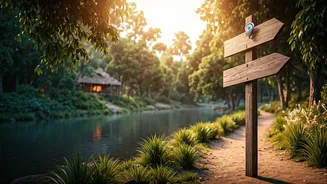
When we dream of Arunachal Pradesh, we picture waking up to the sound of a gushing river, surrounded by misty mountains. We imagine sipping tea on the porch of a bamboo hut, far from the tourist trail. Yet, finding these idyllic spots can be frustrating.
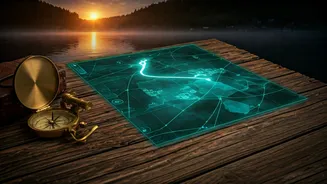
Mainstream travel websites and apps tend to feature larger, more established hotels, leaving the smaller, family-run homestays and eco-lodges undiscovered. This is where the power of crowdsourcing comes in. Instead of relying on commercial algorithms, you tap into the collective knowledge of a community of explorers—people who have already been there and have left digital breadcrumbs for you to follow. These crowdsourced maps are not just about locations; they are curated collections of experiences, recommendations, and honest reviews from fellow travellers.
Your Digital Compass: The Tools
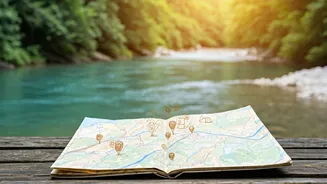
So, what are these “crowdsourced travel maps”? They aren’t a single app, but rather a collection of digital tools that leverage user-generated content. Your primary tool is likely already on your phone: Google Maps. Beyond simple navigation, its 'Lists' feature is a goldmine. Travellers often create public lists like “Arunachal Hidden Gems” or “NE India Road Trip Stops.” Another powerful resource is travel blogs and forums. Niche communities dedicated to motorbiking, trekking, or sustainable travel often have detailed posts with coordinates and contact numbers for remote stays. Websites like Reddit, with forums such as r/indiatravel, are filled with trip reports and user-created maps. Finally, newer trip-planning apps like Wanderlog or TripIt allow users to build and share detailed itineraries, which can often be browsed publicly.
The Art of the Search
Finding these riverside havens requires a bit of digital detective work. Start with specific keywords on Google. Instead of a generic “hotels in Arunachal,” search for “riverside homestay near Pasighat,” “Lohit river eco-lodge,” or “bamboo hut near Ziro.” When you find a promising name, pivot to Google Maps. Search for the name and scrutinise the user-submitted photos and reviews. Do the pictures show a river? Do reviews mention the sound of water? Look for phone numbers in the listing or in the review comments themselves—many small owners rely on direct calls for bookings. Cross-reference what you find on blogs and forums. A place mentioned positively by multiple independent travellers is usually a safe bet. Don't be afraid to zoom into the map and explore. Follow the path of a river like the Siang, Kameng, or Subansiri and look for icons indicating lodging. You’d be surprised what you can find.
What You Might Discover
This method opens up a world of unique accommodations. You could find a simple, family-run homestay on the banks of the Siang River, where you share meals with the hosts and learn about local Adi culture. You might uncover a cluster of eco-friendly tents set up by a local cooperative near the pristine waters of a tributary in the Ziro Valley, perfect for an evening bonfire. Imagine a wooden cottage overlooking the confluence of two rivers near Mechuka, accessible only by a suspension bridge. These are not just places to sleep; they are destinations in themselves. They offer a level of authenticity, peace, and connection to nature that a standard hotel rarely can. The reward for your search is an experience that is deeply personal and memorable.
Travel with Respect
Once you find these hidden gems, it's crucial to be a responsible guest. Many of these small establishments are the primary livelihood for a local family. When you book, try to call them directly. This ensures they receive the full payment without a commission being deducted by a third-party platform. Pack out what you pack in, be mindful of your water and electricity usage, and always be respectful of the local culture and environment. By choosing to stay at these places, you are not just getting a unique vacation; you are directly supporting the local economy and encouraging a sustainable model of tourism that helps preserve the very beauty you came to see.