




Decoding the Concrete Jungle's Fever
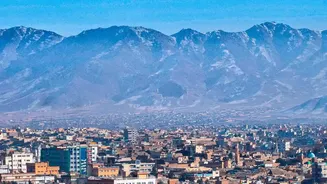
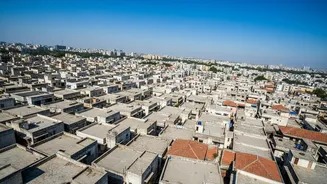
An Urban Heat Island (UHI) occurs when a metropolitan area is significantly warmer than its surrounding rural areas. The reason is simple: cities are landscapes of concrete, asphalt, and dense buildings. These materials are excellent at absorbing and retaining
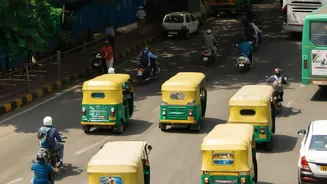
solar radiation during the day. Unlike natural landscapes with soil and vegetation, which cool the environment through shade and evapotranspiration (a process similar to sweating), urban surfaces slowly release the stored heat after sunset, keeping nights uncomfortably warm. This effect is amplified by waste heat from vehicles, air conditioners, and industrial processes, turning our cities into veritable ovens. Studies show this can make cities several degrees hotter than nearby countryside areas.
The Monsoon Paradox: Why Rain Isn't Cooling Us Down
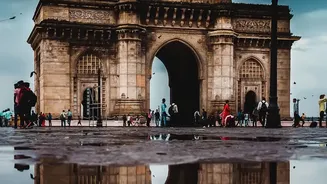
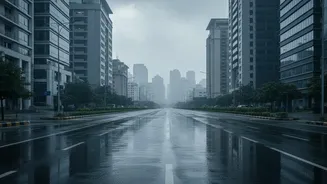
Logically, monsoon showers should bring down the temperature. While they do lower the air temperature momentarily, they introduce another variable: humidity. The rains saturate the air with moisture, and high humidity severely hampers the human body's primary cooling mechanism—sweating. Sweat cools us when it evaporates, but when the air is already full of water vapor, this process slows dramatically, making us feel hot and sticky even at lower temperatures. This sensation is known as the heat index, or the 'feels-like' temperature, which can be dangerously high during the monsoon. For example, between 2021 and 2025 in Delhi, the heat index often crossed 46-50°C in July and August despite lower actual temperatures, creating oppressive conditions.
The Real-World Impact on Indian Cities
This persistent humid heat is more than just a matter of discomfort. It poses significant health risks, including dehydration, heat exhaustion, and heatstroke, particularly for vulnerable populations like the elderly, children, and outdoor workers. The constant heat also places immense strain on our infrastructure. Energy consumption soars as air conditioners work overtime to battle the warmth, leading to higher electricity bills and increased pressure on the power grid. This increased energy use, often from fossil fuels, contributes to more greenhouse gas emissions, worsening the very climate change that intensifies heatwaves in the first place. Recent studies highlight that many Indian cities, such as Patiala, may warm up to twice as fast as surrounding rural areas, underscoring the urgency of the problem.
A New Frontier of Climate Research
The unexpected persistence of UHIs during the monsoon has become a critical focus for climate scientists in India. Researchers are now deploying more advanced tools to understand these complex dynamics. This includes using high-resolution satellite imagery to map temperature differences with greater precision and developing sophisticated climate models that account for local factors like building density and humidity. One key area of investigation is the interaction between humidity and urban materials. Scientists are exploring how different construction materials behave in humid conditions and how the dense layout of buildings, which creates 'urban canyons', traps both heat and moisture. This fresh research aims to move beyond seasonal emergency plans and develop year-round strategies to make our cities more resilient.
Can We Build Cooler Cities?
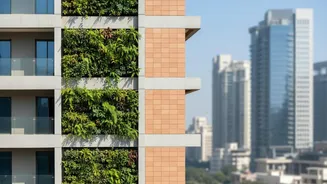
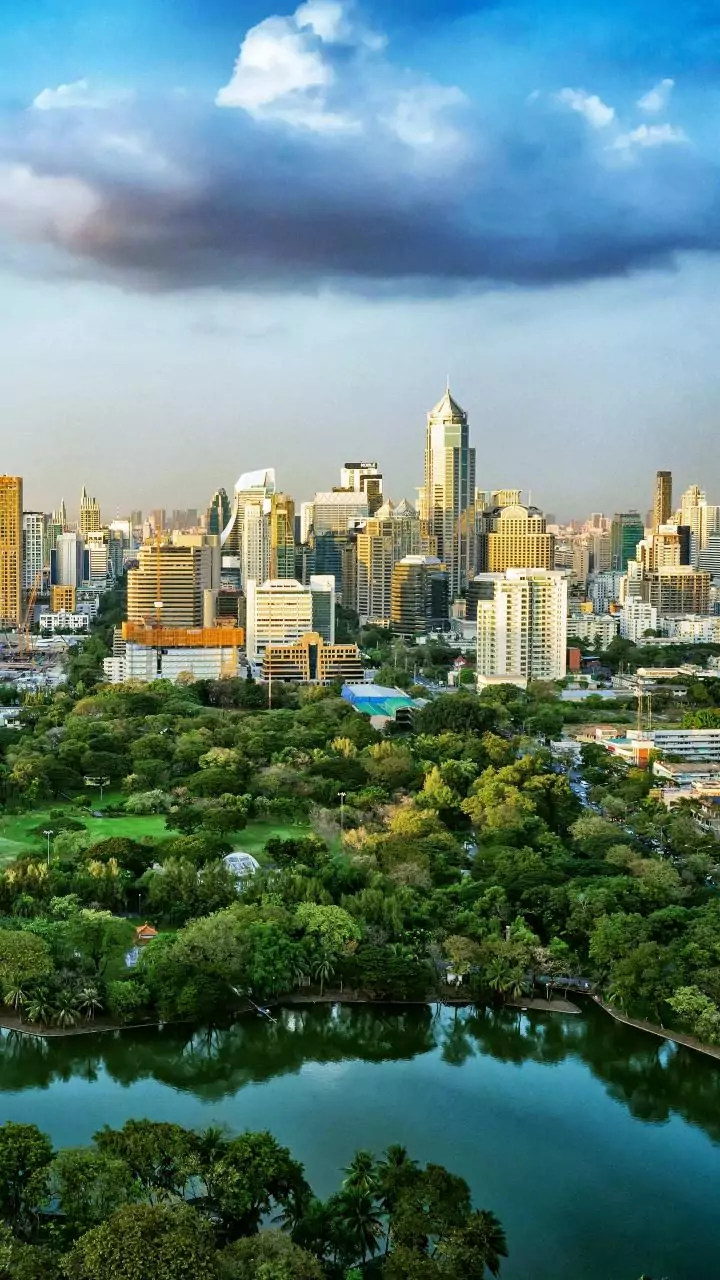
Fortunately, the challenge is not insurmountable. A growing body of research points toward effective mitigation strategies. 'Cool roofs'—surfaces coated with reflective paint or materials—can significantly lower indoor temperatures by reflecting sunlight instead of absorbing it. Expanding green infrastructure is another vital solution; this includes planting more trees, creating parks, and installing green roofs. These measures provide shade and promote cooling through evapotranspiration. Urban planning itself is being re-evaluated, with a push for 'blue-green infrastructure' that connects parks and water bodies to create cooling corridors. By combining these nature-based solutions with smarter building codes and public awareness campaigns, it is possible to counteract the UHI effect and build more livable, sustainable urban environments for the future.