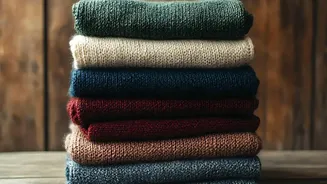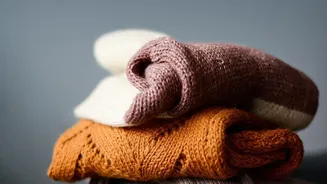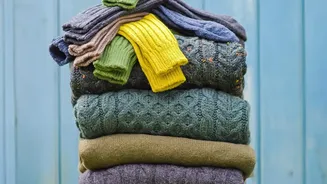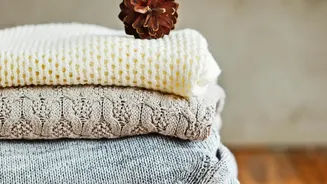




As winter approaches, our favourite woollen sweaters, shawls, and blankets come out of storage. But caring for them can feel daunting. This simple guide breaks down how to wash and care for your woollens, ensuring they stay soft and last for years.
Why Wool Needs Special Care
Wool
is a natural animal fibre with a unique structure. Unlike smooth synthetic fibres, wool has microscopic scales that can interlock when exposed to heat and excessive agitation. This interlocking is what causes wool garments to shrink and 'felt', becoming dense and stiff. The key to washing wool is to be gentle, avoid high temperatures, and use the right kind of soap to protect these delicate fibres. Because wool is naturally odour and stain-resistant, it requires less frequent washing than cotton or synthetics. Often, simply airing a garment out is enough to refresh it.
The Golden Rule: Check the Care Label
Before you do anything, always check the care label inside your garment. This tag is your most reliable guide. It will tell you if the item is hand-wash only, machine-washable, or requires dry cleaning. Many modern wool clothes are treated to be machine-washable, but you should never assume this. If the label is missing or unreadable, the safest approach is to hand-wash the item in cool water.
The Hand-Washing Method
Hand-washing is the gentlest and most recommended method for most woollens. Fill a clean basin or bucket with cool to lukewarm water, around 30°C. Hot water can cause shrinkage. Add a small amount of a pH-neutral, wool-specific liquid detergent. Brands like Wipro Safewash and other gentle, enzyme-free detergents are suitable options available in India. Submerge the garment, gently squeezing the soapy water through it. Avoid vigorous rubbing or twisting. Let it soak for about 10-30 minutes, then drain the soapy water and rinse thoroughly with clean, cool water until no suds remain.
Using Your Washing Machine Safely
If the care label permits machine washing, you can proceed with caution. Many modern washing machines have a dedicated 'wool' cycle, which is specifically designed to be gentle. Some machines even carry a Woolmark Apparel Care certification, guaranteeing a safe cycle for wool. If your machine doesn't have a wool setting, use the 'delicates' or 'hand wash' cycle with a cold water setting (maximum 30°C) and a slow spin speed. To protect your garment from snagging, it's a good idea to place it inside a mesh laundry bag before washing. Always use a mild, enzymefree detergent, as enzymes can damage wool fibres over time.
The Art of Drying Wool Properly
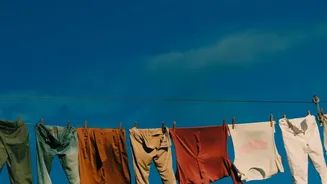
How you dry wool is just as important as how you wash it. Never, ever hang a wet wool sweater on a hanger or a clothesline. The weight of the water will stretch the fibres and permanently distort the garment's shape. The best method is to dry it flat. First, gently squeeze out excess water without wringing or twisting the fabric. Then, lay the garment on a thick, clean towel, roll the towel up with the sweater inside, and press down firmly to absorb more water. Finally, unroll it and lay the damp garment flat on a fresh, dry towel or a mesh drying rack, away from direct sunlight or heat. Reshape it to its original dimensions and let it airdry completely. This might take a day or two, but it is the crucial final step to preserving its shape.
Storing Woollens for the OffSeason
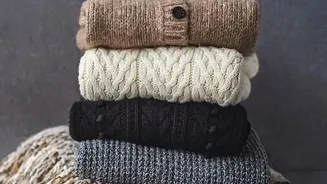
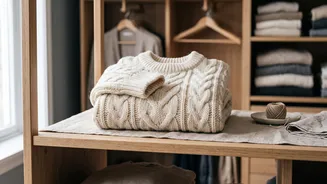
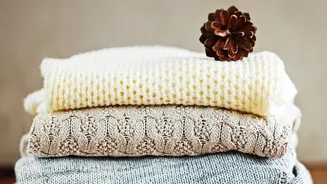
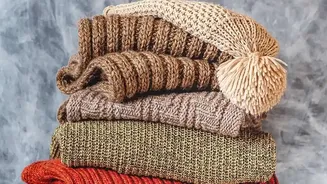
When it's time to pack your woollens away, make sure they are completely clean. Moths are attracted to body oils and food stains, not just the wool itself. Fold your garments neatly instead of hanging them to prevent stretching. Store them in a cool, dark, and dry place. Using breathable cotton storage bags is better than airtight plastic containers, which can trap moisture and lead to mildew. To naturally deter moths, you can add cedar blocks or lavender sachets to your storage area.