





Anxiety is Grounding Travellers
It’s a feeling many travellers know well: the sense of dread that creeps in long before takeoff. According to the 2026 Passenger IT Insights report from SITA, the aviation industry's leading IT provider, this stress is having a significant commercial
impact. The survey, which polled nearly 8,000 passengers across 24 countries, delivered a startling headline statistic: four in 10 travellers (42%) have decided against booking a trip specifically because they anticipated the airport experience would be too stressful. This isn't just a minor frustration; it's a major barrier to travel, representing lost revenue for airlines and airports. The findings suggest that the hassles on the ground are beginning to outweigh the appeal of the destination for a substantial portion of the public.
Pinpointing the Pain Points
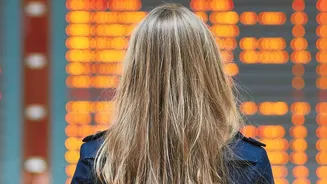
The survey data confirms what many travellers feel intuitively. The primary sources of anxiety are operational uncertainties: delays, long queues, and baggage concerns. The period between clearing security and reaching the boarding gate is a particular hotspot for stress. One-third of passengers now report feeling anxious during this 'dwell time', a threefold increase from 2023. This anxiety stems from the unknown: 'Will my flight be delayed?', 'How long is the security line?', 'Will my bags make it?'. This sustained uncertainty turns what should be a time for relaxing or shopping into a period of high alert, undermining the entire travel experience. The stress is even more pronounced among key demographics, with six in 10 frequent flyers and more than half of travellers under 30 admitting to cancelling a trip due to expected stress.
The Search for a Smoother Journey
While the problem is clear, passengers also see a clear solution: technology. A resounding eight in 10 travellers believe technology can reduce the stress associated with air travel. This is especially true for the younger and more frequent flyers who are most affected by anxiety; 86% of travellers under 30 and 89% of frequent flyers are confident that technology can help. What they want most is information and control. Passengers are asking for real-time updates pushed directly to their mobile phones, from changes in gate numbers and boarding times to live tracking of their luggage. Having the journey on their phone, much like they do during check-in and boarding, is where passengers report feeling the calmest.
Technology: The Double-Edged Sword
The solution isn't just about more apps, but smarter, more integrated systems. The goal is to create a seamless flow of information that empowers the passenger. According to SITA's CEO, David Lavorel, the key is data sharing between airlines, airports, ground handlers, and border agencies to provide a single, clear picture for the traveller. This eliminates the 'not knowing' that fuels most of the anxiety. Interestingly, passengers are becoming more comfortable with advanced technologies like Artificial Intelligence to manage this. Four in 10 travellers stated they would be willing to receive real-time journey updates generated by AI. The UAE serves as a strong case study, where 77% of passengers used technology at border control and reported significantly lower negative emotions compared to the global average.
From Stress to Seamless
The SITA report frames passenger anxiety not just as a wellness issue, but as a critical commercial one. 'Every trip we win back is a seat filled, a parking space sold and a coffee bought', noted Lavorel. By addressing the core drivers of stress, the industry can unlock suppressed demand. For the passenger, this means a future where your phone tells you the security queue is short, gives you an accurate walking time to the gate, and confirms your bag is on the plane before you even board. This shift transforms the airport from a place of hurdles and uncertainty into the calm, exciting start of an adventure. For the travel industry, creating this sense of calm is no longer just a customer service goal—it's a growth strategy.