




The Humid Danger Zone
The combination of high humidity and warm temperatures during the monsoon is the main culprit behind food spoilage. This damp environment accelerates the growth of mould and bacteria like E. coli and Salmonella. Food that might be safe for hours in other
seasons can become risky much faster. Cooked food, cut vegetables, and even dry goods are all vulnerable. Understanding this risk is the first step toward protecting your food and health. Meal prepping requires extra vigilance, as storing chopped produce or cooked batches gives microbes more opportunity to thrive if not handled correctly.
Fortify Your Dry Storage
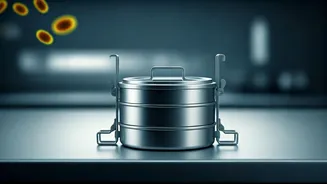
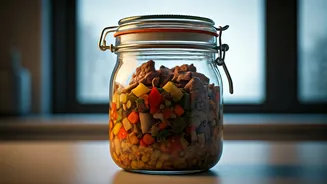
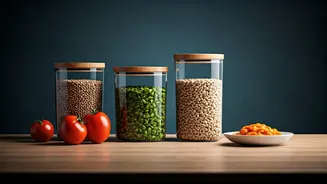
Your pantry staples are the first line of defence against meal prep failure. Humidity can turn crisp biscuits soggy, make flour rancid, and encourage bugs in your grains and spices. The most crucial step is to transfer everything from their original bags into completely dry, airtight containers immediately after purchase. Glass or steel containers are often better than plastic for creating a strong seal. For items like rice, lentils, and flour, consider adding a few dried bay leaves to deter pests. Some experts also suggest lightly roasting grains or spices before storing them to remove any existing moisture.
Master Your Refrigerator
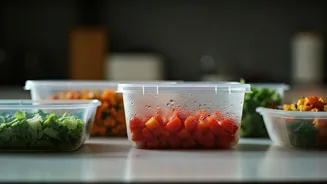
Your fridge works harder during the monsoon. To help it, ensure the temperature is set correctly, ideally between 2°C and 4°C, to effectively slow bacterial growth. When storing meal-prepped ingredients or leftovers, always use airtight containers made of glass or steel. Allow hot food to cool down to room temperature before refrigerating to prevent condensation from forming inside the container, which creates extra moisture. A key rule is to keep raw meat and produce separate from cooked food to avoid cross-contamination. Also, avoid overcrowding your fridge, as proper air circulation is vital for consistent cooling.
Smarter Produce Prep
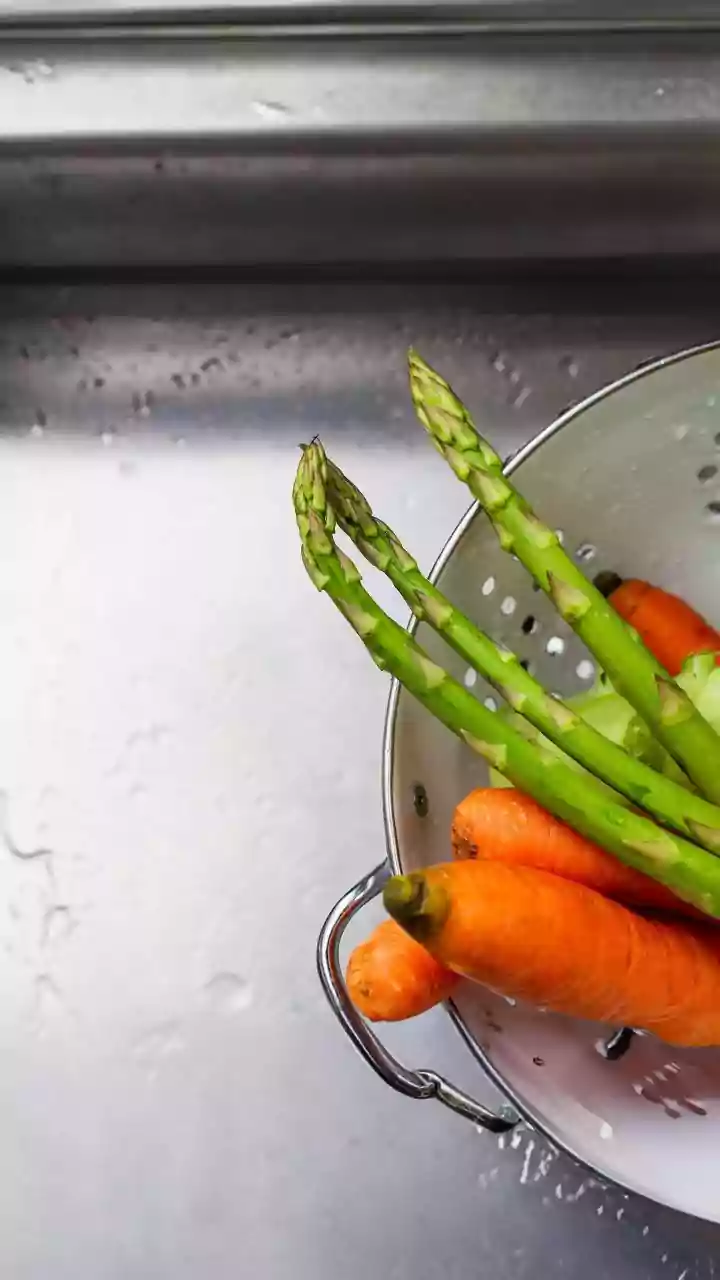
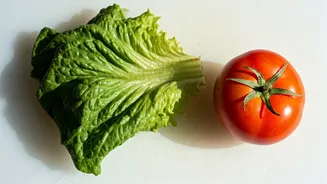
Fresh fruits and vegetables are particularly susceptible to spoilage. After washing produce, dry it thoroughly before storage; a salad spinner is excellent for leafy greens. Store greens wrapped in paper towels inside a bag to absorb excess moisture. For meal prep, it's safer to store vegetables whole and chop them just before cooking. If you must pre-chop, store them in airtight containers in the fridge and use them within a day or two. Avoid leaving cut fruits and salads out; consume them immediately after preparation. Some vegetables can be blanched and then frozen, which is a great meal prep strategy that preserves them for longer.
Rethink Your Cooking Strategy
The humidity means leftovers have a shorter, more precarious lifespan. Instead of cooking large batches meant to last the whole week, consider prepping ingredients but cooking smaller, fresher meals every day or two. This minimises the risk of cooked food spoiling. When you do have leftovers, cool them quickly and get them into the fridge within two hours. When reheating, only take out the portion you plan to eat; repeatedly heating and cooling a large batch increases the risk of contamination. Freezing pre-portioned meals or ingredients is another excellent strategy for safer long-term storage during the monsoon.