



The Allure of Ancient Wisdom
For generations, kitchens across India have doubled as pharmacies, with spices used not just for taste but for their therapeutic properties. Ayurvedic tradition, an ancient system of medicine, is built on the concept of 'Agni' or digestive fire. Spices
are seen as the primary tools to stoke this fire, ensuring food is processed efficiently. This belief, passed down through grandmothers and family recipes, holds that blends like garam masala or a pinch of asafoetida can soothe an upset stomach, prevent gas, and keep the entire digestive system in harmony. It’s a comforting and powerful idea: that the same ingredients creating a delicious meal are also nurturing our bodies from within.
Garam Masala: A Warming Wonder?
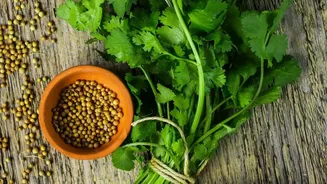
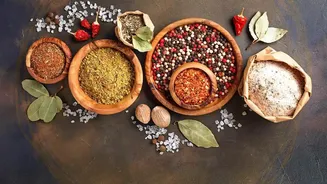
Garam masala, meaning 'warm spice mix', is a quintessential Indian blend. Recipes vary, but they often include cinnamon, cloves, cumin, coriander, and black pepper. Traditionally, it's believed to raise body temperature and boost a sluggish metabolism. Modern science offers some support for the individual components. Cumin has been shown to stimulate digestive enzymes, while black pepper contains piperine, a compound that not only aids digestion but also dramatically increases the absorption of other nutrients, like the curcumin in turmeric. A small study even found that a meal with garam masala was associated with a faster digestive transit time. However, while the parts have benefits, there is no large-scale clinical evidence to suggest the blend as a whole 'cures' digestive diseases. It aids the process, but it isn't a prescription.
Hing and Ajwain: The Gas-Busting Duo
Anyone who has felt the discomfort of bloating or gas has likely been offered a home remedy involving ajwain (carom seeds) or hing (asafoetida). These are two of the most potent digestive aids in the Ayurvedic toolkit. Ajwain contains thymol, a compound that enhances the activity of digestive enzymes and helps relieve gas and indigestion. Hing is a powerful anti-spasmodic that helps relax the intestinal muscles, which is why it's traditionally added to lentil and bean dishes to prevent flatulence. While both are effective for providing quick relief from symptoms, with hing often acting faster for bloating and ajwain for overall digestion and acidity, they are best seen as powerful symptom managers, not a cure for chronic underlying conditions.
Turmeric and Ginger: The Power Couple
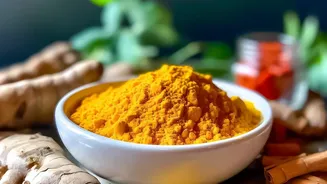
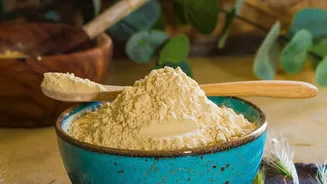
Turmeric and ginger are perhaps the most researched of all traditional spices. Ginger is a well-documented star for digestive health, proven to speed up how quickly the stomach empties, which helps reduce feelings of fullness, nausea, and indigestion. Turmeric’s active compound, curcumin, is a potent anti-inflammatory. Studies have shown it can support the gut lining, promote healthy gut bacteria, and even show promise in helping manage symptoms of inflammatory bowel conditions. One trial found curcumin was comparable to a common medication for functional dyspepsia. But context is key. These benefits are often observed with concentrated extracts, not just the amounts used in daily cooking. They support health but don't replace medical treatment.
Taste Is Guaranteed, Cures Are Not
The science is clear: individual spices used in traditional blends possess remarkable properties. They can stimulate digestive enzymes, reduce inflammation, relax intestinal muscles, and support a healthy gut microbiome. Incorporating these spices into your diet absolutely contributes to better digestive wellness. However, it is crucial to distinguish between 'supporting digestion' and 'curing a disease'. A sprinkle of chaat masala adds tang and may help with feelings of fullness, but it will not resolve chronic irritable bowel syndrome (IBS) or gastritis. These blends are a delicious and beneficial part of a healthy lifestyle, but they are not a substitute for professional medical advice or treatment for persistent digestive problems.