


The Puzzle of Protein
Protein is a crucial building block for our bodies, essential for everything from muscle repair and growth to immune function. Proteins are made up of smaller units called amino acids. Our bodies need 20 different amino acids, but nine of them are considered
"essential" because we cannot produce them ourselves and must get them from food. A food source that contains all nine of these essential amino acids in adequate amounts is called a "complete protein". Most animal-based foods like meat, eggs, and dairy fall into this category.
The Plant-Based Protein Gap
For vegetarians and those who rely heavily on plant-based foods, getting complete protein can be a bit more complex. Most plant foods, such as grains, nuts, and legumes, are considered "incomplete" proteins because they are low in one or more of the essential amino acids. This doesn't mean they are less healthy, but it does mean that some thought needs to go into meal planning to ensure all nutritional bases are covered. This is particularly relevant in India, where a significant portion of the population follows a vegetarian diet and cereals form a major part of protein intake.
The Science of Complementation
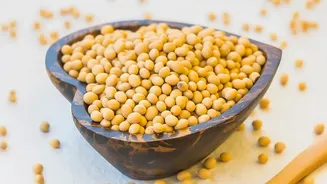
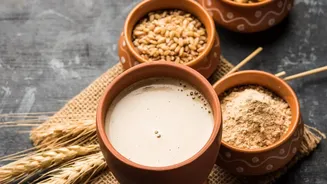
This is where the wisdom of traditional Indian cuisine shines. The practice of combining different plant foods to create a complete protein is known as protein complementation. It turns out that the amino acid profiles of cereals and pulses are a near-perfect nutritional match. Cereals like rice and wheat are typically low in the essential amino acid lysine but contain sufficient amounts of methionine. Pulses, which include all types of dals, chickpeas, and beans, are rich in lysine but low in methionine. When you eat them together, each food fills the nutritional gap of the other, creating a meal with a complete amino acid profile that is comparable in quality to animal protein.
A Match Made in the Kitchen
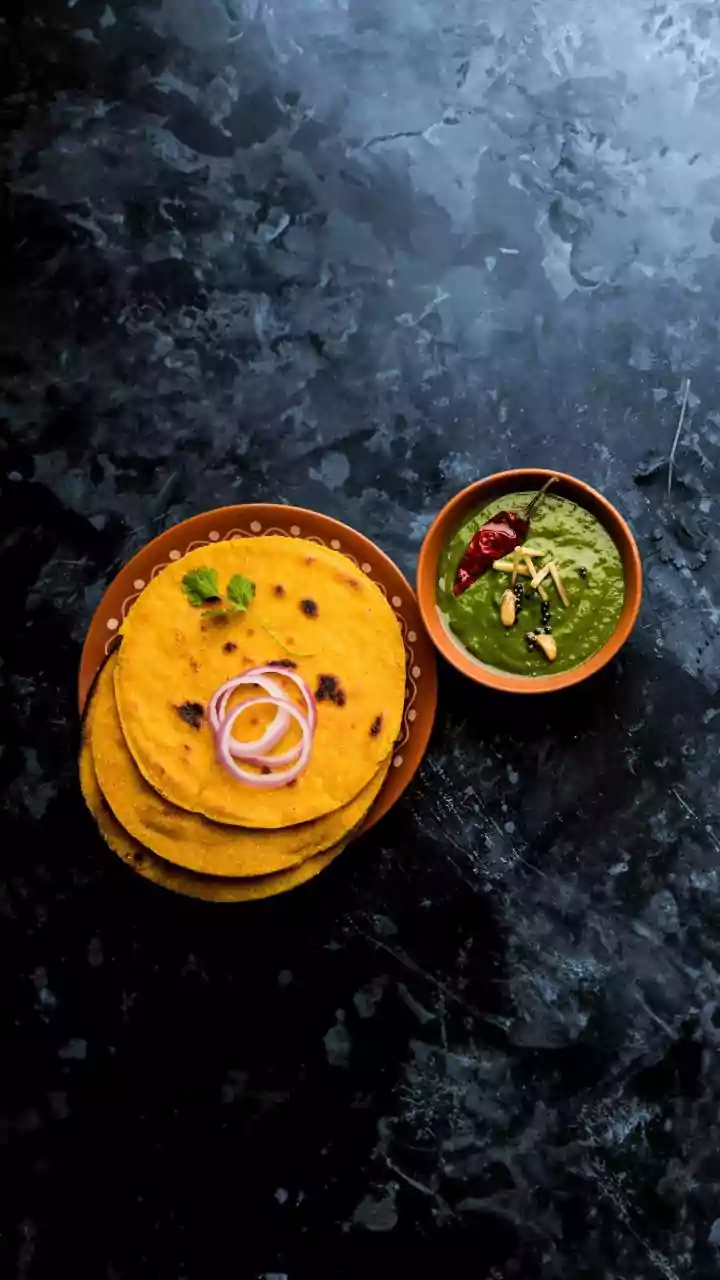
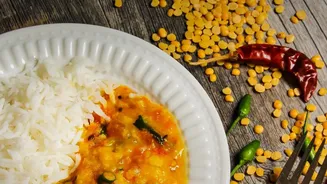
This principle is the silent science behind many of India's most beloved and staple dishes. The simple dal-chawal is a perfect example of protein complementation in action. The same is true for roti-dal, where wheat provides what the dal lacks, and vice versa. This synergy extends across the country's diverse culinary landscape. Think of rajma-chawal from the north, the fermented batter of rice and urad dal used for idli and dosa in the south, and the humble, all-in-one meal of khichdi. All these timeless combinations were designed, perhaps intuitively, to deliver superior nutrition.
Beyond Just Protein
The benefits of combining cereals and pulses go beyond creating complete proteins. This pairing also provides a rich mix of complex carbohydrates for sustained energy, dietary fibre that aids digestion and helps regulate blood sugar, and a host of essential vitamins and minerals. For instance, the fibre in dal can aid in the better absorption of nutrients from rice. This combination makes for a balanced, low-fat, and heart-healthy meal that promotes satiety, which can help in weight management.