





The Quiet Luxury Revolution
For decades, status was broadcast. It was the recognizable logo on a handbag, the gleaming hood ornament on a car, or the designer tag peeking from a collar. Luxury was about being seen and, more importantly, being recognized. But a significant cultural
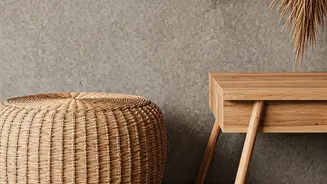
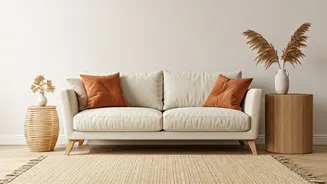
shift is underway. We are moving from an era of conspicuous consumption to one of considered consumption. The new status symbol isn’t about shouting your worth; it’s about whispering your values. This movement, often dubbed 'quiet luxury,' prioritizes craftsmanship, quality, and subtlety over overt branding. At the heart of this revolution are natural materials, which have become the ultimate signifiers of taste, discernment, and a modern approach to living well.
The Psychology of Authenticity
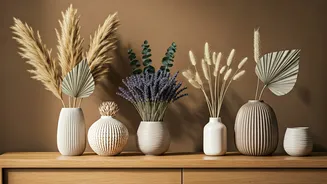
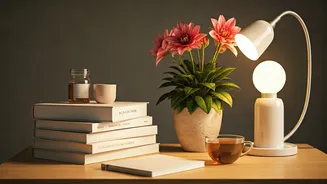
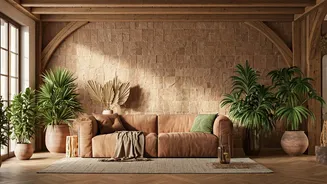
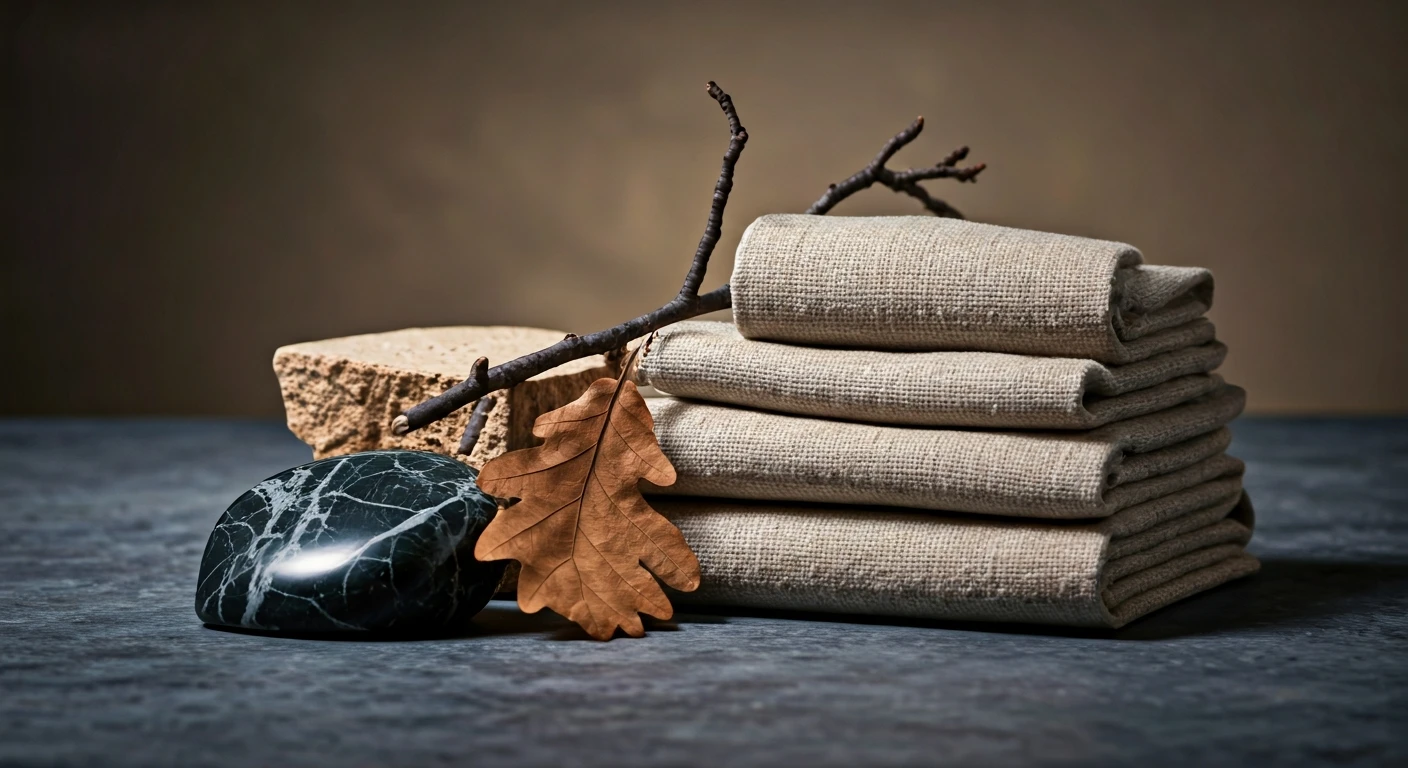
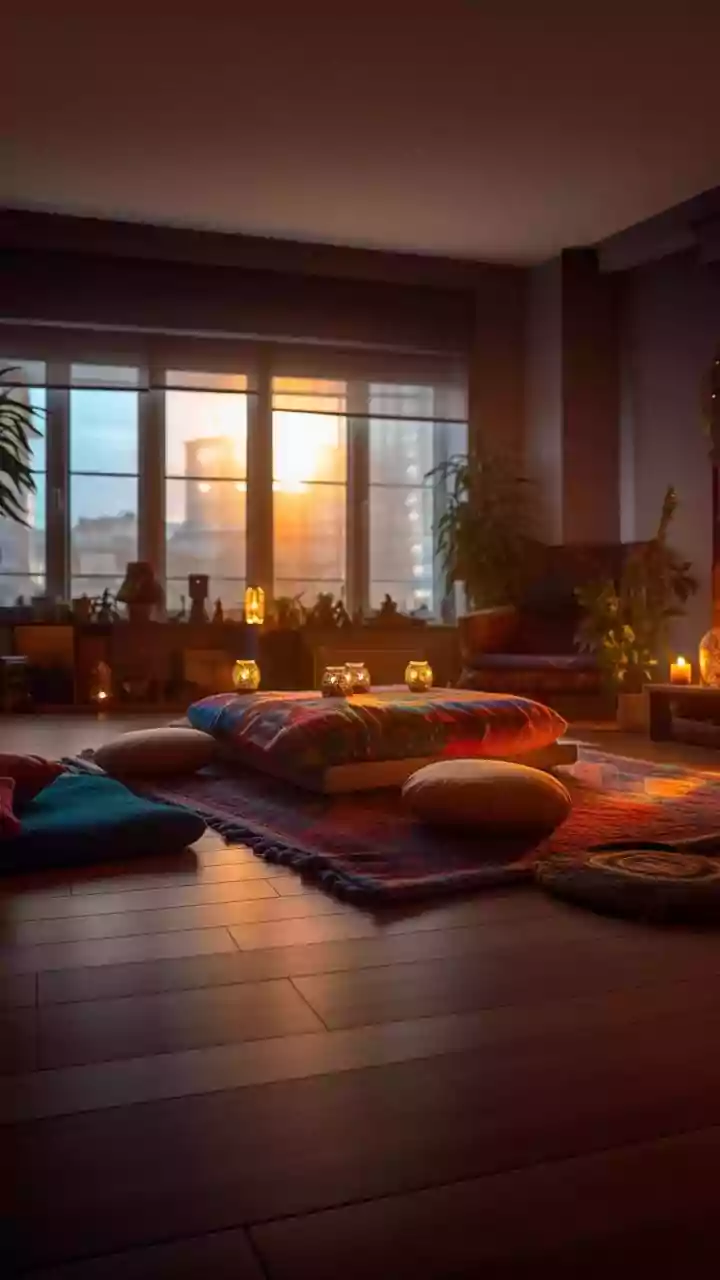
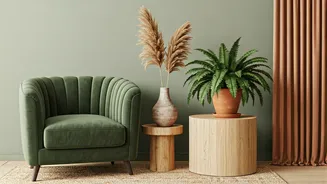
So, why the sudden reverence for wood, stone, linen, and clay? In an increasingly digital, fast-paced, and synthetic world, there is a deep-seated human craving for authenticity and connection. Natural materials ground us. The imperfections in a piece of handcrafted pottery, the unique veining in a marble slab, or the soft, rumpled texture of pure linen offer a sensory experience that mass-produced plastic or polyester simply cannot replicate. They tell a story of origin, of time, and of the earth itself. Owning them isn’t just about aesthetics; it’s about curating an environment that feels real, calming, and connected to nature—a concept known as biophilic design. This connection to wellness and mindfulness is, for many, the greatest luxury of all.
India’s Artisanal Renaissance
This global trend finds a particularly resonant echo in India, a country with an unparalleled legacy of craftsmanship and indigenous materials. For centuries, Indian luxury was defined by the finest natural resources: the intricate weave of Banarasi silk, the enduring strength of teak wood from the Western Ghats, the cool elegance of Makrana marble. Today, a new generation of Indian designers and architects is looking inward, championing these very materials. They are reviving ancient techniques and reinterpreting them for contemporary homes and wardrobes. Think minimalist furniture made from locally sourced cane and bamboo, architectural spaces that celebrate exposed brick and Kota stone, and fashion that puts handwoven khadi and organic cotton front and centre. It’s a powerful reclamation of our own heritage, presented with modern sophistication.
A Statement of Values
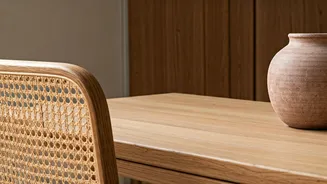
Choosing natural materials is also a powerful statement of values. In a world grappling with climate change and the impact of disposable culture, opting for sustainable, durable, and biodegradable materials is a conscious ethical choice. It signals an appreciation for things that are made to last, a respect for the artisans who create them, and a rejection of the fast-fashion, use-and-throw mentality. A solid wood table, for example, isn’t just a piece of furniture; it's an investment that can be passed down through generations. A hand-loomed textile is not just a piece of cloth; it's a testament to skill and patience. This focus on longevity and sustainability has become a new, more meaningful way to display wealth—not of money, but of foresight and principle.