




The Power of Shared Solo Maps
First, let's demystify the tool. "Shared Solo Maps" isn't a single app you download, but a concept gaining huge traction among modern explorers. It refers to community-curated digital maps, often built on platforms like Google My Maps or specialised travel
forums. Here, solo travellers and small groups pin their discoveries—hidden viewpoints, tiny eateries, and, most importantly, authentic homestays. Each pin is a story, often with crucial details like the host’s contact number, a rough price per night, a note about the food, and tips on how to get there. This collective intelligence cuts through commercial listings, leading you directly to places that offer genuine hospitality at a fair price.
Why Arunachal’s Riversides Are a Backpacker's Paradise
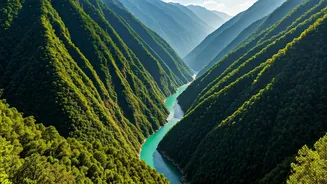
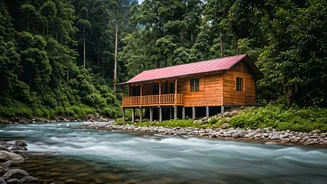
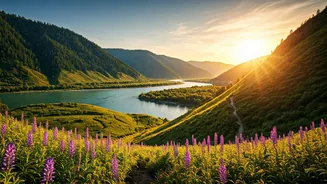
Arunachal Pradesh is crisscrossed by some of the most powerful and pristine rivers in the country—the Siang, Lohit, Subansiri, and Dibang among them. Life in many parts of the state revolves around these waterways. This means that some of the most serene and culturally rich experiences are found right on their banks. A riverside homestay isn’t just a place to sleep; it’s an immersive experience. You wake up to the sound of rushing water, share meals cooked with fresh local ingredients by an Apatani, Idu Mishmi, or Adi family, and spend your days watching the river change colours. For budget travellers, these homestays offer incredible value, bundling accommodation, food, and priceless cultural exchange into one affordable package.
How to Use the Maps to Find Your Stay
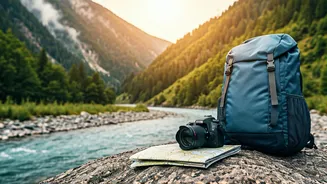
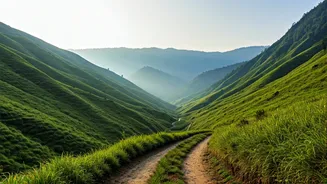
Your treasure hunt begins online. Search for travel blogs, Facebook groups (e.g., "Backpacking North East India"), or Reddit threads focused on Arunachal. Travellers often share links to their personal travel maps here. Once you find one, zoom into the regions that interest you. Look for pins clustered along rivers. For example, search around Pasighat to find Adi homestays along the mighty Siang river, or explore the area around Roing for Idu Mishmi hospitality near the Dibang. The Ziro Valley, while famed for its paddy fields, has streams and small rivers where you might find pins for idyllic Apatani homes. The map notes are your guide. Look for comments like "₹800/night with meals," "Ask for Mr. Tame; his house is by the bridge," or "Amazing home-cooked pork and rice wine."
Key Tips for Booking and Staying
Community-sourced information is powerful but requires a bit of groundwork. First, always try to verify. If a phone number is listed, call ahead. This confirms the homestay is still operational and allows you to build a rapport with the host. Don't haggle aggressively; the prices are usually very reasonable for the value provided. Ask about what’s included—typically, it’s a bed and two or three meals. Second, manage your expectations. These are homes, not hotels. Luxury is the warmth of your host and the stunning nature outside your window, not high-thread-count sheets or room service. Finally, be a good guest. Respect the local culture, conserve resources, and consider leaving a small gift or a heartfelt thank-you note. Your positive experience, when shared back to the community map, helps the next traveller.
Beyond the Homestay: What the Maps Reveal
These shared maps are more than just accommodation finders. They are complete travel guides. Fellow travellers will pin waterfalls that aren't in any guidebook, the best spot to sit and watch the sunset over the river, or the location of a weekly local market. You might find a pin for a small shack that serves the best thukpa in town or directions to a suspension bridge offering breathtaking views. By tapping into this shared knowledge, you can build an itinerary that is uniquely yours and deeply connected to the place you're visiting, all while supporting local communities directly and keeping your travel footprint light and affordable.