







Understanding the Delta Aquariids
The Delta Aquariid meteor shower is an annual celestial event, active from mid-July to late August. It originates from the debris left behind by Comet 96P/Machholz. While not as intense as the more famous Perseids in August, the Delta Aquariids offer
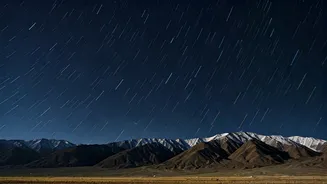
a steady stream of meteors, with a typical rate of 15 to 20 per hour under ideal conditions. These meteors are often faint, so finding a dark sky is essential for a good viewing experience. In 2026, the shower is expected to peak around July 30. However, this coincides with a nearly full moon, which will unfortunately wash out many of the fainter shooting stars. This makes your choice of viewing location and timing even more critical.
The Ladakh Advantage: A Stargazer's Paradise
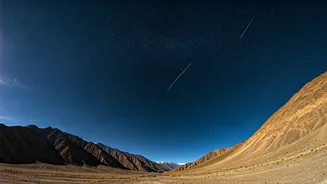
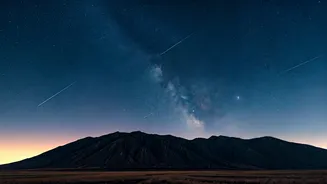
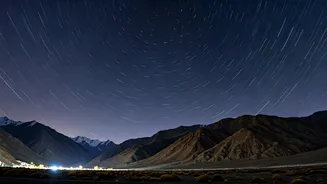
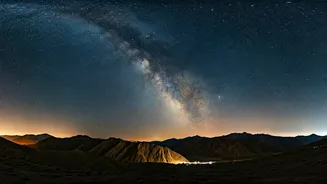
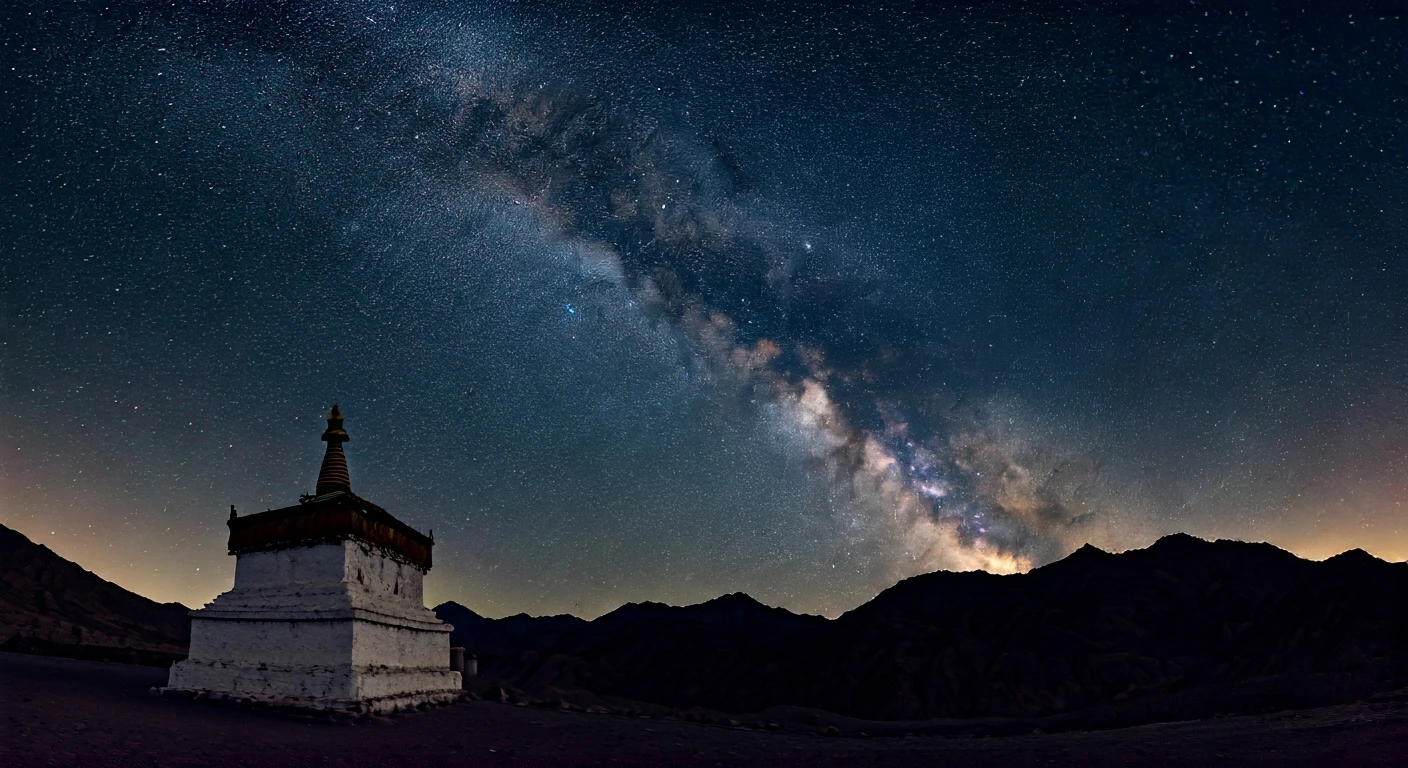
There is a reason why astronomers and photographers flock to Ladakh: its skies are among the clearest and darkest in the world. The region's high altitude means there is less atmospheric haze to obscure the view. Combined with minimal light pollution and a dry climate, Ladakh offers near-perfect conditions for stargazing. Villages and landscapes are spread out, and the lack of major urban centres ensures that once you are away from Leh, the sky reveals its full glory. It’s a place where the Milky Way is often visible to the naked eye, providing a breathtaking backdrop for any meteor shower.
Best Viewing Spots in Ladakh
While almost any remote spot in Ladakh is good for stargazing, a few locations stand out. Hanle, home to the Indian Astronomical Observatory and India's first Dark Sky Reserve, is arguably the best place in the country for celestial viewing. Its remoteness guarantees pristine dark skies. Another excellent choice is Tso Moriri; this high-altitude lake is less frequented than Pangong Tso, offering a tranquil setting where stars reflect on the water's surface. The vast, open landscapes of the Nubra Valley also provide an exceptional canvas for watching meteors streak across the sky.
Your Viewing Strategy for 2026
Given the bright full moon during the 2026 peak on July 29-30, your best bet is to plan your viewing session in the week leading up to the peak. Aim for the moon-free mornings between July 21 and July 26. The optimal time to watch is in the pre-dawn hours, generally between 2 a.m. and 4 a.m., when the shower's radiant point—the constellation Aquarius—is at its highest in the southern sky. Lie back on a blanket or reclining chair and allow your eyes at least 20-30 minutes to fully adjust to the darkness; this will help you spot the fainter meteors. Avoid looking directly at the radiant point; instead, look about 45 degrees away from it to see longer meteor trails.
What to Pack for a Night Under the Stars
Ladakh nights are cold, even in summer, with temperatures often dropping below freezing at high altitudes. Dressing warmly is non-negotiable. Pack multiple layers of clothing, including thermal wear, a fleece jacket, and a windproof outer layer. A warm hat, gloves, and thick socks are essential. Bring a comfortable blanket or a sleeping bag to lie on. A thermos filled with a hot beverage like tea or coffee will help you stay warm and alert through the early morning hours. Lastly, use a red-light torch instead of a regular flashlight; the red light will preserve your night vision, allowing you to see more stars.