

The Golden Rule: Check Before You Water
Forget a strict watering schedule this month. The single most important habit for an August gardener is to check the soil’s moisture before reaching for the hose or watering can. The easiest method is the finger test: push your index finger about two
inches into the soil. If it comes out dry, it’s time to water. If it feels moist, hold off. During the monsoon, soil that used to dry out in a day might now stay damp for three or four days, making overwatering a significant risk. This simple, tactile check is your best defence against root rot, the most common plant killer during the rainy season.
Prioritise Drainage, Especially in Pots
Waterlogging is the enemy of healthy roots. When soil is saturated, roots are deprived of oxygen and begin to suffocate. For container gardens, this is a critical focus. Before the next downpour, ensure every pot has clear, unobstructed drainage holes at the bottom. Elevating pots on stands or simple bricks can also prevent them from sitting in pools of water on your balcony or terrace. The soil mix itself is your first line of defence. Avoid heavy, dense garden soil, which compacts easily. Instead, use a lighter, porous potting mix that combines soil with compost and materials like cocopeat or sand to improve aeration and let excess water escape freely.
Timing is Everything: Water in the Morning
The best time to water your plants is early in the morning, between 6 AM and 8 AM. Watering at this time is efficient because cooler temperatures mean less water is lost to evaporation. It provides the plant with the moisture it needs to get through the hottest part of the day. Crucially, it also allows the plant’s leaves to dry completely before nightfall, which significantly reduces the risk of fungal diseases like powdery mildew that thrive on damp foliage overnight. If mornings are impossible, early evening is the next best option, but always try to avoid watering in the midday sun when evaporation is at its peak.
Know the Signs of Overwatering
An overwatered plant can often look like an underwatered one, which leads many well-intentioned gardeners to add even more water. The most common sign of too much moisture is yellowing leaves, especially older ones near the base of the plant. Other indicators include drooping or wilting, even when the soil is wet, a lack of new growth, and a sour or rotten smell coming from the pot, which indicates root rot has set in. Pests like fungus gnats also thrive in constantly damp conditions. Learning to recognise these signs early allows you to correct the issue by improving drainage and reducing watering frequency before the damage becomes irreversible.
Adjust for Different Plant Needs
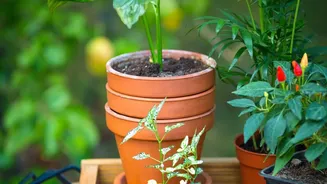
Not all plants have the same thirst. Potted plants, especially those in smaller terracotta pots and hanging baskets, will dry out much faster than plants in large containers or in the ground. They need to be checked more frequently. Indoor plants also require less water during the monsoon, as higher indoor humidity slows down soil drying. Meanwhile, newly planted saplings need consistent moisture to establish their root systems. Vegetables that are actively producing fruit, such as tomatoes or bhindi, may also need more regular watering than leafy greens. Pay attention to individual plants rather than applying a one-size-fits-all approach to your entire garden.