



Why Cats Need to Climb
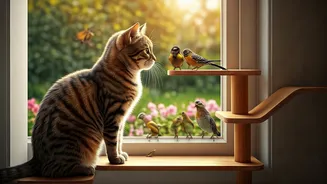
A cat’s desire to climb is a deeply ingrained instinct. In the wild, their ancestors sought high ground to survey their territory, spot prey, and evade predators. [7] For domestic indoor cats, this instinct remains just as strong. Access to vertical space
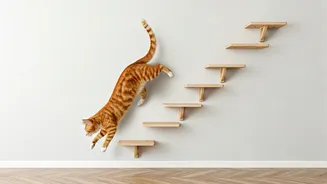
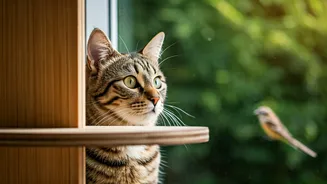
provides a sense of security, allowing them to observe household activities from a safe, untouchable vantage point. [1, 2, 7] This reduces stress and anxiety, which can otherwise lead to behavioral issues like excessive grooming or aggression. [2, 12] Furthermore, climbing is a fantastic form of exercise. The jumping and maneuvering required to scale a set of wall steps engage core muscles, improve balance, and help prevent obesity, a common health concern for indoor pets. [1, 12]
Planning Your Cat's Vertical World
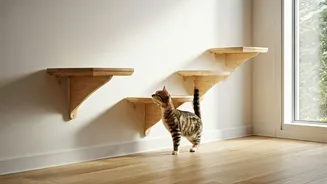
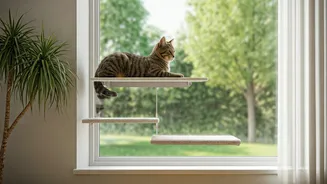
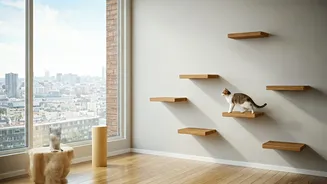
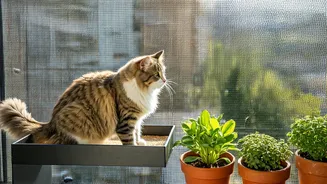
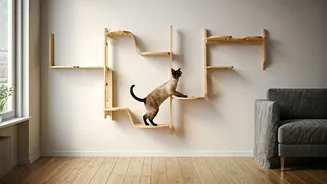
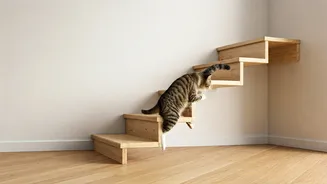
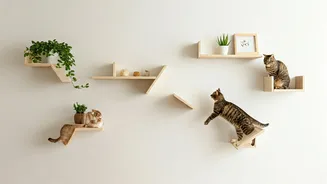
Before you start drilling, take some time to plan a layout that is both safe and engaging. Observe your cat's current habits. Do they love sunbathing? Plan a perch near a sunny window. [15] Are they a social butterfly? A layout in the living room allows them to feel part of the action from a safe distance. [20] Consider your cat's age and physical ability; kittens and athletic cats might enjoy a challenging, steep layout, while older or less mobile cats will need lower, more generously spaced steps. As a general rule, space shelves about 12 to 18 inches apart horizontally to ensure a comfortable and safe jump. [10] A staggered or zigzag pattern is often more engaging and intuitive for cats than a straight vertical ladder. [15]
Choosing the Right Materials
The safety of your cat playground starts with the materials. For the steps themselves, opt for solid wood planks or high-quality plywood at least an inch thick. [6] Avoid particle board, which can sag or break under a cat’s weight over time. The depth of the shelves is also important; they should be wide enough for your cat to comfortably land and turn around, typically at least 10-12 inches. [8] To prevent slipping, especially on painted or finished wood, cover the steps with a non-slip material. [10] Scraps of low-pile carpet, sisal rope fabric, or even cork can be glued or stapled securely to the surface, providing essential grip and an appealing texture for scratching. [6, 10]
Safe Installation is Non-Negotiable
Proper installation is the most critical step for ensuring your cat’s safety. The golden rule is to anchor the shelves into wall studs whenever possible. [14, 21, 22] Studs are the vertical wooden beams inside your walls that provide structural support. Use a stud finder to locate them and mark their positions before you begin. [15, 18] Use sturdy, L-shaped metal brackets that are rated to hold significantly more than your cat's weight. [6, 8] If your desired layout doesn't align perfectly with the studs, you must use heavy-duty drywall anchors, such as toggle bolts, designed to support heavy objects. [21, 24] Never rely on small plastic anchors or screwing directly into drywall, as this will not be secure enough. After installation, firmly test each step by hand to ensure there is no wobble or give before allowing your cat to explore.
Introducing Your Cat to Their New Playground
Some cats will take to their new vertical world immediately, while others may be more hesitant. Patience is key. [3, 5] Never force your cat onto the steps. Instead, let them discover the new furniture at their own pace. [5, 9] You can create positive associations by placing treats, a sprinkle of catnip, or their favorite toy on the lower steps to encourage exploration. [9, 11] Use familiar scents by rubbing a blanket they sleep on against the new shelves. [5, 16] Engaging in interactive play near the structure can also help build their confidence, making them see the playground as a fun and rewarding space. [9, 11] Once they start using it, they'll quickly appreciate the new perspective it offers.