



Understanding the New Rules
The Food Safety and Standards Authority of India (FSSAI) has implemented regulations to improve the nutritional quality of food served to children. The core of this guidance is the restriction on foods high in fat, salt, and sugar (HFSS) — such as chips,
sugary drinks, and many packaged snacks. These items are not to be sold in school canteens or within a 50-metre radius of the school campus. The aim is to combat rising concerns like childhood obesity and nutrient deficiencies by creating a healthier food environment. All school canteens, and even Mid-Day Meal (now PM POSHAN) operators, must hold an FSSAI license and adhere to strict hygiene and safety standards. Schools are encouraged to become 'Eat Right' campuses, promoting local, seasonal, and nutritious foods.
What to Expect from School Meals
For children receiving meals under the PM POSHAN scheme, the government has set clear nutritional targets. A meal for a primary school child should provide around 450 calories and 12 grams of protein, while an upper-primary child's meal should contain 700 calories and 20 grams of protein. These meals are expected to be a combination of cereals, pulses, and vegetables. The central government sets these nutritional benchmarks, but states have the flexibility to design menus based on local food habits and availability. This is why you see variations across the country, for instance, in whether eggs or other protein sources like milk or paneer are provided. Recent directives also encourage developing school nutrition gardens and including locally grown produce to enhance freshness and nutritional value.
Packing Smart: A Parent's Guide
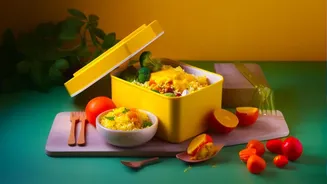
If you are packing a lunchbox from home, the goal is to provide a balanced meal that stays fresh and appetising for hours. A good model is to fill half the lunchbox with fruits and vegetables, a quarter with a healthy protein, and a quarter with whole grains. Think carrot sticks, cucumber slices, an apple, a hard-boiled egg, and a whole-wheat chapati or sandwich. To keep food safe, especially in India’s climate, use an insulated lunchbox. For cold items, using two cold sources, like a frozen gel pack and a frozen juice box, is recommended. For hot foods like dal or sabzi, pre-heating a thermos with boiling water before adding the food helps it stay warm until lunchtime. Involving children in packing their lunch can also encourage them to eat it.
Preserving Nutrients from Kitchen to Tiffin
The way you cook and pack food significantly impacts its nutritional content. Many vitamins, particularly water-soluble ones like Vitamin C and B vitamins, are lost during cooking. Steaming vegetables instead of boiling them helps retain more of these essential nutrients. When you do boil, using the leftover water for soups or dals can recapture some of the leached-out goodness. For packing, avoid cutting fruits and vegetables too far in advance, as exposure to air can degrade vitamins. A squeeze of lemon juice on sliced apples or bananas can prevent browning and add a bit of Vitamin C. Choosing sturdy foods that don't get soggy, like whole fruits, vegetable sticks with hummus, or paneer cubes, ensures the meal is still appealing hours later.
Beyond the Lunchbox: Building Healthy Habits
The new guidelines are not just about rules but about fostering a culture of healthy eating. Parents and schools play a joint role. At home, you can mirror the principles by limiting HFSS foods and talking about healthy choices. Pick lower-fat fillings for sandwiches, like lean meats or hummus, and swap processed fruit bars for actual dried fruit. Recent orders, such as one in Maharashtra, empower schools to appoint Health and Wellness Ambassadors and require them to hold regular awareness sessions on nutrition. As a parent, you can support these initiatives by monitoring your child's diet and participating in school meetings about food policy. This collaborative effort helps ensure children receive consistent messages about nutrition both at home and at school.