





The Science of Steam
When a cake, loaf of bread, or batch of cookies comes out of the oven, it is full of trapped heat and moisture in the form of steam. If you place a still-warm bake into a sealed container or bag, that steam has nowhere to go. It will cool, condense into water
droplets, and settle on the surface of your beautiful creation. The result? A sticky top, a soggy crust, and a disappointing texture. This is the most immediate and noticeable consequence of impatient storing. Allowing your bakes to cool on a wire rack gives this steam a chance to escape, ensuring the crust remains as intended, whether it's a crisp cookie edge or a firm cake surface.
The Texture Transformation
Cooling is not a passive process; it is the final stage of baking. As baked goods cool, a critical process called starch retrogradation occurs. During baking, starch molecules absorb water and swell up, a process known as gelatinization, which sets the crumb's initial soft structure. As the item cools, these starch molecules begin to realign and crystallize, which firms up the crumb and gives the product its final, stable texture. Slicing into a hot loaf of bread, for example, can result in a gummy, sticky interior because the starches haven't had time to set. Cooling allows sugars to crystallize, which is crucial for the snap of certain cookies, and lets fats solidify, contributing to a tender, not greasy, final product.
The Enemy of Freshness
Beyond texture, there is a food safety component to consider. Trapping warmth and moisture inside a container creates the perfect breeding ground for mold and bacteria. Storing a warm baked good significantly shortens its shelf life by creating a humid micro-environment where spoilage organisms thrive. Even if mold isn't immediately visible, this can lead to off-flavours and faster staling. Proper cooling and storage in an appropriate container—once completely cool—is your best defense against having to throw away your hard work after only a day or two.
Best Practices for Cakes and Breads
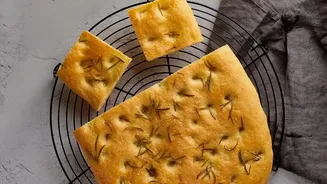
For most cakes and loaves of bread, the best practice is a two-step cooling process. First, let the bake cool in its pan on a wire rack for 10-15 minutes. This allows it to gain some structural integrity so it doesn't fall apart when you move it. After this initial period, carefully invert the pan to release the bake onto the wire rack to finish cooling completely. The wire rack is essential because it allows for 360-degree air circulation, preventing the bottom from becoming soggy. A large loaf or dense cake can take several hours to cool to the core, so be patient.
The Cookie Cooling Method
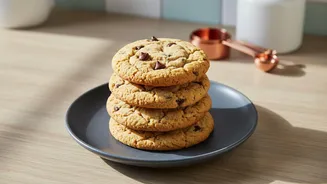
Cookies have their own set of rules. Most cookies are very delicate when they first come out of the oven. Allowing them to rest on the hot baking sheet for a few minutes (typically 1-2 minutes) lets them firm up just enough to be moved without breaking. From there, transfer them to a wire rack to cool completely. Leaving them on the hot pan for too long will cause the bottoms to continue cooking and potentially burn or over-bake. Using parchment paper can make this transfer process much easier—simply slide the entire sheet of parchment off the pan and onto the rack.
How to Tell When It's 'Fully' Cooled
The rule of thumb is to wait until the baked good is at room temperature. The most reliable way to check is by touch. If you feel any residual warmth, especially when touching the bottom or center of the bake, it needs more time. For larger items like a dense pound cake or a multi-layer cake, this could take two to four hours. Don't be tempted to speed up the process by putting a very hot cake directly into the refrigerator, as the drastic temperature change can cause condensation to form and can sometimes crack the cake. Gradual, patient cooling is always the best approach.