






Understanding Mumbai's Vulnerability
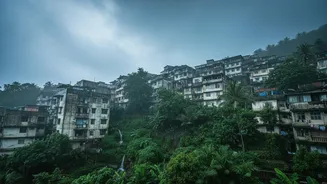
Mumbai's unique geography, a mix of coastal plains, hills, and reclaimed land, makes it susceptible to landslides, especially during the intense monsoon season. The Mumbai Climate Action Plan has identified hundreds of locations as landslide-prone, with
a high concentration of vulnerable spots near hilly areas like Ghatkopar, Kurla, Bhandup, and Malabar Hill. Years of construction, both formal and informal, on and at the base of these slopes have often compromised their natural stability. Heavy rainfall saturates the soil, increasing its weight and reducing friction, which can trigger a collapse. According to the National Disaster Management Authority (NDMA), activities like cutting into slopes for roads or buildings and blocked drainage systems further heighten the risk.
Key Warning Signs on Your Property
The earliest clues of ground instability often appear on your own property. Be watchful for new cracks appearing in plaster, brickwork, or foundations. Doors and windows that suddenly stick or fail to close properly can indicate that the ground underneath your home is shifting. Similarly, look for any tilting or cracking of concrete floors and foundations. Outside, check if ancillary structures like decks, patios, or verandas are tilting or moving away from the main house. A broken water line or other underground utility disruption can also be a sign that the ground is moving, even if it's not yet visible on the surface.
Inspect Nearby Slopes and Retaining Walls
Take a careful look at the slopes and retaining walls near your home. New or widening cracks in the ground, especially those running parallel to the top of the slope, are a significant danger sign. Look for any unusual bulges or swelling at the base of a slope. Trees, fences, or utility poles that are tilting are clear indicators that the soil is moving. A phenomenon known as 'J-shaped' trees, where the tree trunk curves at the base, points to slow, long-term soil creep. Retaining walls are built to hold soil back, so any new cracks, tilting, or bulging in these structures should be treated as a serious warning.
Follow the Flow of Water
Water is the primary trigger for most monsoon landslides, so its behaviour is a critical indicator. Be alert for new springs, seeps, or saturated patches of ground in areas that were not typically wet before. Pay close attention to drainage patterns around your home and neighborhood. A sudden increase or decrease in water flow in streams or channels is a major red flag. If the water in these channels changes from clear to muddy, it may mean that soil is eroding upstream and a debris flow could be imminent. Blocked storm drains can cause water to saturate the ground in unintended places, increasing landslide risk.
Listen for Unusual Sounds
Sometimes, the first warning of a landslide is not something you see, but something you hear. A faint rumbling or grinding sound that slowly gets louder can indicate moving debris. The sound of trees cracking or boulders knocking together is another sign of imminent danger. These noises suggest that the slope is actively failing, and you may only have seconds to react. Do not dismiss these sounds, especially during or immediately after a period of intense rainfall.
Your Immediate Action Plan
If you spot any of these warning signs, particularly a combination of them, you must act immediately. Your priority is to get to safety. Evacuate the area as quickly as possible, moving to higher ground and away from the potential path of the slide. Alert your neighbours to the danger so they can evacuate as well. Once you are safe, contact the BMC's disaster management cell or the local police or fire department to report what you have observed. The BMC regularly issues notices in high-risk zones, urging residents to move to safer, temporary shelters provided by the civic body, and heeding these warnings can be life-saving.