





A New Piece in the Monsoon Puzzle
The Indian monsoon has always been a complex system, traditionally understood as a gigantic sea breeze powered by the temperature difference between the subcontinent and the Indian Ocean. Every year, farmers, economists, and policymakers track its progress,
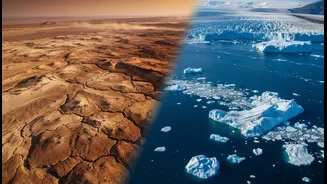
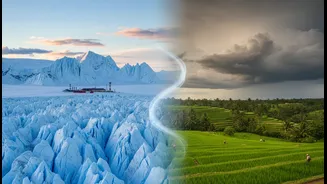
knowing that its performance underpins the nation's agricultural output and water security. The key drivers were thought to be relatively local: the heating of the Tibetan Plateau, sea surface temperatures in the Indian Ocean, and phenomena like El Niño. But a growing body of research, much of it led by Indian scientists, is revealing that what happens in the frigid, remote Arctic and Antarctic has a profound and increasingly significant impact on our life-giving rains. This connection, known as a 'teleconnection', is forcing a major rethink of how we predict and prepare for the monsoon in a warming world.
The Arctic's Long-Distance Influence
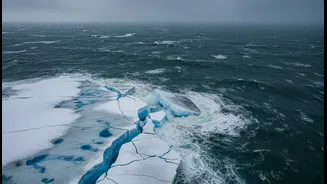
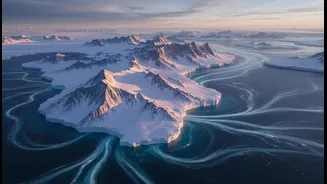
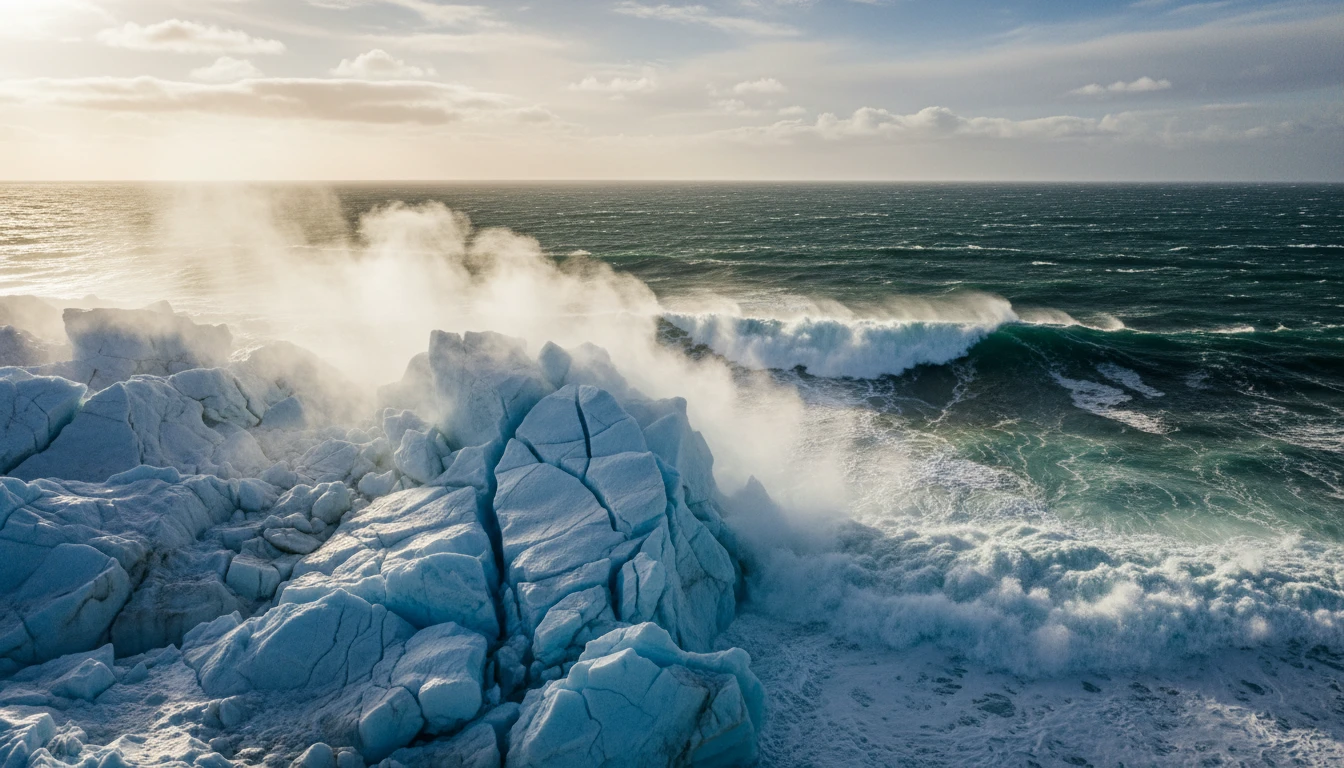
The Arctic is warming faster than any other region on Earth, and this is not just a distant problem. Research from institutions like the National Centre for Polar and Ocean Research (NCPOR) has established a direct link between melting Arctic sea ice and the behaviour of the Indian monsoon. One 2023 study found that over the last 1,000 years, warmer periods in the Arctic correlated with more intense monsoon rainfall over India. As human-driven warming accelerates, this link may become even more pronounced. Scientists have found that the extent of Arctic sea ice in the early summer months of June and July has a significant influence on the monsoon's later phase in August and September. Less sea ice in the Arctic is associated with stronger late-season rainfall, particularly over western and northwestern India, indicating a potential westward shift of the monsoon.
How Does It Actually Work?
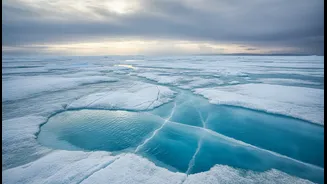
The mechanism connecting the poles to the tropics involves large-scale atmospheric circulation. When Arctic sea ice melts, it exposes the darker ocean underneath, which absorbs more solar heat. This excess heat doesn't stay put; it alters atmospheric pressure and temperature gradients thousands of miles away. These changes can influence powerful, high-altitude air currents called Rossby waves. Think of it like a ripple effect in the atmosphere; a change in one area can trigger a wave of adjustments globally. Specifically, less sea ice in different parts of the Arctic can produce varied results. Reduced ice in the central Arctic has been linked to more rain in central and northern India, while less ice in the Barents-Kara Sea region can affect the monsoon's onset and intensity by altering weather patterns over Eurasia.
The Antarctic Connection
The Arctic isn't the only polar region in this story. The southern pole is also exerting its influence, both in the deep past and the present. A recent study found that the initial formation of the Antarctic ice sheet 34 million years ago fundamentally reshaped global climate, shifting the planet's primary rain belt and intensifying monsoon rains over Northeast India. Today, the connection is just as relevant. Warming in Antarctica can trigger atmospheric wave trains that affect circulation patterns over the Indian Ocean, potentially reducing rainfall over mainland India. Research has also shown that the Indian monsoon can, in turn, influence Antarctica. Strong monsoon heating can cause atmospheric ripples that travel southward, leading to warming and sea ice changes around the southern continent. This two-way street highlights a deeply interconnected global climate system where no region is truly isolated.
A More Erratic and Unpredictable Future
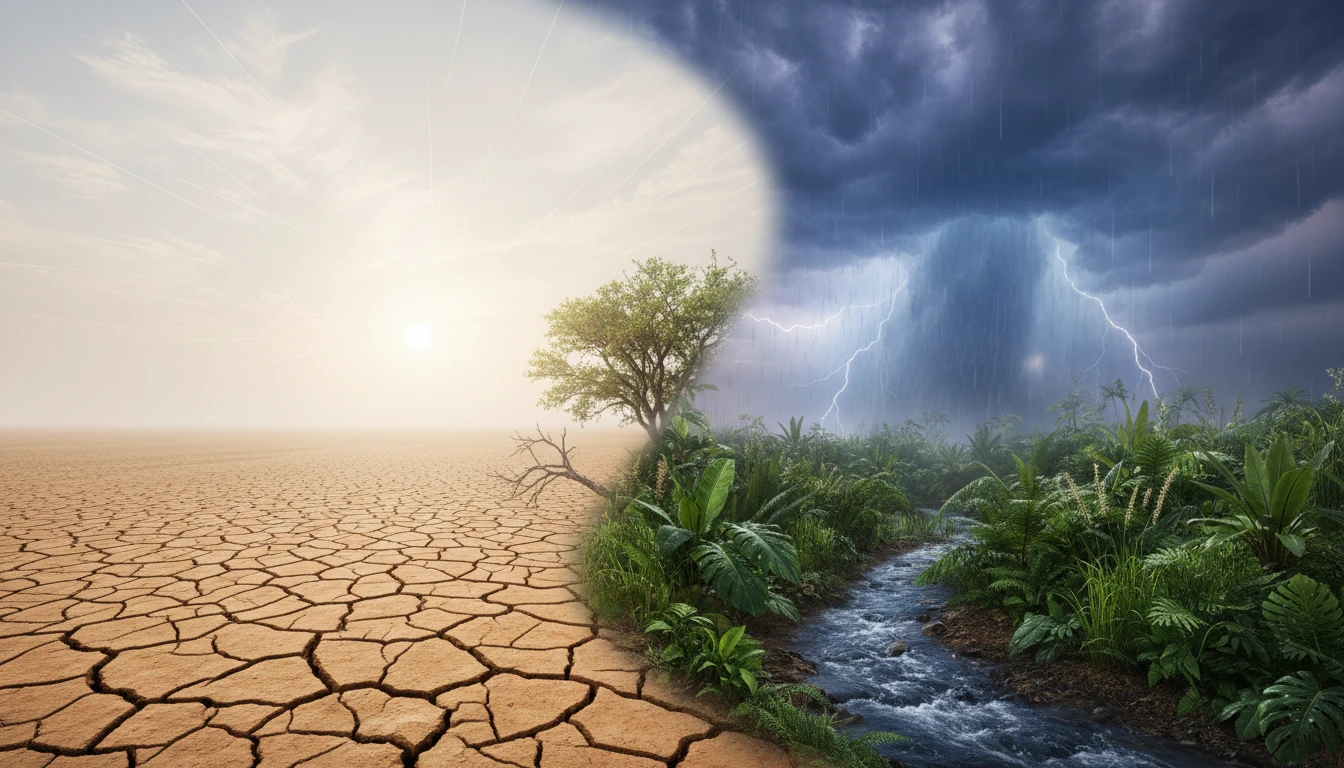
This new polar dimension makes the already difficult job of forecasting the monsoon even more complex. While factors like El Niño remain dominant drivers, the growing influence from the poles adds another layer of variability. The rapid changes in the Arctic mean that the historical patterns we've relied on may no longer be a reliable guide. The science suggests we may be heading towards a future of more intense and erratic rainfall. As the atmosphere warms, it can hold more moisture, leading to heavier downpours when it does rain. The polar connection amplifies this, contributing to the year-to-year variability that can result in devastating floods in one region and crippling droughts in another. Improving climate models to accurately represent these complex polar dynamics is now a critical priority for scientists and for India's ability to manage its water resources and agricultural planning.