




Spiti’s Geographic Secret Weapon
While much of Himachal Pradesh is drenched by monsoon rains from July to September, Spiti Valley remains remarkably dry. The reason is its unique location in a trans-Himalayan rain shadow. The towering Pir Panjal and Great Himalayan ranges act as a colossal
barrier, blocking most moisture-laden clouds from entering the valley. As a result, while destinations like Shimla and Manali face heavy downpours and landslide risks, Spiti experiences clear blue skies, strong sunshine, and minimal rainfall. This geographical advantage makes it one of India's few mountain destinations that is not only accessible but at its most inviting during the peak of the monsoon season.
A Paradise for Photographers
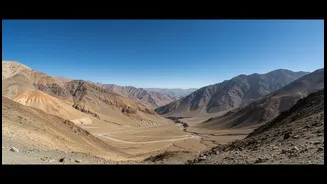
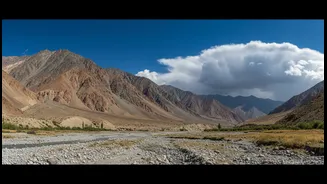
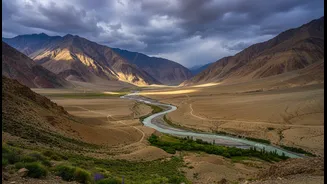
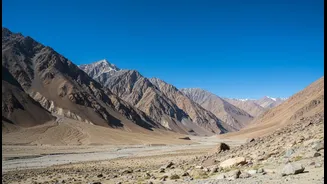
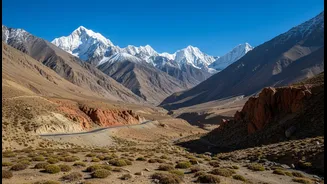
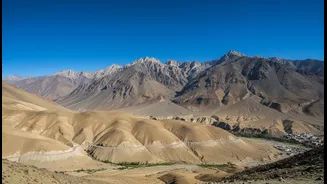
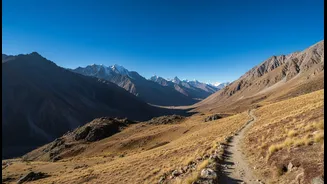
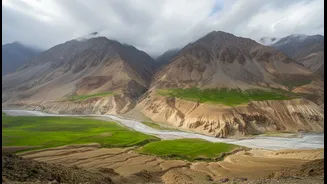
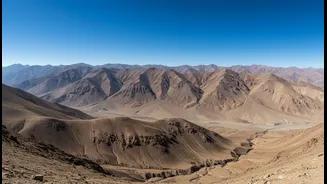
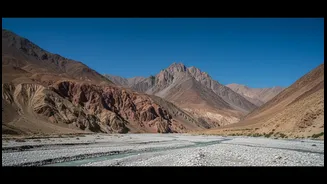
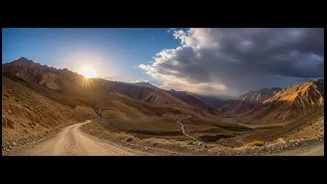
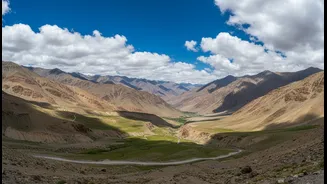
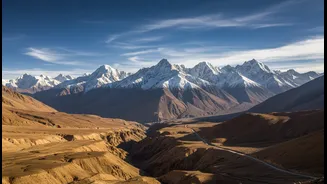
The dry weather and clear skies translate directly into a photographer's dream. The quality of light in Spiti during these months is famously crisp and harsh, creating dramatic shadows and highlighting the stark, lunar-like landscapes. With the monsoon washing the atmosphere clean in the surrounding regions, visibility within the valley is often exceptional. Photographers can capture the deep blues of the sky against the barren brown mountains, the vibrant green patches of irrigated fields, and the turquoise ribbon of the Spiti River. Furthermore, the lack of cloud cover makes for phenomenal astrophotography opportunities, with the Milky Way often visible to the naked eye from remote villages like Langza and Komic.
A Reality Check on 'Landslide-Free'
The claim of being 'landslide-free' needs a practical qualification. While Spiti Valley itself is incredibly safe from rain-induced landslides, getting there is the real challenge. There are two main routes: via Shimla and Kinnaur, or via Manali. The route from Shimla is longer but generally considered more reliable during the monsoon. However, even this road, particularly the stretch through Kinnaur (NH-5), is prone to rockfalls and blockages. The Manali-Kaza highway is shorter but riskier, involving crossing the high-altitude Kunzum Pass and a notoriously rough patch between Gramphu and Batal with several water crossings. Smart travellers know the secret is not that the entire journey is risk-free, but that the destination is worth the carefully planned transit. Always check the latest road status a few days before your trip and build buffer days into your itinerary.
More Than Just Landscapes
A photography expedition to Spiti is incomplete without capturing its profound cultural soul. The valley is dotted with ancient Buddhist monasteries, some perched precariously on cliffsides, like Key, Dhankar, and Tabo. The monsoon season often means fewer tourists, allowing for more intimate and peaceful visits to these spiritual centres. This provides a unique opportunity to document the serene monastic life, the intricate murals and manuscripts, and the resilient local communities. The people of Spiti, with their warm smiles and weather-beaten faces, are compelling subjects who add a rich human element to any photographic story. Engaging with the culture, from the world's highest post office in Hikkim to the fossil-rich grounds of Langza, enriches the journey beyond just capturing pretty pictures.
Planning Your Trip Today
With mid-July being a prime window, both the Shimla and Manali routes are typically open, though the former is the safer bet for first-timers or those in non-4x4 vehicles. By this time of year, snow has cleared from the high passes like Kunzum, and the camps at the stunning Chandratal lake are usually operational. However, 'open' doesn't always mean 'easy'. The Manali route, in particular, requires an early start to tackle water crossings before the afternoon sun melts the glaciers and swells the streams. For any Spiti trip, especially in monsoon, hiring an experienced local driver is highly recommended. They possess invaluable knowledge of the terrain, weather patterns, and current road conditions that no app or blog can replace. Proper acclimatisation is also crucial due to the high altitude.