

From Kitchen Scraps to Culinary Gold
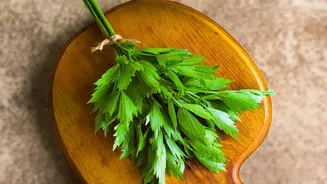
Embracing a zero-waste philosophy doesn't have to be complicated. It can be as simple as rethinking what we consider to be 'waste'. Coriander and mint stems, often discarded, are packed with intense flavour and aroma. In fact, the stems of soft herbs
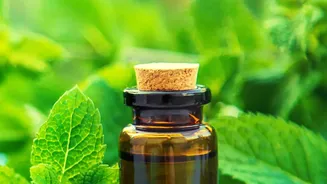
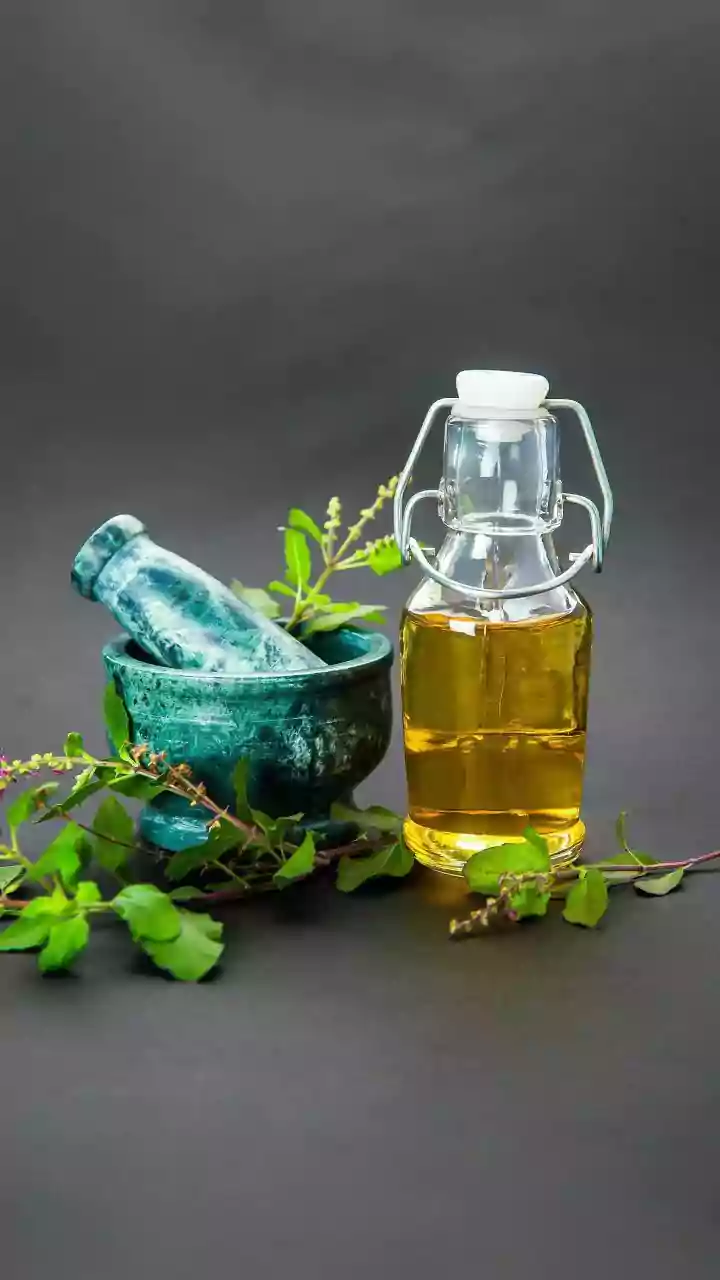
like coriander (dhaniya) and parsley are completely edible and carry a potent, fresh flavour, sometimes even more pronounced than the leaves. By infusing them into oil, you're not just saving them from the landfill; you are capturing their essence to create a versatile, high-impact ingredient. This simple act transforms a common kitchen scrap into a flavour-packed oil that can elevate everyday dishes, from simple dals to elaborate salads, all while taking a small step towards a more sustainable kitchen.
What You Will Need
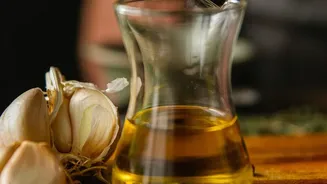
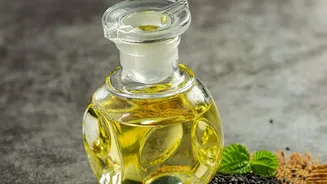
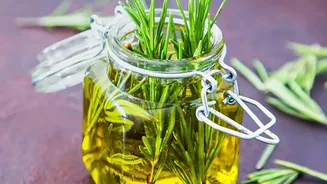
The beauty of this process lies in its simplicity. You don't need any special equipment, just a few basic kitchen staples. Gather your leftover coriander and mint stems—a good handful is a great start. Ensure they are fresh and not discoloured. You will also need a neutral-flavoured oil to serve as the base; sunflower, rapeseed (canola), or a light olive oil are excellent choices as they won't overpower the delicate herb flavours. Finally, you'll need a clean, dry glass jar or bottle with a tight-fitting lid for storing your finished oil. That's it. This short list is all that stands between you and a delicious, homemade aromatic oil.
The Infusion Method: A Simple How-To
First, preparation is key. Wash the coriander and mint stems thoroughly. The next step is critical for both safety and quality: the stems must be completely dry. Any moisture left on the herbs can promote bacterial growth in the oil. Pat them dry with a clean cloth and then let them air-dry for a few hours to ensure all water has evaporated. Once dry, lightly crush the stems with the back of a knife or a rolling pin to help release their essential oils. For a quick infusion, gently heat your chosen oil in a small pan over a low flame until it is warm, but not hot or sizzling. Turn off the heat, add the crushed stems to the warm oil, and let it steep until the oil has cooled completely. This method quickly coaxes the flavour out. Afterwards, strain the oil through a fine-mesh sieve into your sterilised jar, discarding the stems.
A Crucial Note on Safety and Storage
When making infused oils at home with fresh ingredients, food safety is paramount. The low-acid, oxygen-free environment of oil can be a breeding ground for bacteria, including Clostridium botulinum, which can cause botulism. Thoroughly drying your herbs is the first line of defence. To ensure safety, homemade oils infused with fresh herbs must be stored in the refrigerator and should be used within a few days to a week. For a longer shelf life, you must use completely dried herbs or acidify the fresh herbs, a more complex process. For this simple stem-infused oil, stick to refrigeration and short-term use. Always trust your senses; if the oil looks cloudy, smells off, or shows any signs of mould, discard it immediately.
A Drizzle of Inspiration
Now for the fun part: using your aromatic creation. This fragrant oil is not typically for high-heat cooking, but rather as a 'finishing oil' to add a final burst of flavour. Drizzle it over a bowl of hot dal or rasam just before serving. Use it as the base for a vibrant salad dressing, whisking it with lemon juice and a pinch of salt. Toss it with steamed vegetables, roasted potatoes, or grilled paneer. You can even use it to add a fresh, herby note to yoghurt-based dips and raitas. A swirl of this oil over a simple soup or a piece of grilled chicken can transform the dish, adding a layer of fresh, bright flavour that tastes anything but zero-waste.