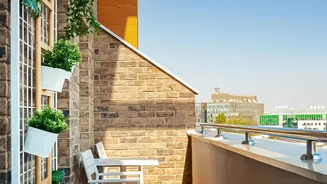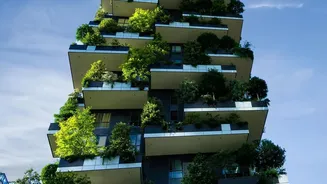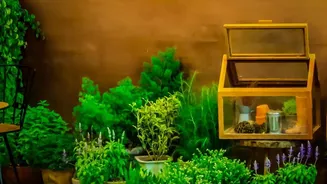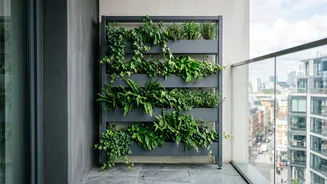




In crowded Indian cities, a balcony is a precious slice of the outdoors. But with limited floor space, how do you satisfy a desire for greenery? The answer is to look up. A vertical garden transforms a bare wall into a living, breathing feature.
Why Go Vertical?
The most
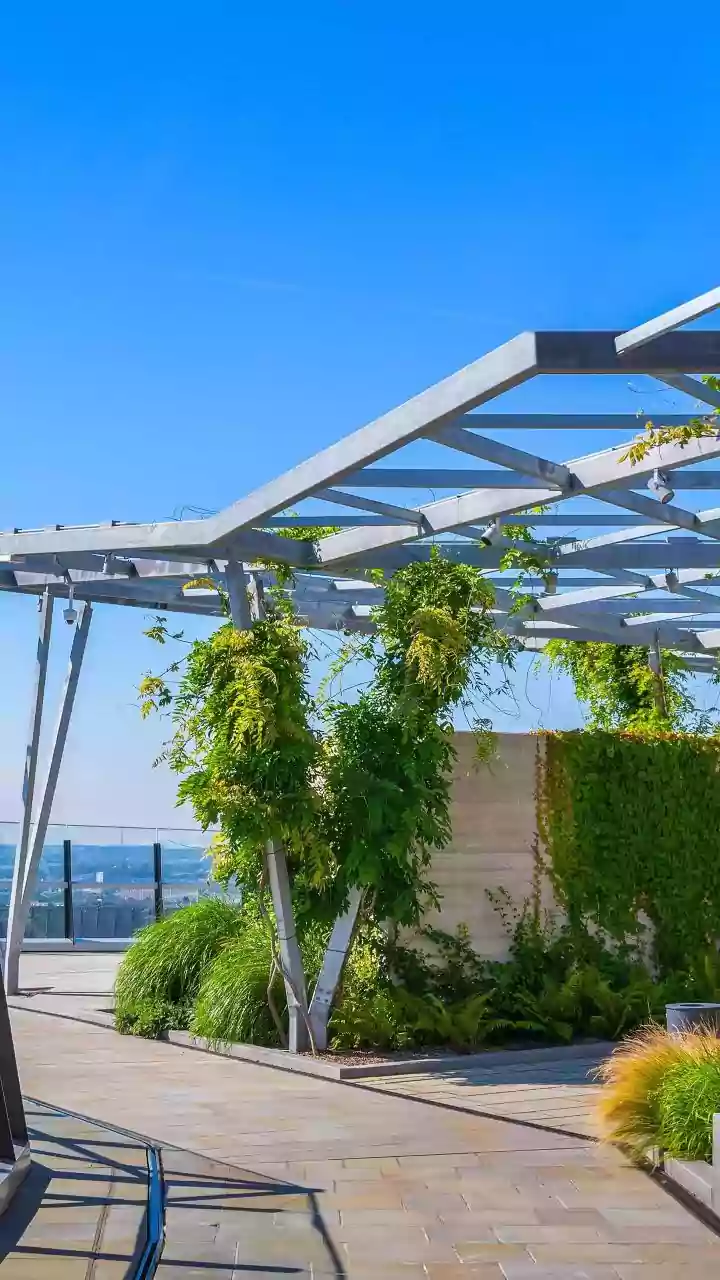
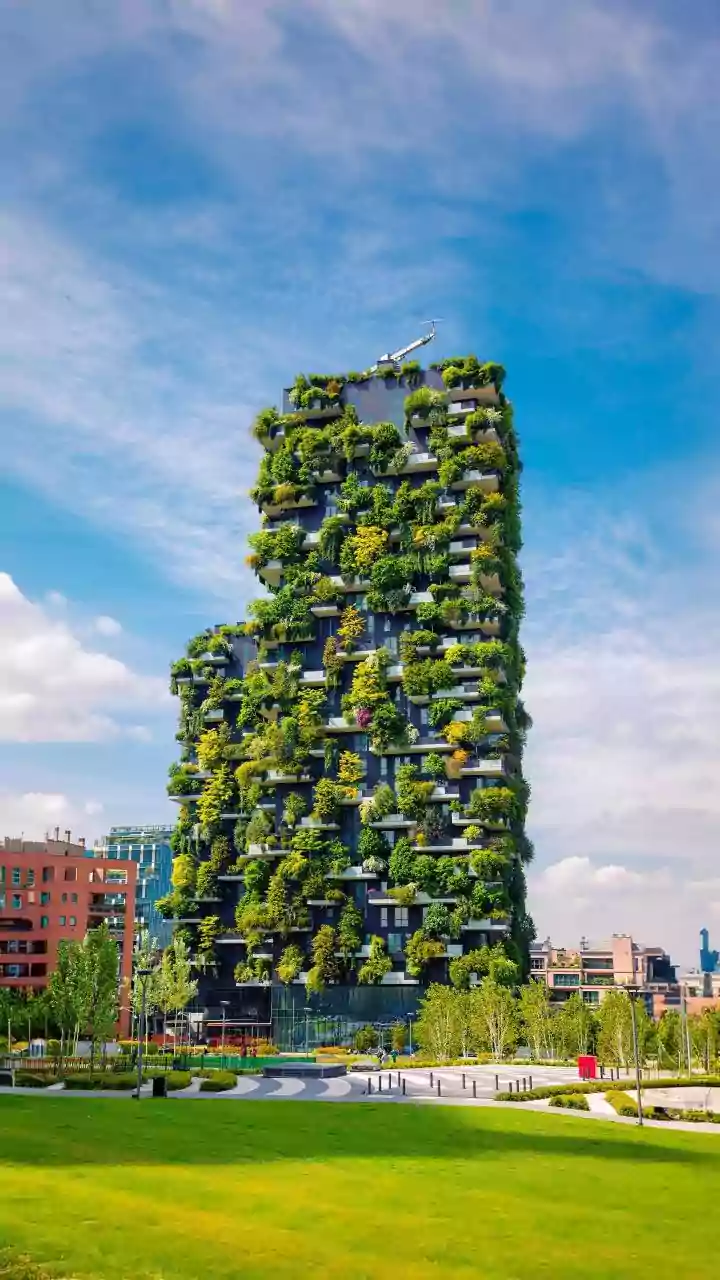
obvious benefit of a vertical garden is its incredible space efficiency. By growing upwards, you can cultivate dozens of plants in an area that would typically hold only a few pots. This is a game-changer for small apartment balconies. Beyond just saving space, these living walls act as natural air purifiers, absorbing carbon dioxide and improving the air quality around your home — a welcome advantage in urban environments. They also enhance aesthetics, turning a plain concrete wall into a vibrant, textured piece of living art that can even help reduce indoor temperatures by absorbing sunlight. A well-placed vertical garden can also provide a beautiful privacy screen, shielding your balcony from public view.
Choosing Your System
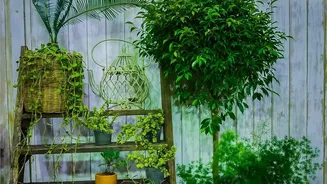
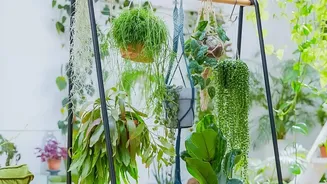
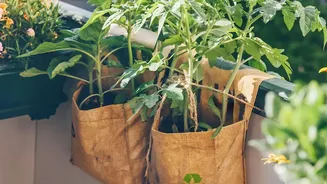
There are several ways to create a vertical garden, suiting different budgets and DIY skills. The simplest method is often a trellis or climbing net attached to a wall or railing, allowing vining plants to grow upwards from a large pot at the base. For a more structured look, fabric pocket planters are a popular choice. These are panels with multiple pouches that can be mounted directly onto a wall, ideal for herbs and leafy greens. Modular systems consist of interlocking panels with individual pots that allow for easy customisation and plant replacement. For a budget-friendly and creative approach, you can repurpose materials like wooden pallets, PVC pipes with holes drilled in them, or even old shoe organisers. If you're renting and can't drill into walls, freestanding options like tiered plant stands or leaning ladder shelves offer a great alternative.
The Right Plants for Indian Balconies
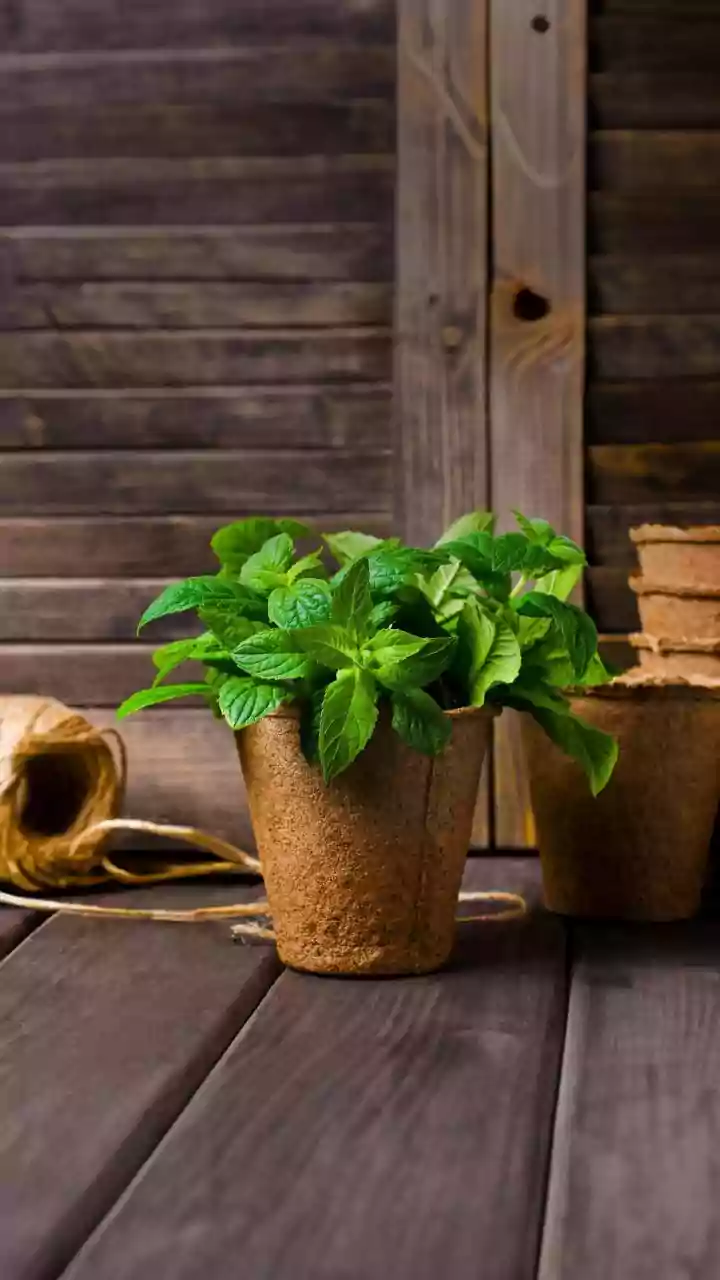
Choosing the right plants is critical and depends entirely on how much sun your balcony wall receives. For hot, sun-drenched, south or west-facing walls, you need heat-tolerant heroes. Portulaca, dwarf bougainvillea, vinca (sadabahar), and succulents are excellent choices as they thrive in direct sun. For balconies that get moderate morning sun, herbs like tulsi, mint, coriander, and chillies do very well. You can also grow flowering plants like marigolds. For shadier, north-facing walls that receive only indirect light, focus on foliage. Money plant (pothos), spider plant, philodendrons, and various ferns will create a lush, green look without needing direct sun. It's wise to group plants with similar light and water needs together.
Installation and Potting
Before you begin, it's essential to protect your building's wall from moisture. If you're mounting a system directly, fix a waterproof backing like a sheet of marine plywood or plastic first. Ensure any frame or hooks are securely fastened and can handle the total weight of the system, soil, and water. The soil itself needs to be lightweight. Heavy garden soil can become waterlogged and strain the structure. A mix of coco peat, compost, and perlite is ideal as it retains moisture while staying light and airy. When filling your planters, leave a little space at the top. Arrange your plants according to their needs — sun-lovers at the top, shade-tolerant ones at the bottom, and trailing plants where they have space to cascade.
Care and Maintenance
Vertical gardens can dry out faster than traditional pots, especially in windy, high-rise apartments. The planters at the top tend to dry out quickest. Check the moisture level by touching the soil every day or two. Water slowly from the top, allowing it to percolate down through the system, or water each pocket individually. For larger installations, a drip irrigation system can be a worthwhile investment. Feed your plants with a balanced liquid fertiliser every few weeks during the growing season to replenish nutrients. Finally, regular pruning is important. Trimming overgrown plants and removing any dead leaves not only keeps the garden looking neat but also improves air circulation and allows light to reach all the plants, preventing pests and disease.