
The Rain Shadow Myth vs. Reality
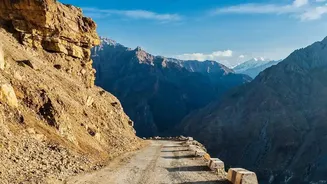
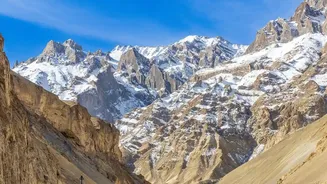
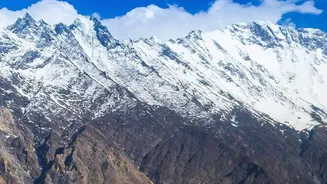
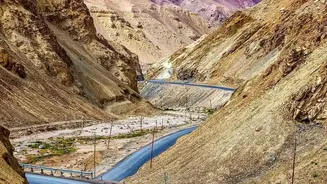
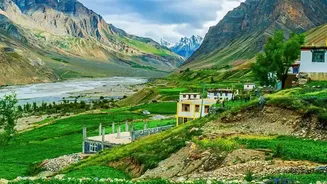
Spiti Valley is famously in a rain-shadow area, meaning it gets significantly less rainfall than other Himalayan regions. While this is true for the core valley around Kaza and Tabo, the approach roads are a different story. The routes from both Shimla
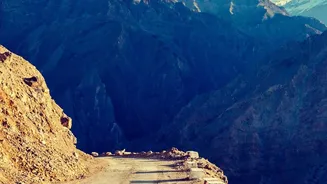
and Manali pass through areas that receive the full force of the Indian monsoon. This distinction is critical: the valley being dry doesn't mean the journey is. Landslides, shooting stones, and overflowing water crossings are common hazards on the access roads, particularly in August. Recent climate changes have also led to occasional drizzles and overcast days even within Spiti, a rarity in the past.
Official Status and Route Selection
As of early August 2026, authorities advise extreme caution. While no blanket ban is in effect, travelers must stay updated on real-time conditions. The Shimla-Kaza route via Kinnaur is generally considered the safer, more reliable option during monsoon. It allows for gradual acclimatization and has better road infrastructure, though it is not immune to landslides, especially on the stretch between Wangtu and Sumdo. The Manali-Kaza highway, involving the high-altitude Kunzum Pass, is far more unpredictable. This route features numerous water crossings (nallas) and rough patches that become treacherous after rainfall. Officials often recommend entering via Shimla, and only attempting to exit via Manali if the Kunzum Pass route is confirmed clear on the day of travel. Always check with the Lahaul-Spiti Police or district administration portals for the latest traffic advisories before starting.
Key Monsoon Driving Hazards
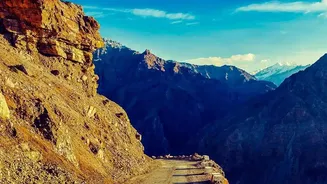
Driving to Spiti in monsoon is a test of skill and alertness. The biggest threats include landslides and shooting stones, which can block roads for hours or even days. The stretch near Malling Nallah is particularly notorious. Water crossings or 'nallas' are another major challenge. These streams, fed by rain and melting snow, can swell to dangerous levels, especially in the afternoon. Roads can turn into slushy tracks, making traction difficult and increasing the risk of getting stuck, particularly for vehicles with low ground clearance. It is highly recommended to start your day's journey early to cross potential trouble spots when water levels are lower.
Vehicle and Personal Preparedness
Your vehicle must be in excellent condition. A 4x4 or an SUV with high ground clearance is strongly recommended over a sedan or hatchback. Get your vehicle thoroughly serviced, paying close attention to brakes, tires, and engine. Carrying a basic toolkit, a puncture repair kit, and knowing how to use them is essential. Given the rough terrain, carrying spare windshield wipers is also a wise precaution. For personal safety, pack waterproof outer layers and footwear. A comprehensive first-aid kit, including medication for altitude sickness, is non-negotiable. Due to limited connectivity, download offline maps and carry power banks for your devices.
Essential On-The-Road Safety Practices
The golden rule for monsoon driving in the Himalayas is to 'leave early, drive slow'. Avoid driving after dark at all costs. Maintain a safe distance from the vehicle ahead and be especially vigilant in areas marked with shooting stone warnings. Before attempting a water crossing, it's wise to stop and assess the depth and current. If possible, watch another vehicle cross first. When planning your itinerary, build in at least two to three buffer days to account for unexpected delays from roadblocks or landslides. This flexibility can be the difference between a stressful trip and a successful adventure. Lastly, ensure you have enough cash and fuel, as ATMs and petrol pumps are scarce after leaving major towns like Reckong Peo or Manali.