



Find a Unifying Colour Story
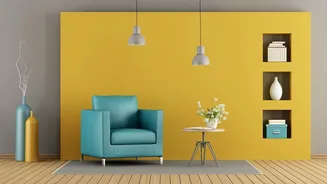
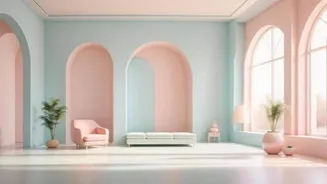
Colour is the most powerful tool for tying a room together. A consistent colour palette acts as an invisible thread that connects different styles, eras, and materials. You don't need to match everything perfectly. Instead, choose a core palette of two
to three colours and repeat them throughout the space. For instance, if your new sofa is a bold blue, echo that blue in smaller doses through cushions on an old chair, a vase on a bookshelf, or within a piece of artwork. A neutral backdrop on the walls, like shades of white, grey, or beige, provides a versatile foundation that allows your furniture pieces to coexist peacefully without competing for attention.
Create Harmony with Materials and Texture
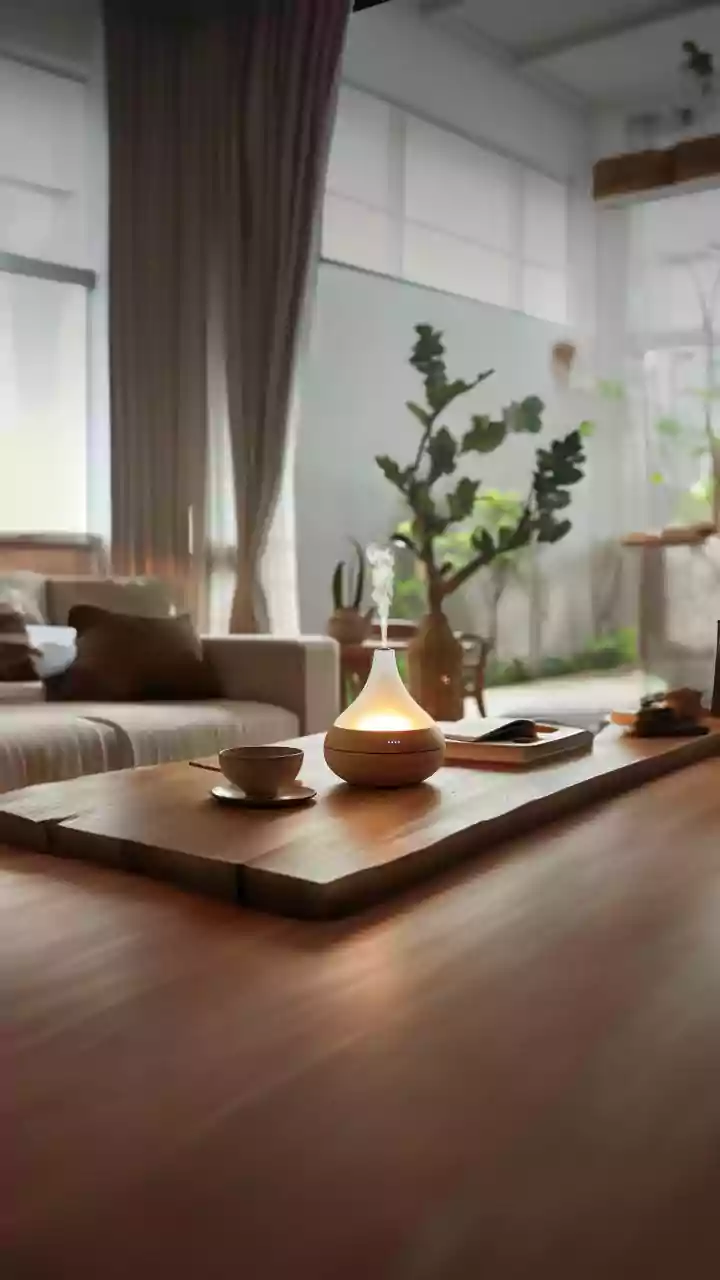
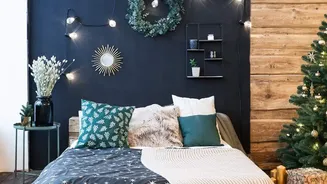
Beyond colour, the materials and textures in your room play a crucial role in creating a unified feel. The goal is to create a pleasing dialogue between different finishes. If you have a rustic, distressed wooden coffee table, pairing it with a sleek, modern metal lamp can create a beautiful contrast. The key is repetition. If you introduce a new brass or gold element, make sure it appears in at least two or three spots in the room—perhaps in a lamp, a picture frame, and the legs of a side table. This creates a sense of intention. Layering various textures, such as mixing soft fabrics like velvet or wool with hard surfaces like wood, metal, or leather, adds depth and makes the space feel more inviting and thoughtfully curated.
Balance Scale and Visual Weight
When mixing furniture, pay close attention to scale and proportion. A large, bulky new sofa might overwhelm a delicate, antique side table, making the room feel unbalanced. Strive for a thoughtful distribution of 'visual weight'. If you have a heavy wooden bookshelf on one side of the room, balance it with something of similar perceived weight on the other side, like a substantial armchair or a console table with a large piece of art above it. This doesn’t mean everything has to be the same size, but rather that the overall composition should feel symmetrical and harmonious. Spreading pieces of different sizes and styles evenly prevents any one corner from feeling too cluttered or too sparse.
Tell a Cohesive Style Story
Even an eclectic room should have a narrative. One effective strategy is the 80/20 rule. Let about 80% of your room adhere to one primary style—this could be the modern, traditional, or minimalist look defined by your largest pieces like the sofa or bed. The remaining 20% can be accent pieces from a different style. For example, a largely traditional room can feel fresh and current with the addition of a modern arc lamp or some abstract art. This approach ensures your space feels intentionally curated rather than chaotic. Identify the dominant style you already have and choose new items that either complement it or offer a deliberate, stylish contrast.
Use 'Bridge' Pieces to Connect Everything
Some decor items are exceptionally good at bridging the gap between different styles. Area rugs, artwork, and curtains are your secret weapons. A large rug can anchor a seating area, and its colours and patterns can successfully unite a vintage chair and a contemporary sofa placed upon it. Similarly, a gallery wall featuring a mix of modern prints and old photographs in consistent frames can tie the room's story together. These transitional elements act as a neutral ground, softening the lines between different eras and aesthetics and making the entire room feel like a single, cohesive design.