








How Pollution Harms Your Skin
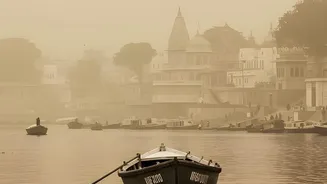
Every day, your skin acts as a barrier against environmental threats. But the high concentration of pollutants in Delhi's air, particularly tiny particulate matter (PM2.5), ozone, and nitrogen dioxide, can overwhelm its defences. These particles are often
smaller than the size of a pore, allowing them to penetrate the skin's layers. This infiltration generates free radicals — unstable molecules that cause oxidative stress, a process that breaks down collagen, damages skin cells, and weakens the skin's protective barrier. The result is a host of problems, including premature aging, dullness, inflammation, and increased sensitivity.
Your Daily Defensive Skincare Routine
A consistent routine is your best defence against environmental damage. It isn't about complicated steps but strategic protection. First, thorough cleansing is non-negotiable. Pollutants accumulate on your skin throughout the day, so a double cleanse at night is highly effective. Start with an oil-based cleanser to dissolve makeup, sunscreen, and oil-soluble grime, then follow with a gentle, water-based cleanser to wash away any remaining residue without stripping the skin's natural oils. Second, incorporate antioxidants. Serums containing antioxidants like Vitamin C are crucial. They work to neutralise the free radicals generated by pollution before they can cause cellular damage, effectively acting as a second layer of defence under your moisturiser. Third, strengthen your barrier. A compromised skin barrier loses moisture and becomes more susceptible to irritants. Look for moisturisers with ingredients like ceramides, hyaluronic acid, and peptides that help repair and reinforce this protective layer. Finally, never skip sunscreen. UV radiation magnifies the damaging effects of pollution. A broad-spectrum sunscreen with an SPF of 30 or higher is essential every single day, even when it's cloudy.
Lifestyle Tweaks for Better Protection
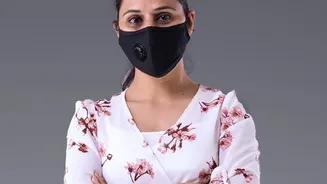
Beyond skincare, simple lifestyle adjustments can make a significant difference. Your diet plays a role; consuming foods rich in antioxidants, like berries, leafy greens, and citrus fruits, can help your body fight oxidative stress from the inside out. Staying hydrated by drinking plenty of water is also key to maintaining your skin's health and resilience. On days with particularly high pollution levels, try to limit your time outdoors. If you must be outside, consider wearing protective clothing or even a simple face covering to reduce direct contact with airborne pollutants. Indoors, air quality can also be a concern. Using an air purifier with a HEPA filter can help remove particulate matter from your home environment, giving your skin a cleaner space to recover. Remember to change clothes after being outside for extended periods to avoid transferring pollutants onto your furniture and bedding.
When Persistent Problems Need Expert Care
While a good routine can manage daily exposure, some skin issues require a dermatologist's expertise. Self-treating a persistent problem can sometimes make it worse. It's time to book an appointment if you notice any of the following signs: - Acne That Won't Go Away: If you're experiencing stubborn or painful breakouts that don't respond to over-the-counter treatments, a dermatologist can offer more effective solutions. - Rashes or Itching: A persistent rash, hives, or severe itching that lasts for several weeks could be a sign of an allergic reaction or a chronic condition like eczema, which can be exacerbated by pollution. - Changes in Moles or New Growths: Any mole that changes in size, shape, or colour, or a new skin growth that looks unusual or doesn't heal, should be examined promptly to rule out serious conditions. - Worsening of Existing Conditions: If you have a pre-existing condition like psoriasis, rosacea, or eczema and notice it's flaring up more frequently or severely, a doctor can help adjust your treatment plan to account for environmental triggers. - Sudden Hyperpigmentation: The sudden appearance of dark spots or patches can also be a result of pollution-induced inflammation, and a specialist can recommend treatments to manage it.