








The Monsoon's Treacherous Allure
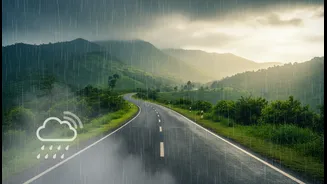
The allure of trekking through misty mountains and verdant valleys during the monsoon is undeniable. However, this season is also the most dangerous time for adventure travel in regions like Uttarakhand and Himachal Pradesh. The India Meteorological Department
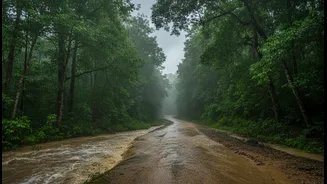
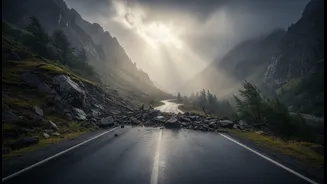
(IMD) has issued multiple warnings for the current period, forecasting heavy to extremely heavy rainfall. This intense rain saturates the soil, leading to a high risk of landslides, flash floods, and mudslides that can block roads and trekking paths without warning. Authorities have repeatedly urged travellers to be cautious, with some pilgrimage routes like the Amarnath Yatra even being suspended to ensure safety. The very systems that bring the life-giving rains can create life-threatening situations in a matter of minutes.
Why Last-Minute Checks Are Crucial
In the mountains, weather is notoriously fickle. A forecast that looked clear a week ago is practically useless on the day of your trek. Conditions can change dramatically in hours. A sunny morning can quickly give way to a torrential downpour, turning gentle streams into raging, impassable torrents. Recent alerts from the IMD for Uttarakhand and Himachal Pradesh highlight a multi-day risk, with weather severity escalating progressively. This means a journey started in good weather can easily run into dangerous conditions midway. Authorities in districts like Uttarkashi have even restricted night travel for tourists to minimize risks. Relying on outdated information is a gamble. The only reliable forecast is the one issued right before your departure.
Your Pre-Departure Weather Checklist
Before you even lace up your boots, make checking official sources your top priority. The IMD's website is the primary source for weather bulletins. Look for district-level warnings, which are more specific than state-wide forecasts. Pay close attention to the colour-coded alerts: a Yellow alert advises you to be aware, an Orange alert means be prepared for disruptive weather, and a Red alert is a warning to take action and protect yourself from extremely bad conditions. These alerts specifically mention the likelihood of landslides and flash floods. Several mobile apps, including the government's official 'FloodWatch India' app, can also provide real-time updates and forecasts for up to seven days.
Decoding River and Water Body Warnings
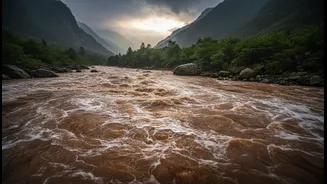
Weather is only half the story; river levels are the other critical factor. Heavy rainfall, even miles upstream, can cause a sudden, violent surge in water levels downstream. This is the essence of a flash flood. Authorities like the State Disaster Management Authority (SDMA) often issue advisories for people to stay away from riverbanks. Do not attempt to cross streams or rivers if the water is fast-moving or above your ankles; it only takes six inches of swift water to knock you off your feet. The Central Water Commission (CWC) monitors river levels, and their data is often included in official bulletins and apps. Never camp in a dry riverbed or too close to a stream, as water levels can rise dramatically overnight while you sleep.
Harnessing On-The-Ground Intelligence
While official forecasts are essential, they can't replace local knowledge. Your guide, hotelier, and local tour operators are invaluable sources of up-to-the-minute information. They live with the region's weather patterns and understand the nuances that a broad forecast might miss. They will know which paths are slippery, which streams are prone to swelling, and which areas have recently experienced rockfalls. Listen to their advice. If a guide suggests postponing or altering a route due to safety concerns, heed their warning. Their primary goal is your safety. This local intelligence, combined with official data, provides the most comprehensive picture of the risks involved.