





The Concrete Sponge Effect
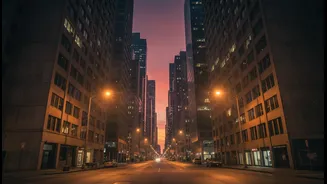
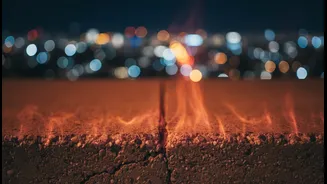
Our cities are built with materials like concrete and asphalt, which act like giant sponges for heat. Throughout the day, these dense surfaces absorb and store huge amounts of solar radiation. This phenomenon is a primary driver of the 'urban heat island'
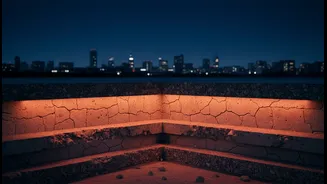
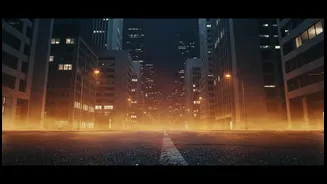
effect, where cities can be significantly warmer than the surrounding countryside. While we feel this heat during the day, the real danger begins after sunset. Instead of cooling down quickly like natural landscapes, these materials slowly release the stored thermal energy back into the air all night long.
The Post-Midnight Danger Zone
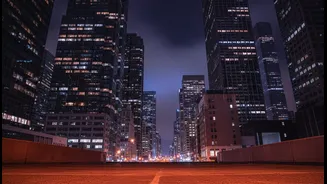
The period after midnight is when this process becomes particularly hazardous. While you might expect temperatures to drop to their lowest point in the wee hours, in dense urban areas, the continuous release of heat from pavements and buildings keeps the air uncomfortably and dangerously warm. This sustained nighttime heat prevents our bodies from cooling down and recovering from the heat stress of the day. Research shows that for the body to achieve deep, restorative sleep, its core temperature needs to drop. When your bedroom remains warm due to the heat radiating from the city itself, this crucial cooling process is disrupted, leading to poor sleep, fatigue, and increased strain on the cardiovascular system.
A Global Urban Problem
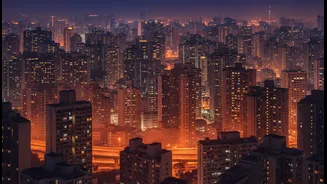
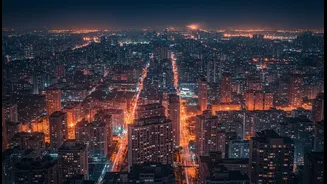
This isn't an issue confined to one or two cities. Modern climate research, analysing data from urban centres across the globe, confirms this is a widespread pattern. From heatwave-prone cities in North America like Phoenix to rapidly expanding metropolitan areas in China and India, the story is the same: concrete jungles are becoming nighttime heat traps. Studies have found that nighttime temperatures in a city can be up to 12°C higher than in nearby rural areas. This persistent elevation in temperature, confirmed across multiple urban environments, highlights a systemic risk of modern city design.
The Silent Health Crisis
The consequences of this non-stop heat are serious and create a silent health crisis. The inability to cool down at night puts immense stress on the human body, particularly for the most vulnerable: the elderly, young children, and individuals with pre-existing conditions like heart disease, diabetes, or respiratory ailments. Heat exposure can worsen these conditions and lead to heat exhaustion, heatstroke, and even death. Furthermore, higher temperatures can intensify air pollution by accelerating the formation of ground-level ozone, a harmful pollutant that aggravates asthma and other respiratory problems. This combination of extreme heat and poor air quality creates a compounded health threat for millions of city dwellers.
Paving a Cooler Path Forward
The good news is that we can redesign our cities to be cooler. Urban planners and scientists are exploring a range of solutions. Strategies include planting more trees and creating green spaces, which provide shade and cooling through evapotranspiration. Another key approach involves 'cool pavements' and 'cool roofs'—using materials with lighter colours or higher reflectivity to bounce sunlight back instead of absorbing it. Innovative technologies are also emerging, such as permeable concrete that allows water to evaporate and cool the surface, and even 'photonic' concrete designed to radiate heat away more efficiently. These interventions aim to break the cycle of heat absorption and retention, making our cities more liveable and resilient.