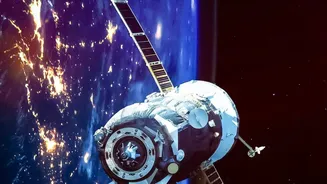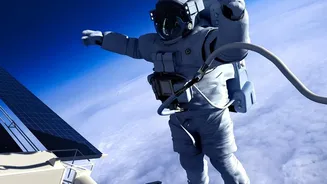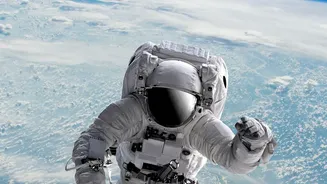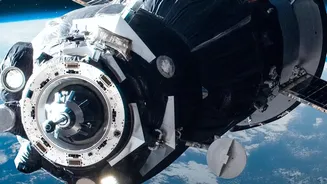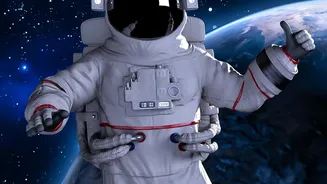


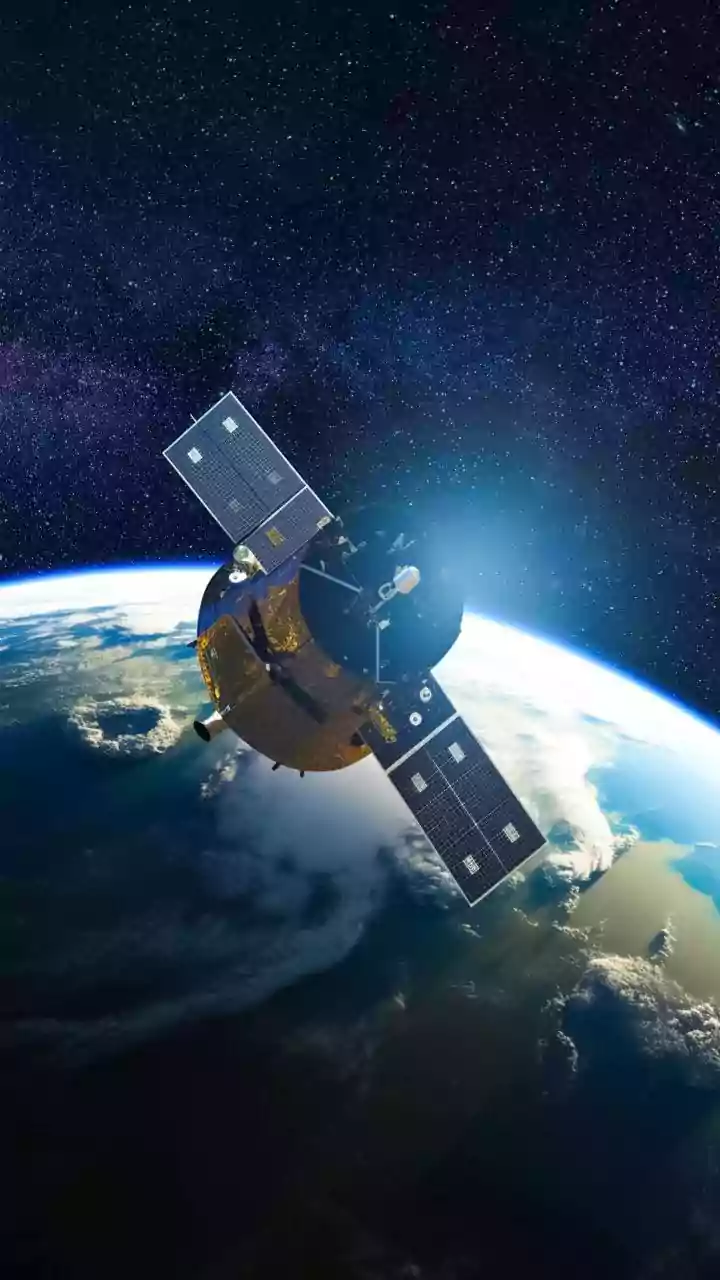
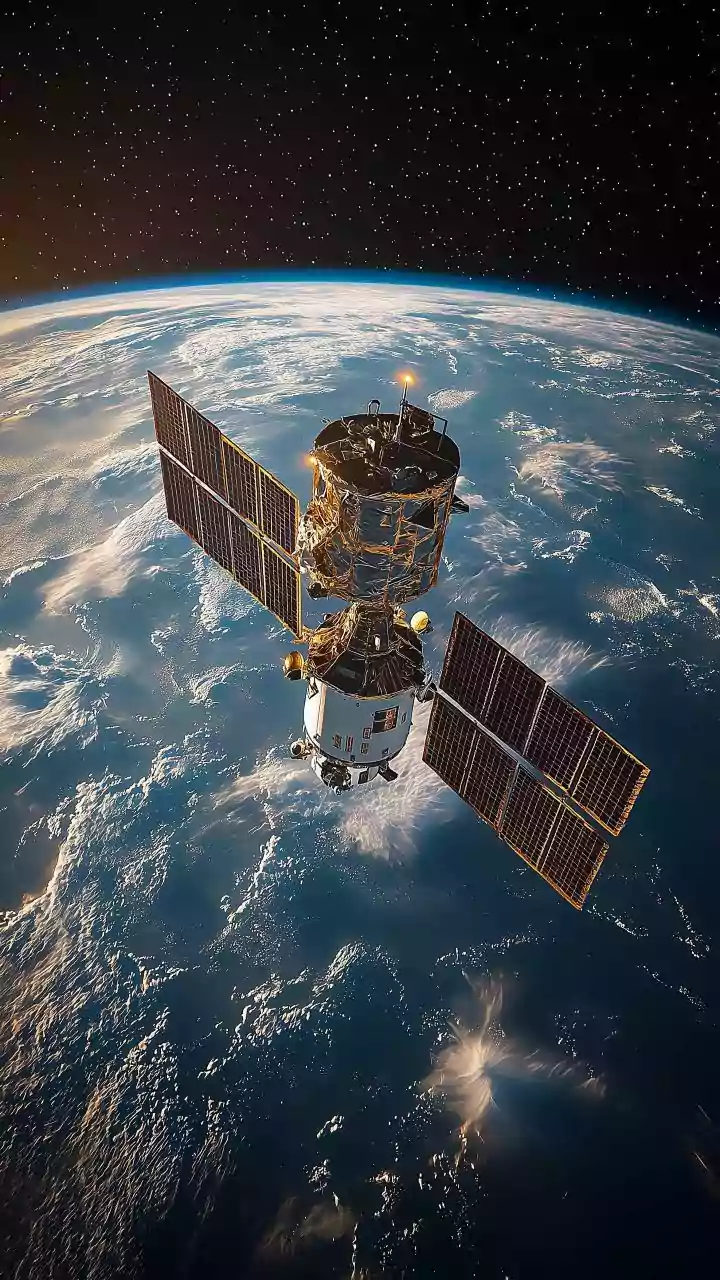
It’s one of the most iconic images of the modern age: an astronaut floating weightlessly inside a spacecraft. It looks like a place where gravity has simply been switched off. But the truth is far more interesting and dynamic than that.
The Gravity Misconception
First, let's clear
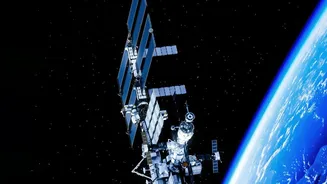
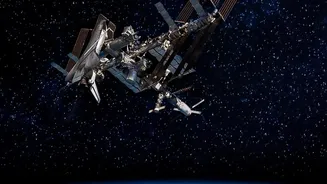
up the biggest myth about space travel: there is plenty of gravity in low Earth orbit. The International Space Station (ISS) orbits at an altitude of about 250 miles (roughly 400 kilometers). At that height, Earth's gravitational pull is still about 90% as strong as it is on the surface. An object that weighs 100 pounds on the ground would still weigh about 90 pounds on the station if you could place it on a scale. So, if gravity is still very much present, why isn't everyone pinned to the floor of the cabin? The answer has nothing to do with escaping gravity and everything to do with continuously falling toward it.
It’s Not Floating, It’s Falling
The correct term for what astronauts experience is not 'zero gravity' but 'microgravity', which is caused by a state of perpetual freefall. Imagine you're in an elevator and the cable snaps. For the few terrifying seconds before the emergency brakes kick in, you, the elevator car, and a set of keys you might drop would all fall at the same rate. Relative to the elevator car around you, you would be floating. You wouldn't feel the floor pushing up on your feet, which is what our bodies interpret as weight. This is exactly what is happening on the ISS. The station, the astronauts, and everything inside are all constantly falling together toward Earth under the influence of its gravity.
A Continuous State of Missing the Ground
So if the ISS is always falling, why doesn't it crash into the planet? This is the genius of an orbit. In addition to falling downward, the station is also moving sideways at an incredible speed—about 17,500 miles per hour (or 7.7 kilometers per second). At that velocity, as the station falls, the Earth's curved surface falls away beneath it at the exact same rate. Isaac Newton first imagined this with a thought experiment about a cannon on a mountaintop. Fire a cannonball, and it travels some distance before gravity pulls it to the ground. Fire it much faster, and it travels further. But if you could fire it with enough horizontal speed, it would fall 'around' the Earth indefinitely, always being pulled down by gravity but never getting any closer to the surface. This is precisely what an orbit is: a state of continuous freefall where your sideways motion is so fast you perpetually miss the ground.
The Sensation of Weightlessness
The feeling of weight is a contact force. You feel your weight now because the ground or your chair is pushing back up on you, resisting gravity's pull. In freefall, there is no upward force. Since the astronaut and their spacecraft are falling together, there is nothing to push back on them, and they experience the sensation of weightlessness. You can feel a tiny version of this on Earth. That brief 'stomach-in-your-throat' lurch you feel at the top of a roller coaster drop is a moment of near-weightlessness, as you and the coaster car are briefly in freefall. Astronauts in orbit are simply living in that moment continuously. The term 'microgravity' is used by scientists because tiny forces, such as atmospheric drag or the movement of the crew, mean the environment isn't a perfect zero-force state, but rather one with extremely small accelerations.