





The Real Meaning of Micro-Mobility at Work
When you hear "micro-mobility," you might picture electric scooters or shared bikes zipping through a city. In the context of workplace wellness, however, it refers to something much smaller and more accessible: tiny, subtle movements you can do right
at your desk. Think of it as the opposite of staying in one static position for hours. These are small, intentional physical actions like shifting your weight, rolling your shoulders, stretching your wrists, or simply standing up for a moment. The principle is that the human body is designed for movement, not for remaining still for prolonged periods. These small actions help to counteract the negative effects of a sedentary work life by keeping muscles and joints active, improving circulation, and reducing strain.
The Problem with Staying Still
The transition to remote work has meant that for many, incidental movement has all but disappeared. The walk to a meeting room, the trip to the office printer, or even the commute itself provided natural breaks in sitting. At home, it’s easy to go from your bed to a desk chair and stay there for the majority of the day. This prolonged sitting, often in makeshift workspaces like a sofa or dining table, is a primary cause of musculoskeletal discomfort in the neck, back, and shoulders. Holding a poor posture, such as hunching over a laptop, puts significant strain on your spine and supporting muscles, which can lead to chronic pain, stiffness, and tension headaches. Beyond physical pain, a sedentary state can also drain your energy and make it harder to concentrate, impacting overall productivity.
Simple Movements for Your Workspace
Integrating micro-mobility into your day doesn't require special equipment or a lot of time. Many effective movements can be done without even leaving your chair. To relieve neck and shoulder tension, gently tilt your head from side to side, holding each stretch, and roll your shoulders backwards and forwards. For your spine, try a seated twist by gently rotating your torso to look over your shoulder, using the chair for support. To combat the effects of typing, extend your arms and gently flex your wrists up and down. Even your lower body can get involved. Try seated leg raises by extending one leg at a time straight out in front of you, or simply march your feet quietly in place. These small actions, repeated throughout the day, help release muscle tension and improve blood flow.
Incorporate Intentional Movement Breaks
One of the most effective strategies is to take frequent, short breaks. Experts often suggest standing up or stretching every 30 to 60 minutes. You can set a simple timer on your phone or computer as a reminder. When you stand, you don't have to do a full workout. Simply stretching your arms overhead, walking to the kitchen for a glass of water, or standing while you take a phone call can make a significant difference. Another popular technique is the 20-20-20 rule, designed to reduce eye strain: every 20 minutes, look at something 20 feet away for 20 seconds. This not only helps your eyes but also encourages you to shift your posture. These breaks interrupt the cycle of mental fatigue, helping to reset your brain and sharpen your focus when you return to your task.
Rethink Your Environment to Encourage Movement
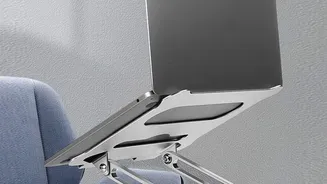
Your home office setup can either encourage or discourage movement. While not everyone has space for a standing desk, you can make small ergonomic adjustments. Try using a stack of books to raise your laptop screen to eye level to prevent hunching. An external keyboard and mouse can also help you maintain a more neutral arm and wrist position. If you don't have an ergonomic chair, a rolled-up towel or small pillow placed behind your lower back can provide crucial lumbar support. Keep frequently used items just out of arm's reach to encourage you to stand up or stretch to get them. By designing your workspace with movement in mind, these healthy habits become a natural part of your daily routine.