




A High-Speed Junkyard Above
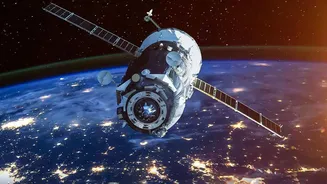
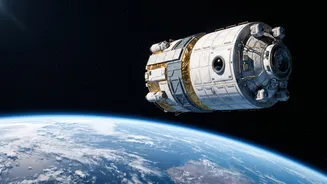
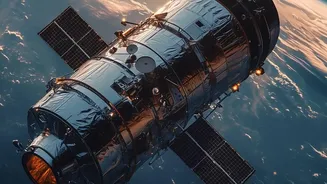
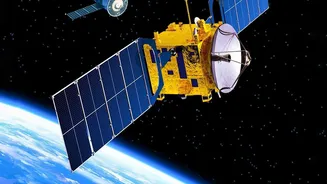
Imagine a minefield where every mine is moving at 28,000 kilometres per hour. That’s the reality of Earth’s orbit today. More than 11,000 active satellites are currently circling the planet, but they share their space with an alarming amount of trash.
Experts estimate there are over 1.2 million pieces of space debris larger than one centimetre, from defunct satellites and spent rocket stages to tiny fragments from past collisions. At orbital velocities, even a paint chip can strike with enough force to cripple a vital spacecraft, while larger pieces can cause a satellite to shatter, creating thousands of new pieces of debris and triggering a cascade of destruction.
ISRO's Proactive Shield
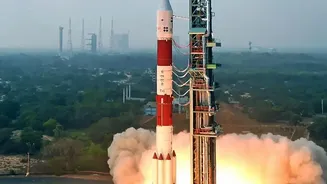
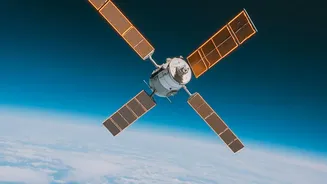
Manually dodging this space junk is a constant, stressful task. Indian Space Research Organisation (ISRO) engineers have had to perform an increasing number of Collision Avoidance Manoeuvres (CAMs) over the years, firing a satellite's thrusters to nudge it out of harm's way. In 2025 alone, ISRO executed a record number of these manoeuvres to safeguard its assets. This is where new technology comes in. To combat this threat, India is developing sophisticated systems that combine artificial intelligence with advanced propulsion. Projects like ISRO's NETRA (Network for Space Object Tracking and Analysis) and initiatives by private startups like Digantara are at the forefront of this effort. These systems are designed to automate the entire process, creating a proactive shield for India's space fleet.
How an AI Pilot Works
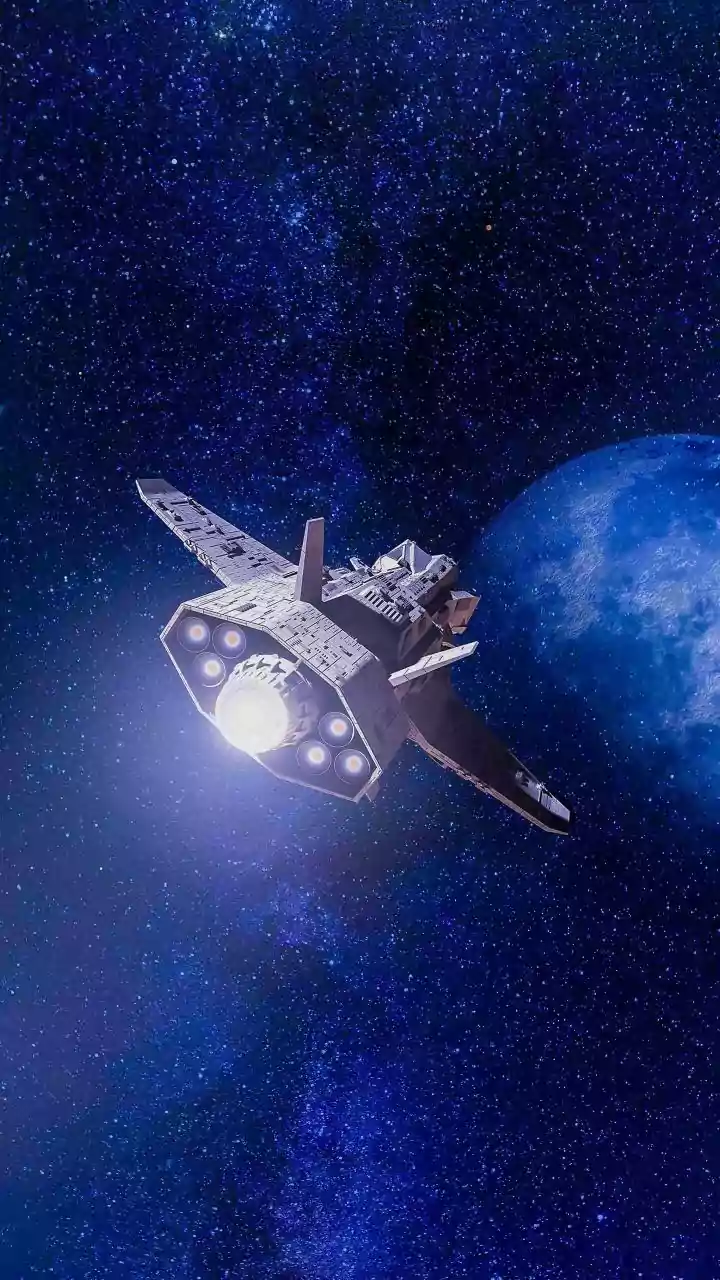
Instead of waiting for ground control to sound the alarm, these new systems place an AI pilot directly on the satellite. The AI continuously processes data from ground-based radars and space-based sensors to track surrounding objects. Using powerful machine-learning models, it can predict the trajectory of debris and calculate the probability of a collision days in advance. When the risk exceeds a safe threshold, the AI doesn't just send a warning; it takes action. It autonomously calculates the most efficient dodge manoeuvre, determining the precise timing and duration for a thruster burn. This automated response is not only faster and more precise than human intervention but also conserves precious onboard fuel, which directly extends the operational life of a satellite.
Securing India's Future in Space
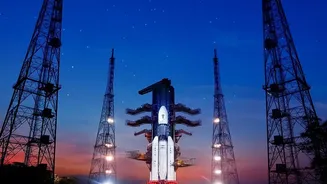
This capability is more than just a defensive measure; it’s a critical enabler for India’s ambitious space goals. As India expands its NavIC navigation constellation and supports a growing number of commercial and strategic satellites, the ability to operate safely in crowded orbits is paramount. Autonomous collision avoidance makes it feasible to manage large satellite constellations more effectively. For ISRO, it means a reduced operational burden and enhanced security for billion-dollar national assets like the NISAR Earth-observation satellite, which has already had to perform avoidance manoeuvres. It also positions India as a responsible space power, committed to the long-term sustainability of the orbital environment.