






The New Currency: Time Off
In today’s demanding work culture, paid annual leave has become a scarce and valuable resource. For many young Indians, particularly Millennials and Gen Z, time off is the new currency for a well-lived life. They have watched older generations prioritize
financial stability, often at the cost of personal time, and are consciously choosing a different path. This mindset shift reframes vacation days from a simple employee benefit into a strategic asset. The goal is no longer just to escape work but to actively invest in experiences, combat burnout, and build a life rich with memories. This generation prioritizes travel and personal growth, viewing them not as frivolous expenses but as necessities for well-being and identity.
The 'Leave Audit' and Strategic Planning
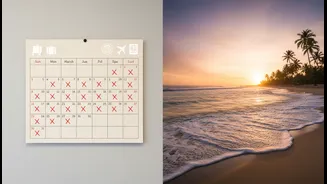
This new approach begins with what could be called a 'leave audit'. Young professionals are meticulously mapping out their entire year's calendar, accounting for every single day of paid leave, public holidays, and long weekends. The objective is to strategically bunch days together to create multiple travel opportunities without depleting their leave balance in one go. Techniques like adding a vacation day before or after a public holiday to create a nine-day trip using only four days of leave are common. This level of planning allows for a mix of domestic and international travel, balancing convenience with exploration. It’s a deliberate, calculated method to make every single day off count.
The End of the Annual Holiday
The traditional, single, long annual vacation is becoming a relic of the past for this demographic. Recent reports show a strong preference for shorter, more frequent trips. A 2026 Airbnb report highlighted that seven in ten Gen Z travellers in India would rather take three short trips than one long holiday. These 'micro-cations' or weekend getaways are seen as more manageable and effective in preventing burnout throughout the year. This trend is also driven by a desire for flexibility and spontaneity. While the overall leave strategy is planned, many trips are booked just weeks or even days in advance, serving as a reflexive response to stress or a free weekend.
Experiences Over Everything
This meticulous planning of time is ultimately in service of one thing: experiences. For young travellers, the 'why' and 'how' of travel are often more important than the 'where'. Journeys are increasingly planned around concerts, music festivals, or specific activities like exploring nature and local culture, rather than just ticking off famous landmarks. According to recent surveys, three in four young Indian travellers say who they travel with matters more than the destination itself, with friends being the preferred companions. This focus on connection and personal meaning means that even the choice of accommodation—with a preference for shared homes over separate hotel rooms—becomes a central part of the travel experience.
The Downside of Hyper-Optimisation
However, treating leisure time like a budget to be optimised isn't without its drawbacks. The pressure to make every trip perfect and Instagram-worthy can create a new kind of stress. When every day off is strategically deployed, the space for true, unplanned spontaneity can shrink. There's a risk that the mindset of optimisation, so prevalent in our professional lives, bleeds into our personal time, turning rest into another project to be managed. This raises an important question: can a vacation truly be a break if it’s managed with the same rigour as a work project? The challenge lies in finding a balance between thoughtful planning and the freedom to simply do nothing at all.