




Why Cats Naturally Crave Greens
You might have noticed your cat trying to nibble on houseplants or outdoor grass. This isn't just a quirky habit; it's an instinct. As obligate carnivores, cats primarily need meat, but their wild ancestors often consumed plants to aid digestion. This behaviour
may help them clear their system of indigestible matter like fur from grooming, which can form hairballs. Offering a safe, dedicated patch of greens like wheatgrass can satisfy this craving and steer them away from potentially toxic houseplants.
The Digestive Benefits of Wheatgrass
While the headline mentions a 'cure', it's more accurate to say wheatgrass provides significant support for digestive wellness. The primary benefit comes from its high fibre content. This fibre aids in promoting regular bowel movements and can help prevent issues like constipation. For cats prone to hairballs, the fibre in wheatgrass can help them pass the ingested fur more easily through their digestive tract. Sometimes, cats eat grass to induce vomiting, which helps them clear their stomachs of things that are causing irritation. By providing a clean, organic source, you ensure they aren’t ingesting harmful pesticides from outdoor lawns.
A Superfood for Your Feline
Beyond digestion, wheatgrass serves as a nutritional supplement. It is packed with essential nutrients that might not be abundant in all commercial cat foods. Wheatgrass is a source of vitamins A, C, and E, as well as minerals and antioxidants. Vitamin A is crucial for good vision, while the other nutrients support a healthy immune system and skin. It also contains chlorophyll, which has detoxifying properties and can help support liver function. Because it's a low-calorie snack, it's also a great treat for cats on a weight management plan.
How to Grow Your Own Organic Patch
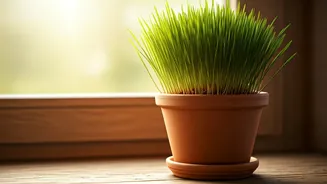
Creating your own indoor wheatgrass patch is simple and cost-effective. All you need are organic wheat seeds (often called hard winter wheat or wheatberries), a shallow container with drainage holes, and some organic potting soil. First, soak the seeds in water for about 8-12 hours. Fill your container with an inch or two of moist soil. Spread the soaked seeds in a single, even layer over the soil and press them down gently. Place the container in a spot with bright, indirect light—a windowsill is often perfect. Water daily with a spray bottle to keep the soil moist but not waterlogged. In about a week to 10 days, you'll have a lush patch of grass ready for your cat to enjoy.
Safety First and What to Watch For
Wheatgrass is safe for most cats, and since it is harvested before the grain forms, it is gluten-free. However, it should be offered in moderation. Overconsumption can sometimes lead to digestive upset, including vomiting or diarrhoea, because cats lack the enzymes to break down large amounts of plant matter. If you have a cat that tends to overdo it, you might want to limit their access to the patch. Also, while it's generally safe, it's always wise to watch for any signs of an allergic reaction, such as excessive drooling or rashes, though this is rare. If your cat is eating grass obsessively, it could be a sign of an underlying health issue, and a chat with your vet is recommended.